





EVENT
【2/26 Seminar】WPI-Bio2Q Open Seminar: Carys Williams, Ph.D.
February 25, 2026
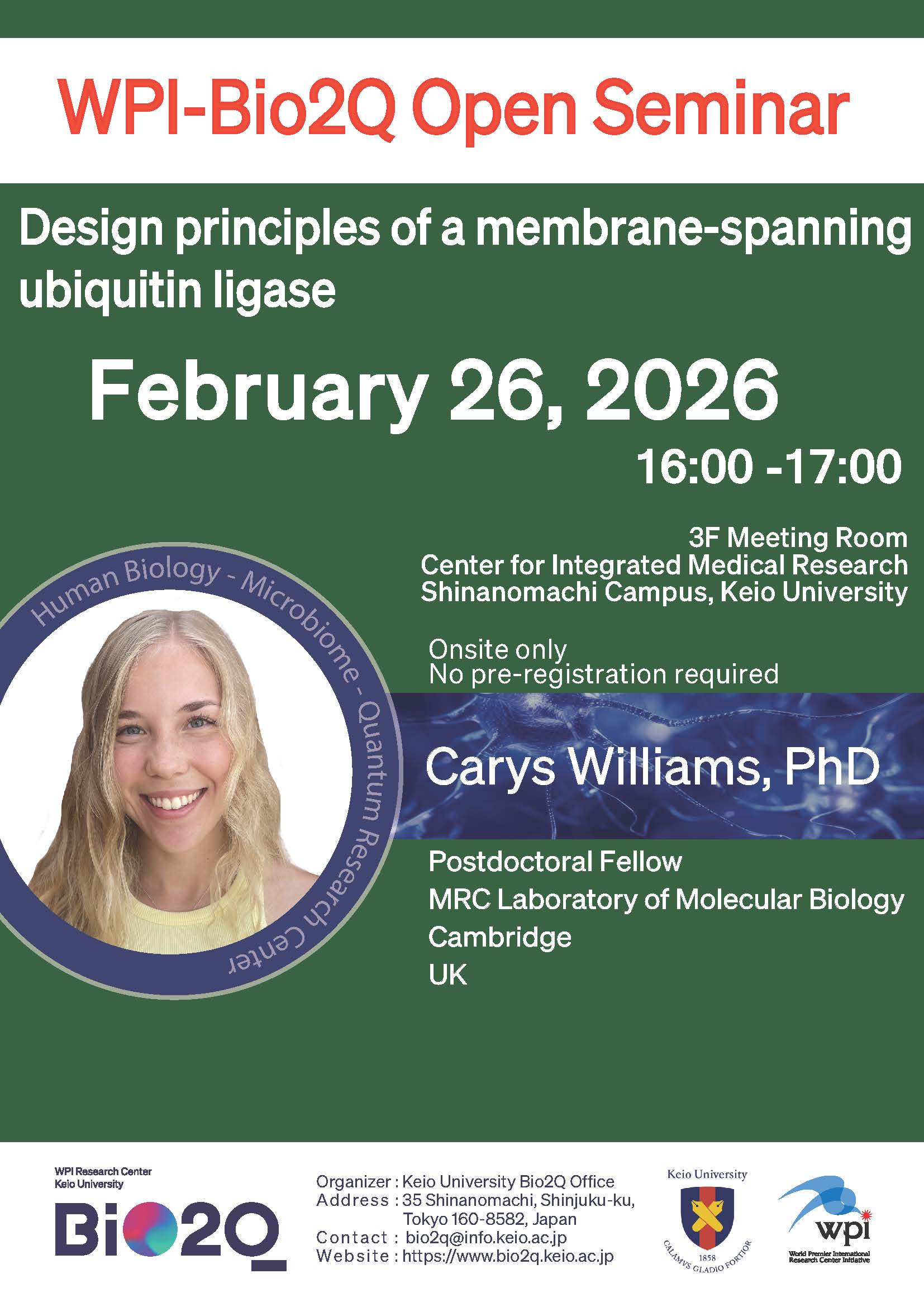
Poster
Credits: WPI-Bio2Q
Keio University Human Biology-Microbiome-Quantum Research Center (WPI-Bio2Q) will hold a seminar as follows.
This is an event for faculty, students, and staff of Keio University.
| Date & Time | 16:00 -17:00, February 26, 2026 |
|---|---|
| Venue | 3F Meeting Room, Center for Integrated Medical Research, Shinanomachi Campus, Keio University |
| Title | “Design principles of a membrane-spanning ubiquitin ligase” |
| Speaker | Carys Williams, Ph.D. Postdoctoral Fellow at MRC Laboratory of Molecular Biology Cambridge, UK |
| Language | English |
| Poster | JPEG |
| Onsite | No pre-registration required |
Ubiquitination regulates protein stability, interactions, and localisation in eukaryotic cells. With over 600 E3 ligases determining ubiquitination specificity, they are central to targeted protein degradation strategies in drug development. Membrane-spanning E3 ligases that target receptors are particularly intriguing because they enable extracellular signals to modulate ubiquitination in the cytoplasm, influencing development, metabolism, and immunity. Despite the critical roles of membrane-spanning E3s across development and physiology, no structural information is available for these E3 ligases in their membrane-embedded form.
Recent advances in cryogenic electron microscopy (cryo-EM) allow membrane proteins to be visualised at near-atomic resolution in near-native environments, overcoming challenges of instability and conformational heterogeneity. Using cryo-EM together with biophysical and functional studies, we determined the structure of an E3 ligase complex composed of two transmembrane proteins, MEGF8 and MOSMO, and the intracellular RING-family protein MGRN1. This MEGF8-MOSMO-MGRN1 (MMM) complex attenuates Hedgehog signalling by ubiquitinating Smoothened (SMO), a G-protein coupled receptor that transduces morphogen signals. A long helix in the MMM complex engages SMO and extends into the cytoplasm, positioning an activated RING domain precisely beneath the plasma membrane. This architecture enables ubiquitination of SMO’s cytoplasmic surface, reducing SMO abundance at primary cilia and fine-tuning signalling during development. Our findings reveal fundamental principles of receptor-type E3 ligase assembly and explain how MEGF8 mutations lead to complex multi-organ birth defects in humans.
SHARE




More Bio2Q News
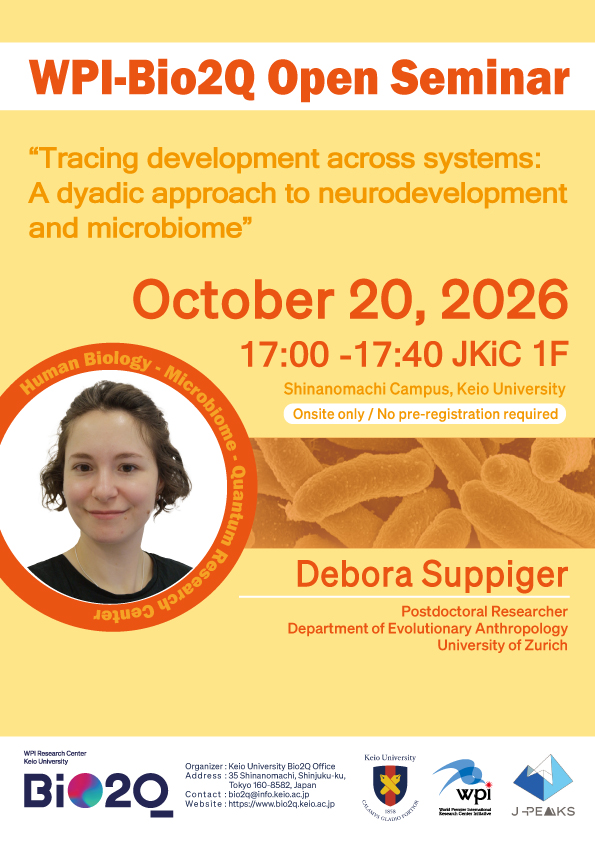
【10/20 Seminar】 WPI-Bio2Q Open Seminar: Debora Suppiger, PhD(for Keio Members)
Keio University Human Biology-Microbiome-Quantum Research Center (WPI-Bio2Q) will hold a seminar as follows. This event is only for faculty, students, and staff of Keio University. Date&Time Tuesday, October 20, 2026, 17:00-17:40 Speaker Debora Suppiger, PhD(Postdoctoral Researcher, Department of Evolutionary Anthropology, University of Zurich) Title Tracing development across...
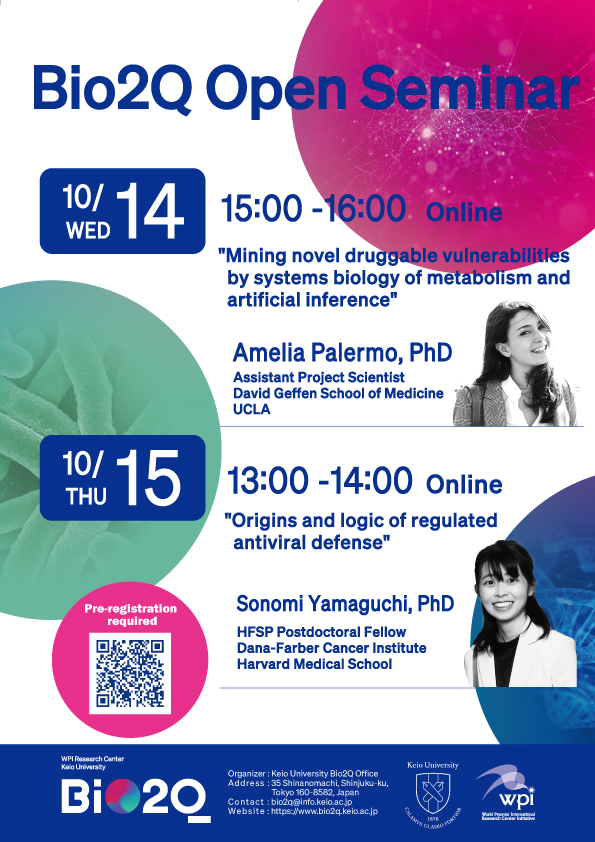
【10/14, 15 Seminar】 WPI-Bio2Q Open Seminar: Amelia Palermo, PhD&Sonomi Yamaguchi...
Keio University Human Biology-Microbiome-Quantum Research Center (WPI-Bio2Q) will hold seminars as follows. These events are only for faculty, students, and staff of Keio University, and pre-registration is required. Session #1 Date and Time Wednesday, October 14, 2026, 15:00-16:00 Title Mining novel druggable vulnerabilities by systems biology of metabolism and artificial inferenc...
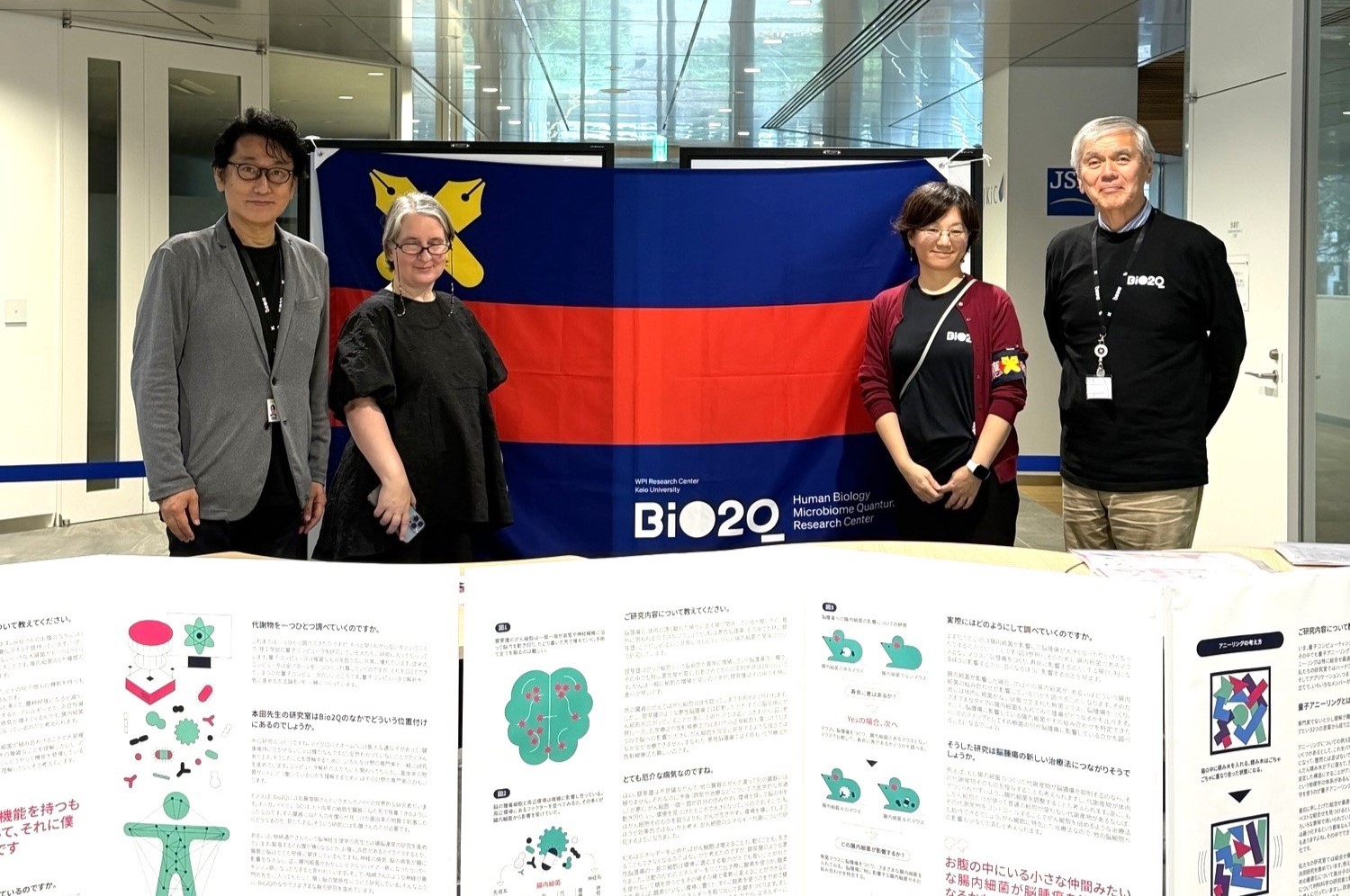
【Event】Participation in Keio University’s “Yotsuya Festival”
Keio University Human Biology-Microbiome-Quantum Research Center (WPI-Bio2Q) participated in the following event. Keio University Shinanomachi Campus “Yotsuya Festival” October 3 (Sat) 11:00 AM – 4:00 PM October 4 (Sun) 10:00 AM – 3:00 PM In addition to introducing Bio2Q’s research activities, we also hosted a Science Art Gallery on the day of the event. We welcomed 278 visitors and estab...
【Seminar Report】WPI-Bio2Q Open Seminar: Chun-Jun Guo, PhD
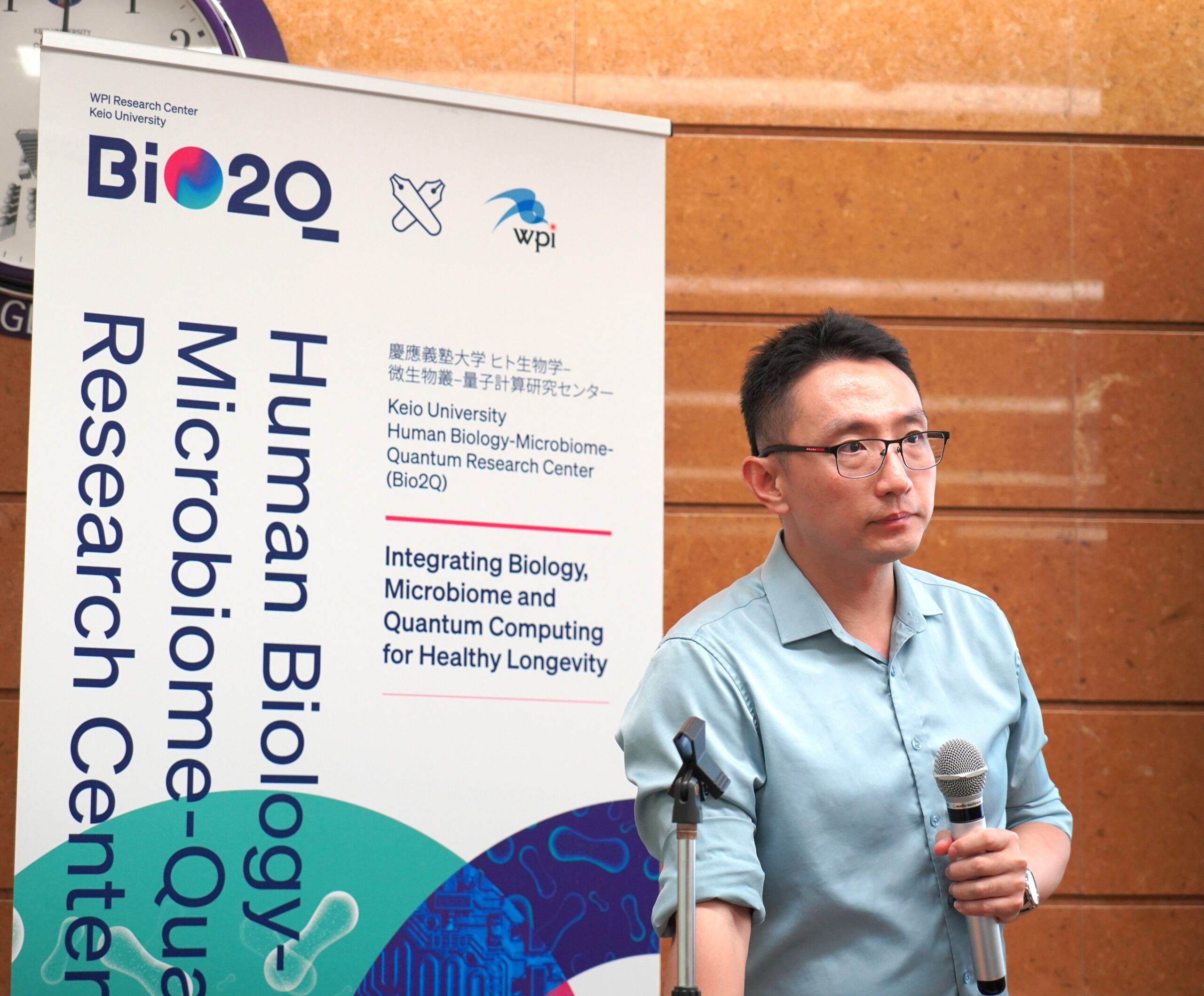
Keio University Human Biology-Microbiome-Quantum Research Center (WPI-Bio2Q) held a seminar as follows. Date:17:00 -18:00, October 6, 2026 Venue:1F Lounge, Center for Integrated Medical Research, Shinanomachi Campus, Keio University Speaker:Chun-Jun Guo, PhD Associate Professor Department of Microbiology &Immunology Weill Cornell Medicine Title:Using Genetics to Explore Microbe-Host...
【Private Activity】Bio2Q Members Take Part in TOKYO ROKUTAI FES 2026
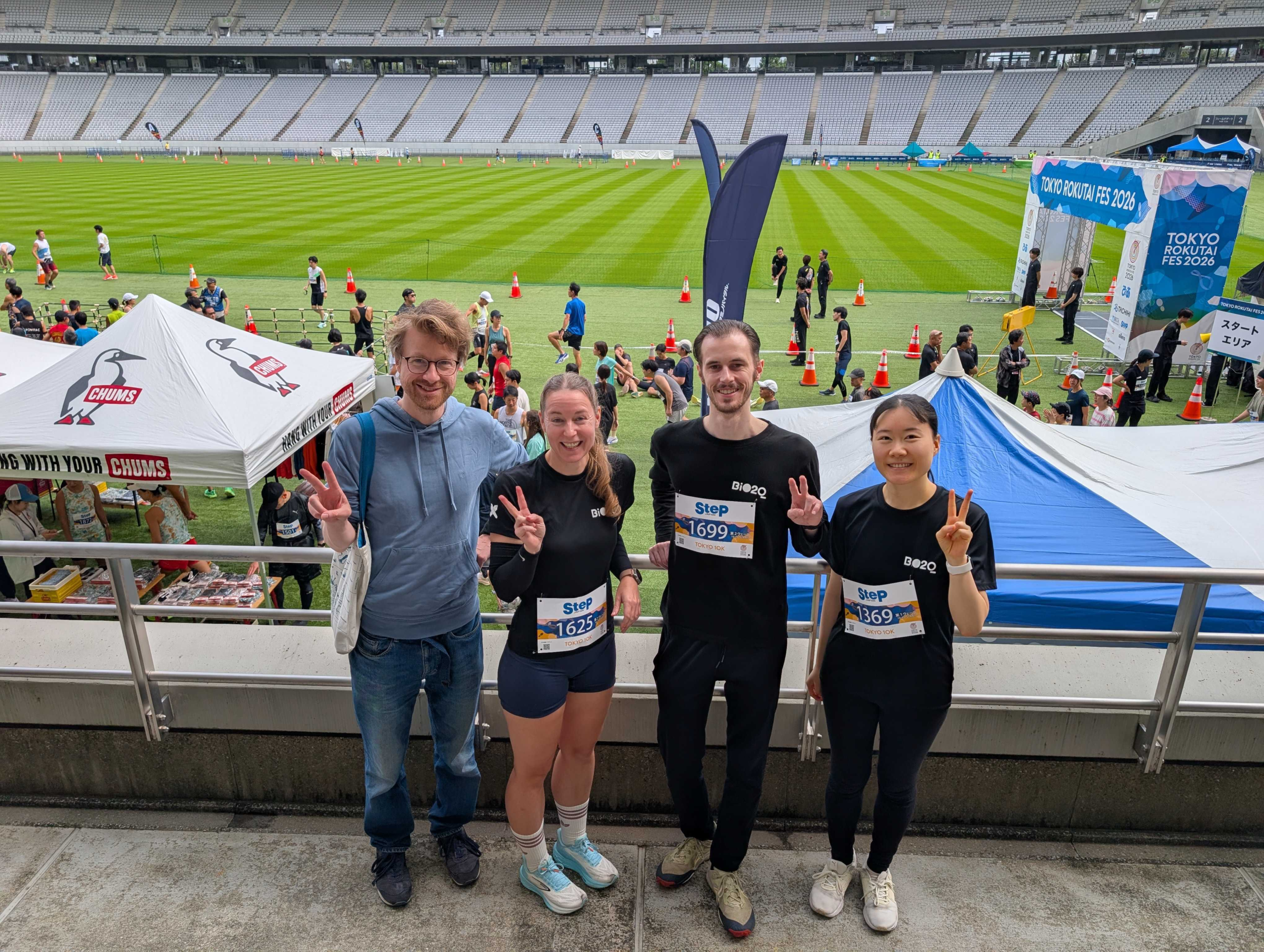
On Sunday, October 4th, members of the Keio University Human Biology-Microbiome-Quantum Computing Research Center (Bio2Q) participated in “TOKYO ROKUTAI FES 2026”, taking on the 10K run together! Researchers were joined by their family and friends, creating a fun and energetic atmosphere throughout the event. It was a great opportunity to stay active, challenge themselves, and strengthen connecti...
