





RESEARCH
[Publication] Dietary soy shapes the microbiome to induce commensal-specific T follicular helper cells and IgA production
June 19, 2026
Credits: WPI-Bio2Q
Co-authored by researchers from Bio2Q and published in the journal Immunity, this study demonstrates that dietary soy shapes the gut microbiome in a way that promotes mucosal immune development during early life. These researchers show that soy consumption selectively enriches two commensal bacterial species who together induce T follicular helper (Tfh) cells and IgA-producing B cells in Peyer’s patches. These findings reveal a diet-microbiome-immune axis that generates polyreactive IgA capable of protecting against Salmonella infection. This work therefore establishes dietary soy as a key regulator of microbiome dependent immune maturation and host defense.
| Title | Dietary soy shapes the microbiome to induce commensal-specific T follicular helper cells and IgA production |
|---|---|
| Authors | Kisara Hattori-Muroi 1, Hikari Maruta 1, Daisuke Takahashi 2, Yusuke Kinashi 3, Kouya Hattori 1, Yuma Kabumoto 1, Yumiko Fujimura 1, Satoshi Tsukamoto 1, Koichiro Suzuki 1, Hiroyuki Oguchi 1, Yumi Ogihara 1, Yotaro Kodaira 1, Emi Hayashi 1, Kokona Takano 1, Seiga Komiyama 3, Naoki Morita 4, Hanako Naganawa-Asaoka 1, Yuki Oya 1, Yuka Saito 1, Wakana Ohhashi 4, Shunsuke Kimura 1, Reiko Shinkura 5, Tsukasa Matsuda 6, Koji Hase 7 |
| Short Description | This study, co-authored by investigators from Bio2Q and published in Immunity, identifies a previously unrecognized diet-microbiome-immune axis through which dietary soy promotes the development of protective mucosal immunity during early life. This research addresses how diet can influence the gut microbiome in a way that shapes adaptive immune responses in the intestine. Through microbiome profiling, gnotobiotic mouse models, immunological analyses, and antibody repertoire sequencing, these researchers demonstrate that soy consumption selectively alters the composition of the small-intestinal microbiome, which drives the induction of T follicular helper (Tfh) cells and IgA responses within Peyer’s patches.
Applying these approaches in vivo, the authors found that dietary soy supports the colonization of specific commensal bacteria, Limosilactobacillus reuteri and Muribaculum intestinale, that work together to stimulate intestinal immune development. These microbes provide complementary signals that promote Tfh cell responses and IgA production, while continuous soy intake was required to maintain this immune activity. The authors further showed that soy-induced IgA recognized intestinal microbes and contributed to broader mucosal immune protection. Together, these findings establish dietary soy as a key regulator of microbiome-dependent immune maturation and host defense. By demonstrating that soy-driven changes in the gut microbiome can strengthen protection against Salmonella infection, this study reveals how specific dietary components can shape immune function through commensal bacteria. These findings highlight the potential of dietary and microbiome-based interventions to enhance mucosal immunity and improve resistance to enteric pathogens. |
| DOI | 10.1016/j.immuni.2026.04.013 |
| Journal | Immunity |
| Vol/Num/Page | 2026 Jun 9;59(6):1616-1632.e11. |
| Publication Date | June 9, 2026 |
Affiliations
- Division of Biochemistry, Department of Pharmaceutical Sciences, Faculty of Pharmacy, and Graduate School of Pharmaceutical Sciences, Keio University, Tokyo 105-8512, Japan.
- Division of Biochemistry, Department of Pharmaceutical Sciences, Faculty of Pharmacy, and Graduate School of Pharmaceutical Sciences, Keio University, Tokyo 105-8512, Japan. Electronic address: takahashi-di@keio.jp.
- Division of Biochemistry, Department of Pharmaceutical Sciences, Faculty of Pharmacy, and Graduate School of Pharmaceutical Sciences, Keio University, Tokyo 105-8512, Japan; Human Biology-Microbiome-Quantum Research Center (WPI-Bio2Q), Keio University, Tokyo 108-8345, Japan.
- Division of Pharmaceutical Sciences, School of Pharmaceutical Sciences, University of Shizuoka, Shizuoka 422-8526, Japan.
- Laboratory of Immunology and Infection Control, Institute for Quantitative Biosciences, The University of Tokyo, Bunkyo-ku, Tokyo 113-0032, Japan.
- Institute of Fermentation Sciences (IFeS), Faculty of Food and Agricultural Sciences, Fukushima University, Fukushima 960-1296, Japan.
- Division of Biochemistry, Department of Pharmaceutical Sciences, Faculty of Pharmacy, and Graduate School of Pharmaceutical Sciences, Keio University, Tokyo 105-8512, Japan; Human Biology-Microbiome-Quantum Research Center (WPI-Bio2Q), Keio University, Tokyo 108-8345, Japan; Institute of Fermentation Sciences (IFeS), Faculty of Food and Agricultural Sciences, Fukushima University, Fukushima 960-1296, Japan; Division of Commensal Biology, The Insitute of Medical Science, The University of Tokyo (IMSUT), Tokyo 108-8639, Japan; International Vaccine Design Center, The Institute of Medical Science (IMSUT), The University of Tokyo, Tokyo 108-8639, Japan. Electronic address: hase.a6@keio.jp.
SHARE




More Bio2Q News
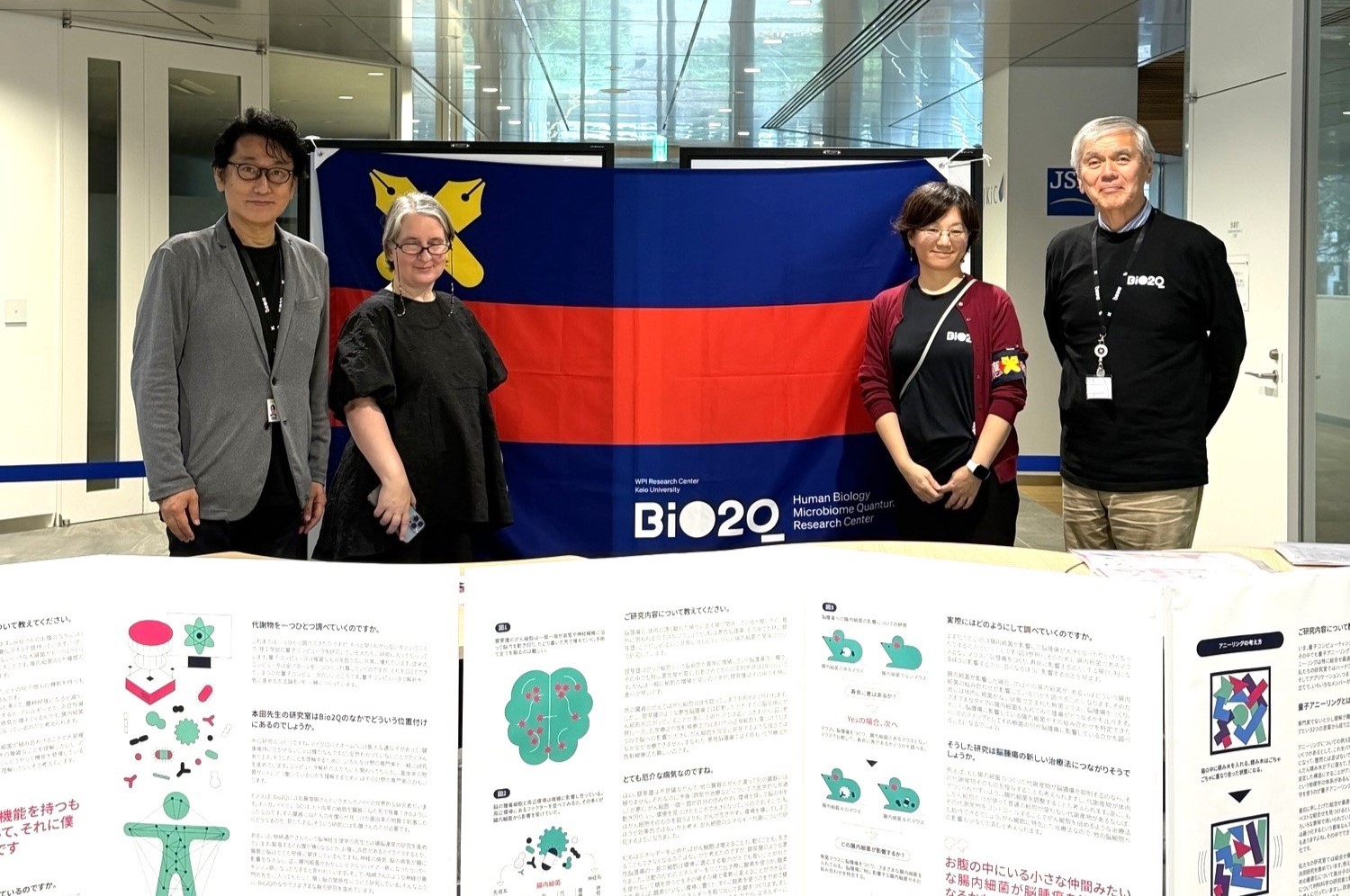
【Event】Participation in Keio University’s “Yotsuya Festival”
Keio University Human Biology-Microbiome-Quantum Research Center (WPI-Bio2Q) participated in the following event. Keio University Shinanomachi Campus “Yotsuya Festival” October 3 (Sat) 11:00 AM – 4:00 PM October 4 (Sun) 10:00 AM – 3:00 PM In addition to introducing Bio2Q’s research activities, we also hosted a Science Art Gallery on the day of the event. We welcomed 278 visitors and estab...
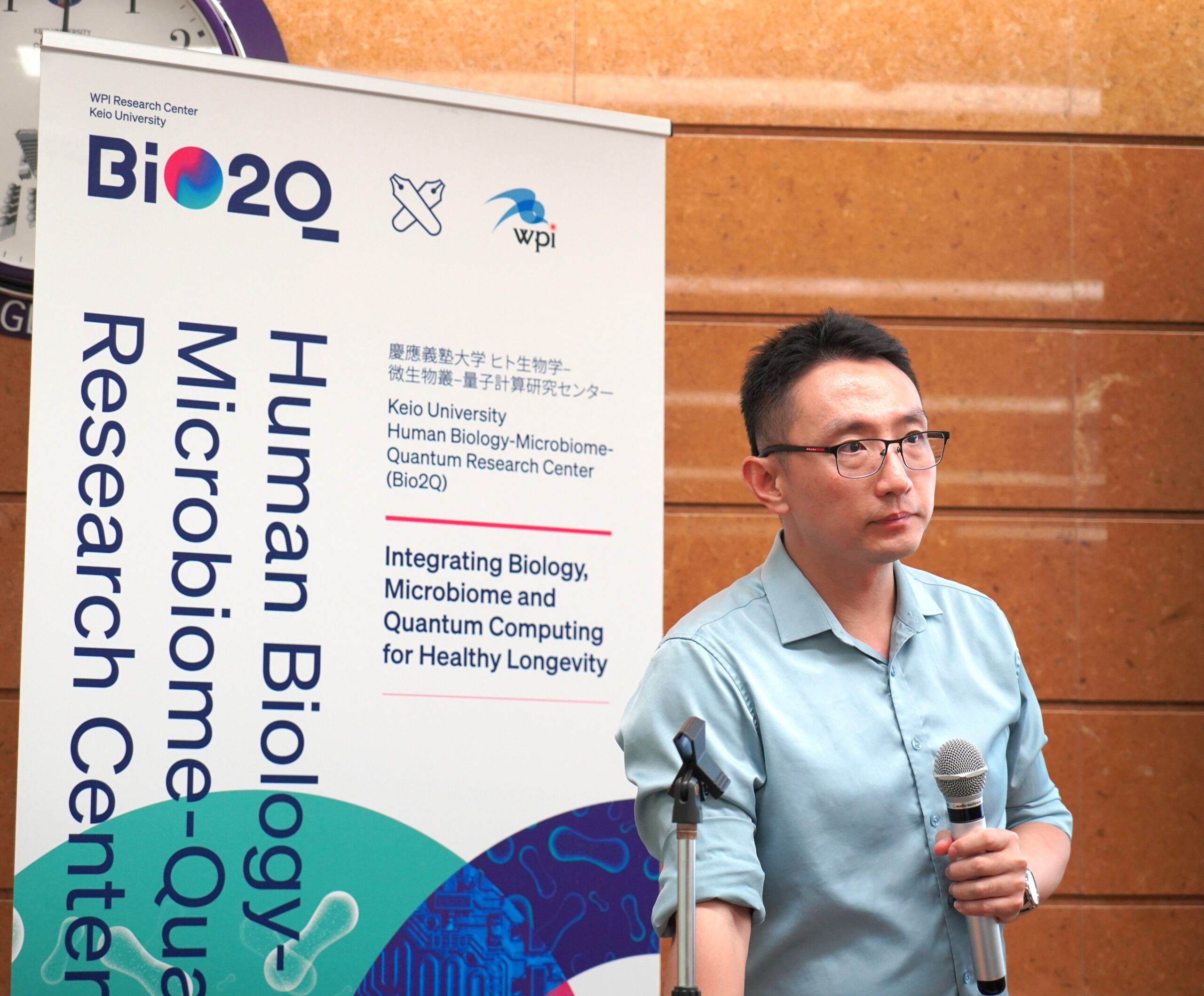
【Seminar Report】WPI-Bio2Q Open Seminar: Chun-Jun Guo, PhD
Keio University Human Biology-Microbiome-Quantum Research Center (WPI-Bio2Q) held a seminar as follows. Date:17:00 -18:00, October 6, 2026 Venue:1F Lounge, Center for Integrated Medical Research, Shinanomachi Campus, Keio University Speaker:Chun-Jun Guo, PhD Associate Professor Department of Microbiology &Immunology Weill Cornell Medicine Title:Using Genetics to Explore Microbe-Host...
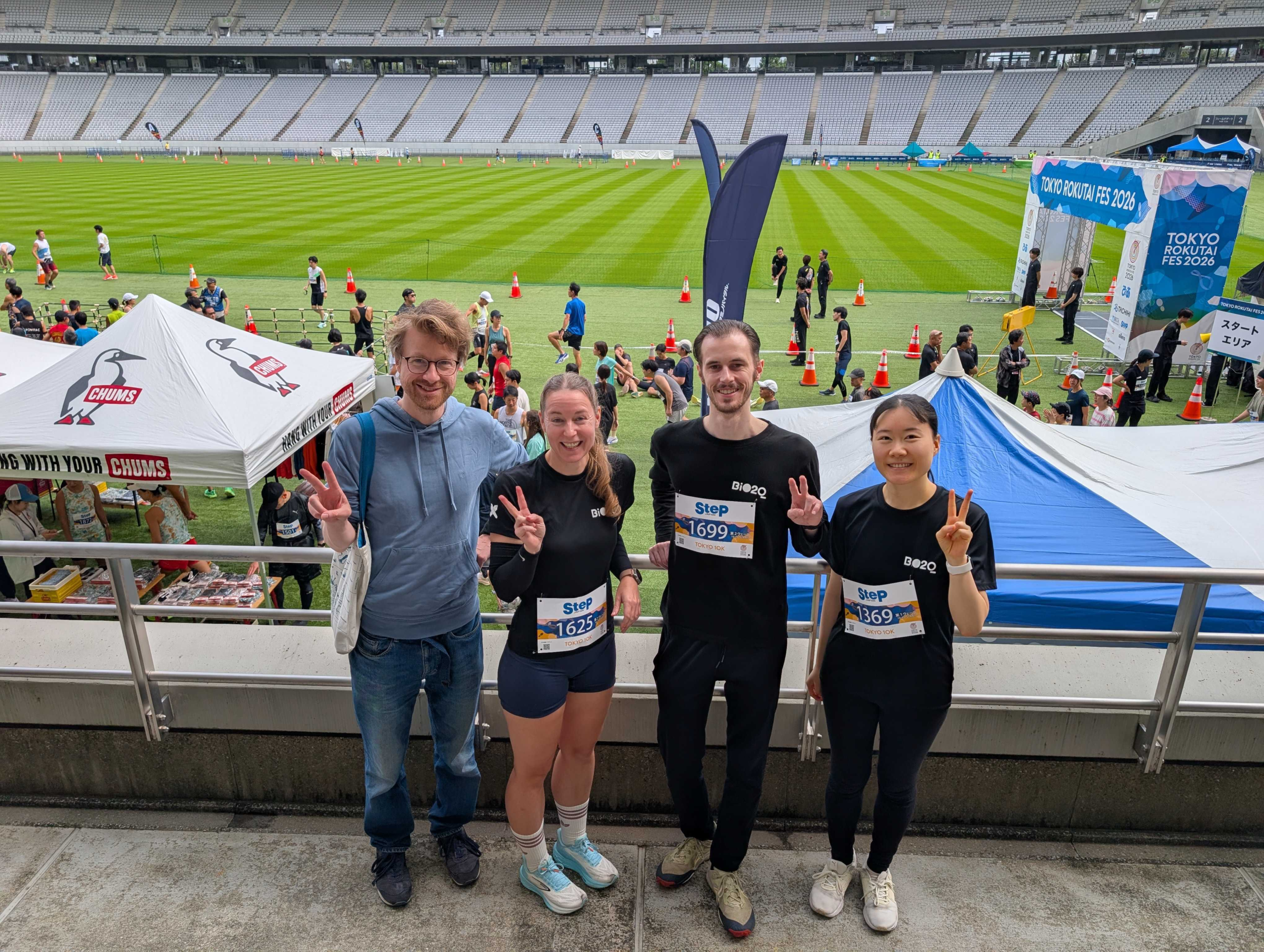
【Private Activity】Bio2Q Members Take Part in TOKYO ROKUTAI FES 2026
On Sunday, October 4th, members of the Keio University Human Biology-Microbiome-Quantum Computing Research Center (Bio2Q) participated in “TOKYO ROKUTAI FES 2026”, taking on the 10K run together! Researchers were joined by their family and friends, creating a fun and energetic atmosphere throughout the event. It was a great opportunity to stay active, challenge themselves, and strengthen connecti...
【10/14, 15 Seminar】 WPI-Bio2Q Open Seminar: Amelia Palermo, PhD&Sonomi Yamaguchi...
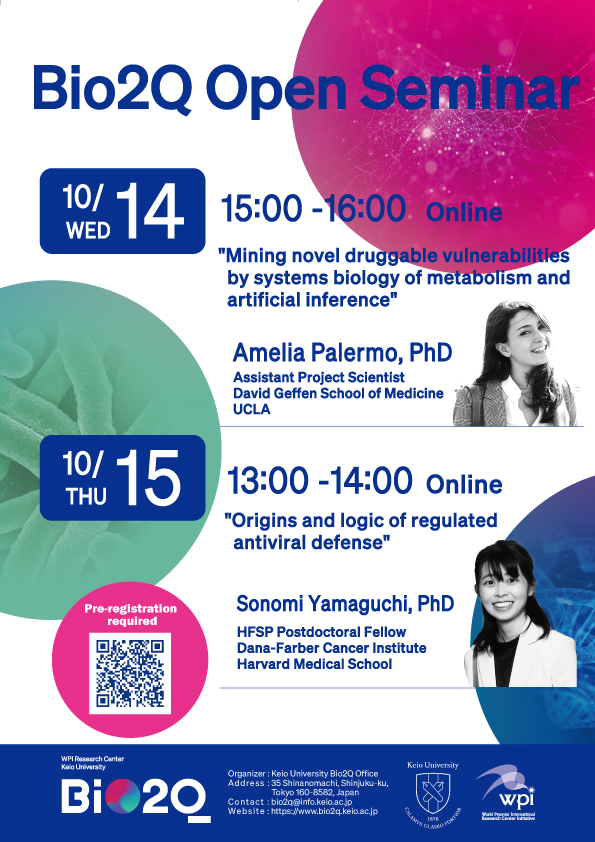
Keio University Human Biology-Microbiome-Quantum Research Center (WPI-Bio2Q) will hold seminars as follows. These events are only for faculty, students, and staff of Keio University, and pre-registration is required. Session #1 Date and Time Wednesday, October 14, 2026, 15:00-16:00 Title Mining novel druggable vulnerabilities by systems biology of metabolism and artificial inferenc...
【Seminar Report】WPI-Bio2Q Open Seminar: Djenet Bousbaine, PhD
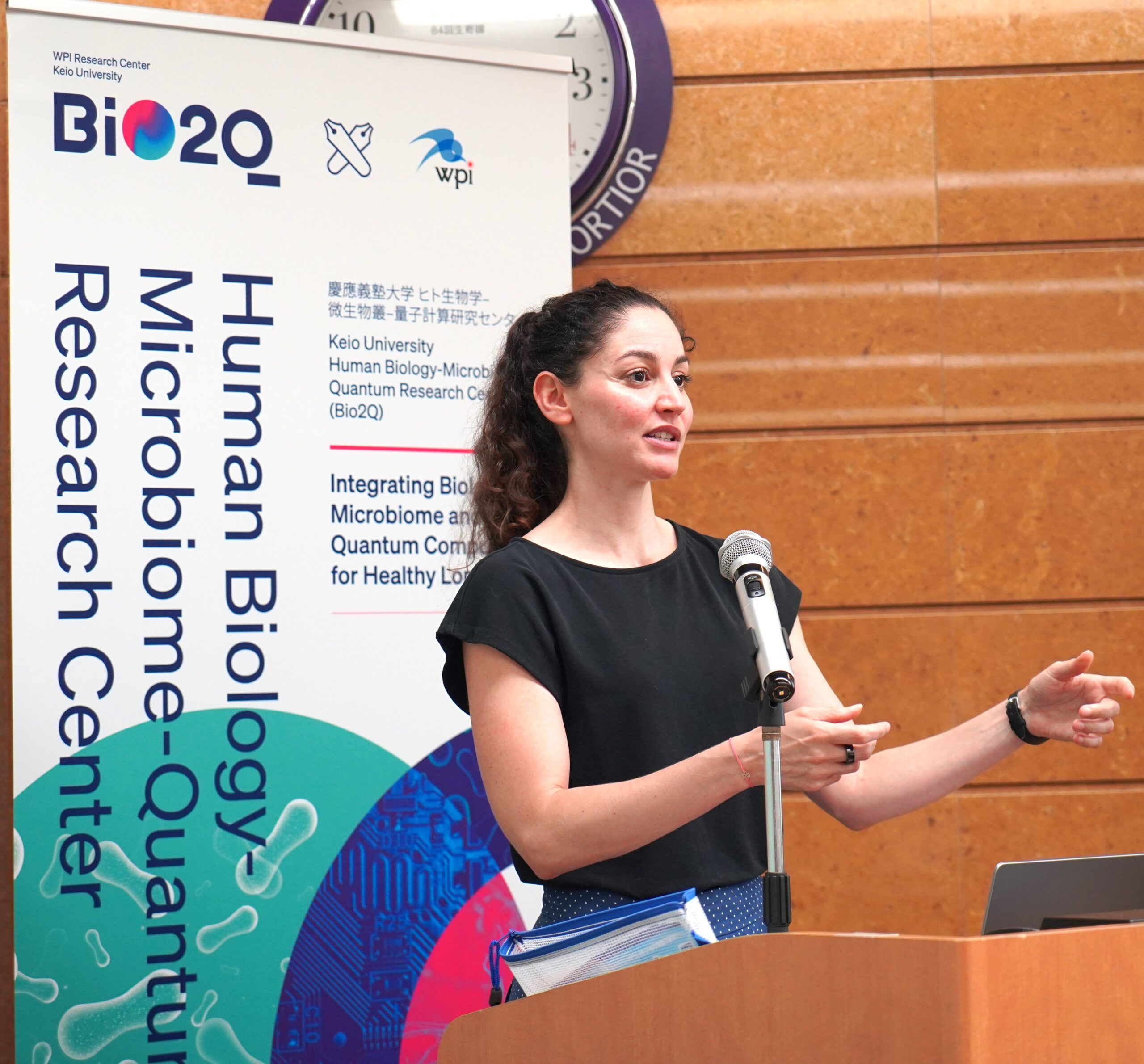
Keio University Human Biology-Microbiome-Quantum Research Center (WPI-Bio2Q) held a seminar as follows. Date:17:00 -18:00, October 1, 2026 Venue:1F Lounge, Center for Integrated Medical Research, Shinanomachi Campus, Keio University Speaker:Djenet Bousbaine, PhD Postdoctoral scholar Department of Bioengineering Stanford University, US Title:Engineering Skin Bacteria for Needle-Free ...
