





RESEARCH
【Publication】Mitochondria-targeting ACSL6 variant drives mitochondrial fragmentation potentially through local DHA-CoA production
August 14, 2026
Credits: WPI-Bio2Q
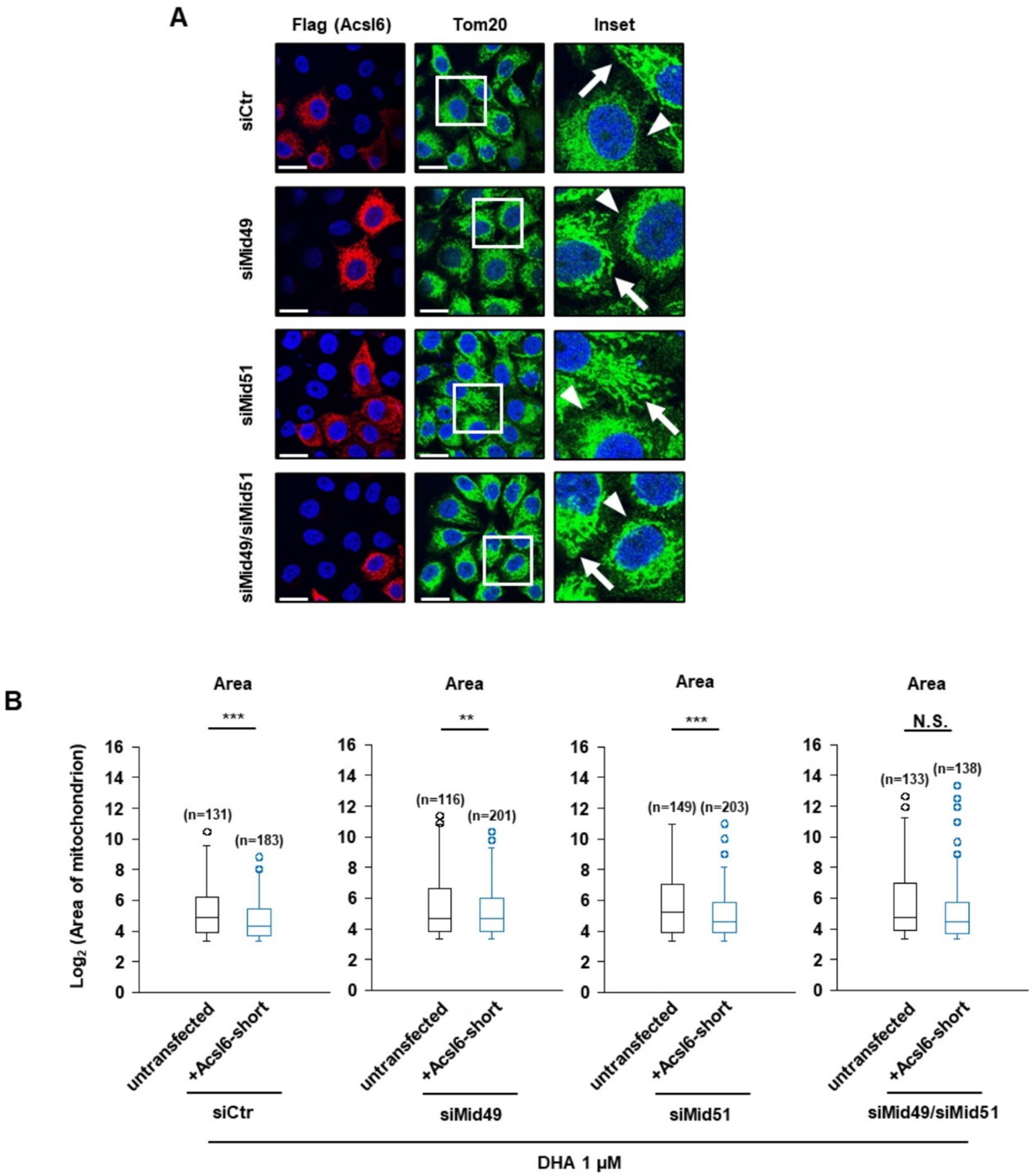
Fig. 5 Role of Mid proteins in Acsl6-induced mitochondrial fragmentation.
Credits: Ota et al., 2026
Co-authored by researchers from Bio2Q and published in Scientific Reports, this study reveals how a short ACSL6 enzyme variant selectively targets mitochondria to locally convert omega-3 DHA into DHA-CoA. By activating Drp1-dependent fission pathways, this localized lipid production triggers mitochondrial fragmentation. As a result, they were able to demonstrate a direct link between variant-specific lipid metabolism and organelle dynamics, shedding light on mitochondrial regulation in brain health, vision, and fertility.
| Title | Mitochondria-targeting ACSL6 variant drives mitochondrial fragmentation potentially through local DHA-CoA production |
|---|---|
| Authors | Ryuji Ota 1 2, Yosuke Isobe 1 2 3, Yohsuke Ohba 1 2, Makoto Arita 4 5 6 7 |
| Short Description |
This study, co-authored by researchers from both Bio2Q and Keio University, demonstrates how a previously uncharacterized variant of the fatty acid-metabolizing enzyme ACSL6 regulates mitochondrial dynamics through localized lipid metabolism.
ACSL6 plays an essential role in converting the omega-3 fatty acid docosahexaenoic acid (DHA) into its active coenzyme A (CoA) form and is critical for normal brain function, vision, and male fertility. However, the distinct functions of its different protein variants have remained poorly understood. Here, these researchers identified a short ACSL6 isoform that is predominantly expressed in the brain, retina, and testes and discovered that it selectively localizes to mitochondria through a unique N-terminal targeting sequence. In the presence of DHA, this mitochondrial ACSL6 variant generated DHA-CoA locally, triggering mitochondrial fragmentation through a pathway involving the mitochondrial fission proteins Drp1, Mid49, and Mid51. Disrupting either the enzyme’s catalytic activity or its mitochondrial localization abolished these effects, demonstrating that localized DHA-CoA production is required to drive this process.
By linking variant-specific lipid metabolism to the regulation of mitochondrial morphology, this study provides new insight into how cellular lipid metabolism controls organelle homeostasis and establishes a foundation for understanding the roles of ACSL6 in neurological function, vision, fertility, and diseases associated with mitochondrial dysfunction.
|
| DOI | 10.1038/s41598-026-46977-x |
| Journal | Scientific Reports |
| Vol/Num/Page |
16(1):15456.
|
| Publication Date | April, 2026 |
Affiliations
1 Division of Physiological Chemistry and Metabolism, Graduate School of Pharmaceutical Sciences, Keio University, 1-5-30 Shibakoen, Minato-ku, Tokyo, 105-8512, Japan.
2 Laboratory for Metabolomics, RIKEN Center for Integrative Medical Sciences, 1-7-22 Suehiro-cho, Tsurumi-ku, Yokohama, Kanagawa, 230-0045, Japan.
3 Cellular and Molecular Epigenetics Laboratory, Graduate School of Medical Life Science, Yokohama City University, 1-7-22 Suehiro-cho, Tsurumi-ku, Yokohama, Kanagawa, 230-0045, Japan.
4 Division of Physiological Chemistry and Metabolism, Graduate School of Pharmaceutical Sciences, Keio University, 1-5-30 Shibakoen, Minato-ku, Tokyo, 105-8512, Japan.
5 Laboratory for Metabolomics, RIKEN Center for Integrative Medical Sciences, 1-7-22 Suehiro-cho, Tsurumi-ku, Yokohama, Kanagawa, 230-0045, Japan.
6 Cellular and Molecular Epigenetics Laboratory, Graduate School of Medical Life Science, Yokohama City University, 1-7-22 Suehiro-cho, Tsurumi-ku, Yokohama, Kanagawa, 230-0045, Japan.
7 Human Biology-Microbiome-Quantum Research Center (WPI-Bio2Q), Keio University, 35 Shinanomachi, Shinjuku-ku, Tokyo, 160-8582, Japan.
SHARE




More Bio2Q News
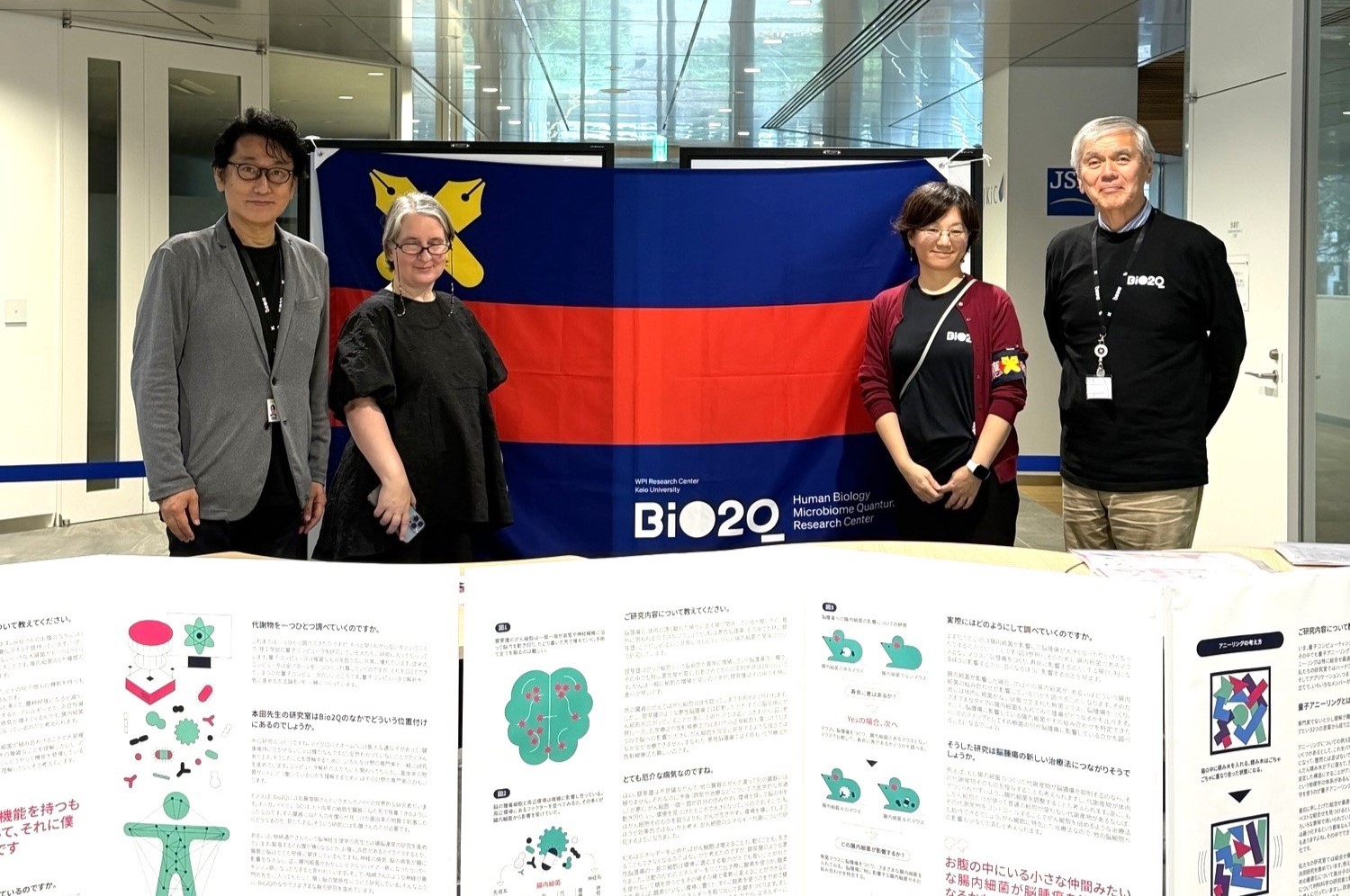
【Event】Participation in Keio University’s “Yotsuya Festival”
Keio University Human Biology-Microbiome-Quantum Research Center (WPI-Bio2Q) participated in the following event. Keio University Shinanomachi Campus “Yotsuya Festival” October 3 (Sat) 11:00 AM – 4:00 PM October 4 (Sun) 10:00 AM – 3:00 PM In addition to introducing Bio2Q’s research activities, we also hosted a Science Art Gallery on the day of the event. We welcomed 278 visitors and estab...
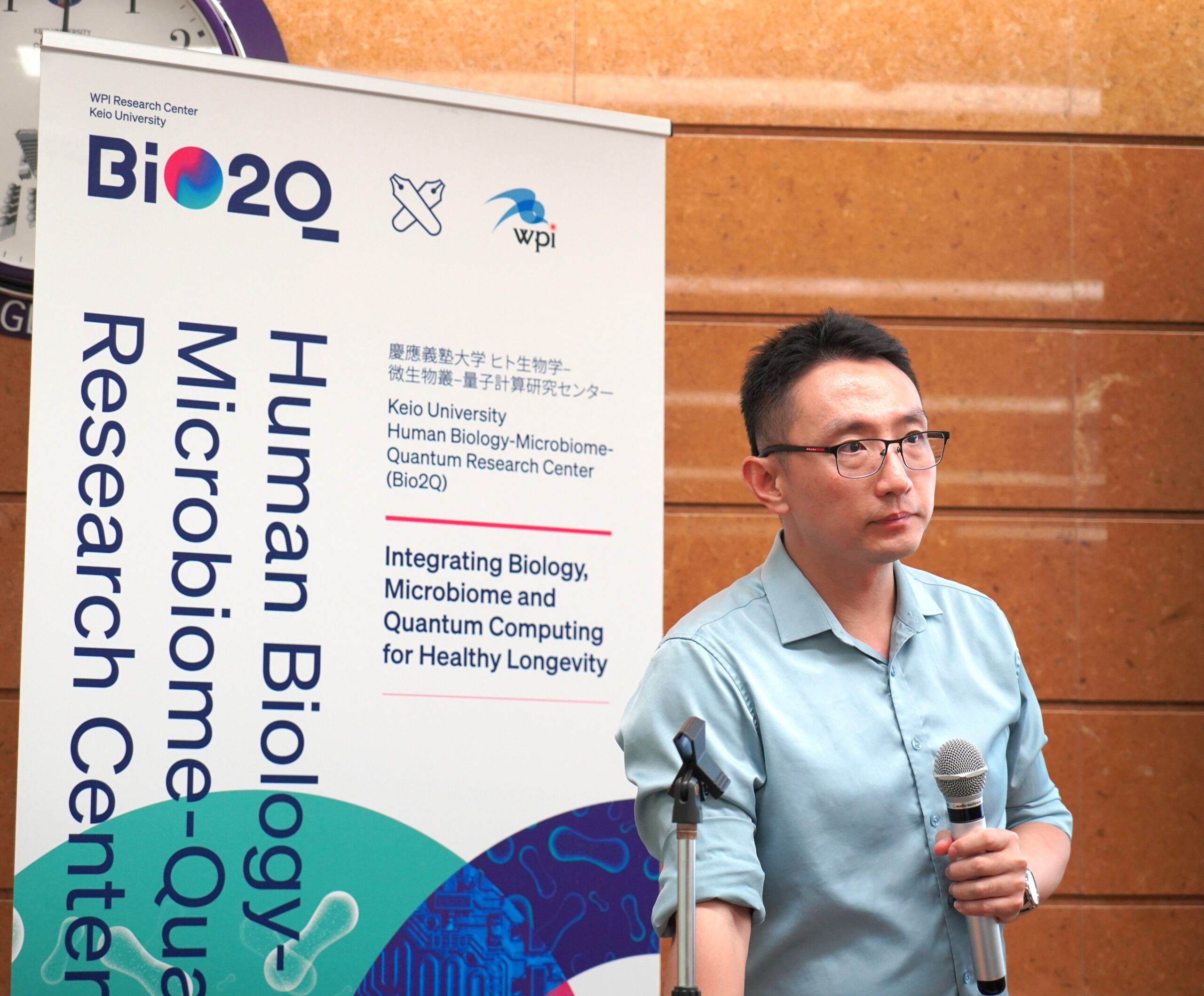
【Seminar Report】WPI-Bio2Q Open Seminar: Chun-Jun Guo, PhD
Keio University Human Biology-Microbiome-Quantum Research Center (WPI-Bio2Q) held a seminar as follows. Date:17:00 -18:00, October 6, 2026 Venue:1F Lounge, Center for Integrated Medical Research, Shinanomachi Campus, Keio University Speaker:Chun-Jun Guo, PhD Associate Professor Department of Microbiology &Immunology Weill Cornell Medicine Title:Using Genetics to Explore Microbe-Host...
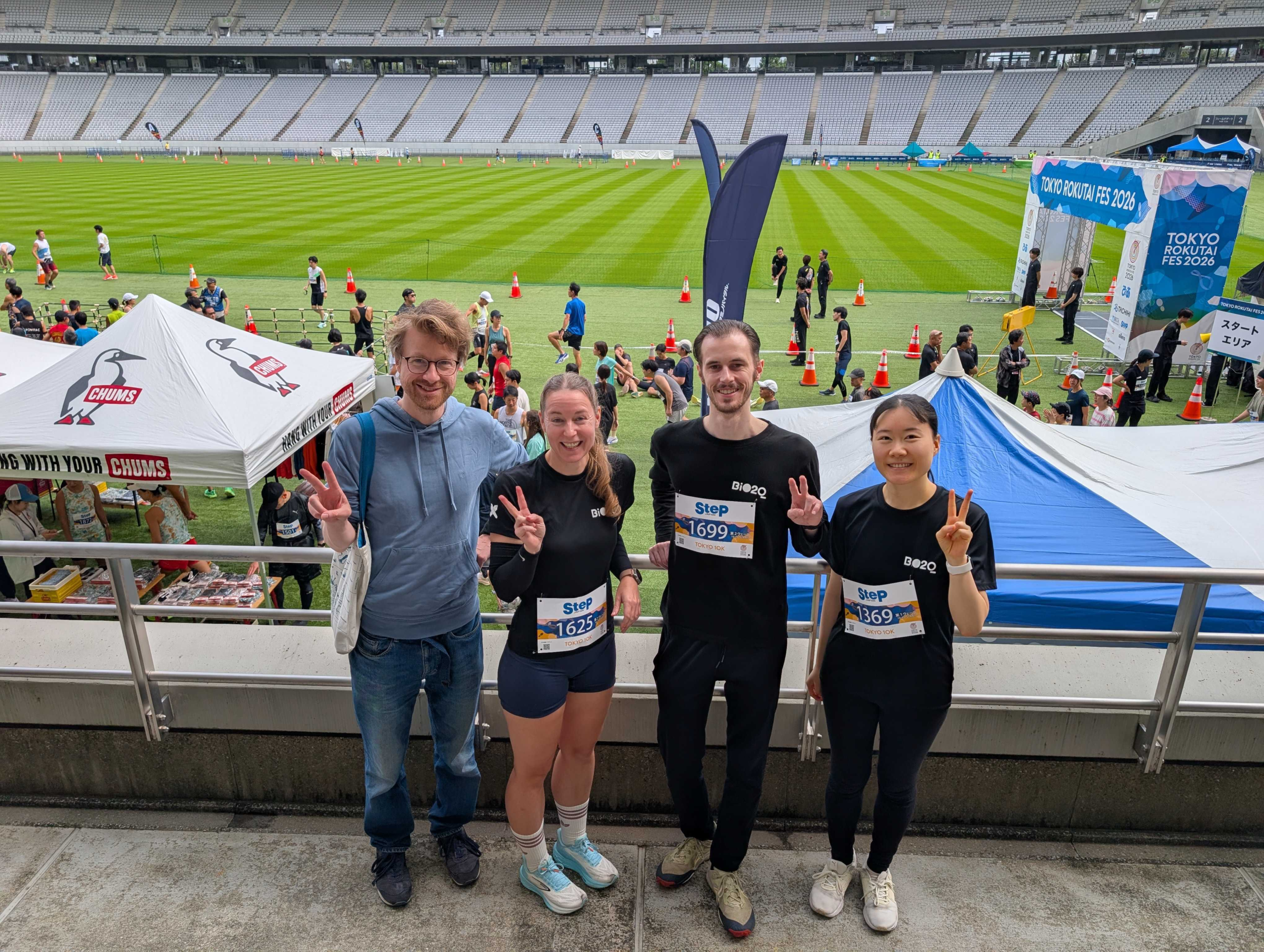
【Private Activity】Bio2Q Members Take Part in TOKYO ROKUTAI FES 2026
On Sunday, October 4th, members of the Keio University Human Biology-Microbiome-Quantum Computing Research Center (Bio2Q) participated in “TOKYO ROKUTAI FES 2026”, taking on the 10K run together! Researchers were joined by their family and friends, creating a fun and energetic atmosphere throughout the event. It was a great opportunity to stay active, challenge themselves, and strengthen connecti...
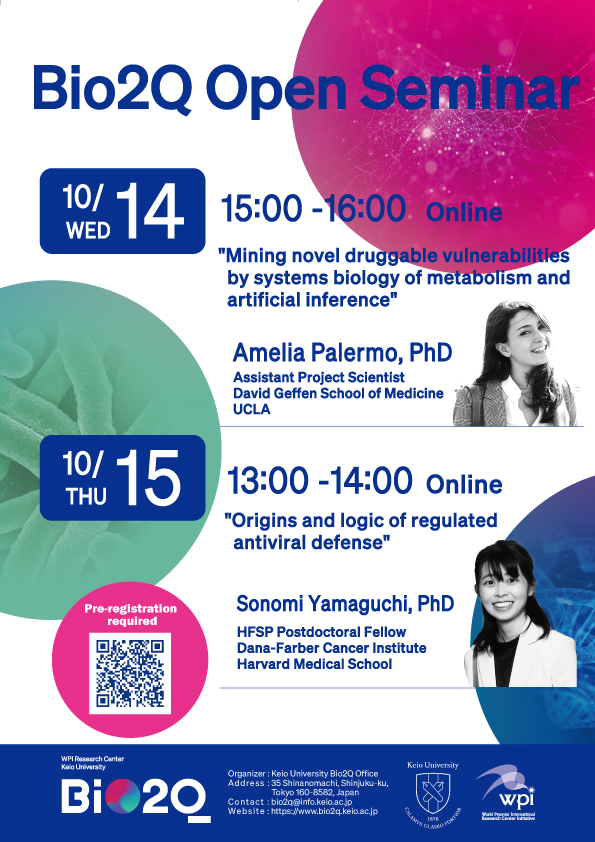
【10/14, 15 Seminar】 WPI-Bio2Q Open Seminar: Amelia Palermo, PhD&Sonomi Yamaguchi...
Keio University Human Biology-Microbiome-Quantum Research Center (WPI-Bio2Q) will hold seminars as follows. These events are only for faculty, students, and staff of Keio University, and pre-registration is required. Session #1 Date and Time Wednesday, October 14, 2026, 15:00-16:00 Title Mining novel druggable vulnerabilities by systems biology of metabolism and artificial inferenc...
【Seminar Report】WPI-Bio2Q Open Seminar: Djenet Bousbaine, PhD
Keio University Human Biology-Microbiome-Quantum Research Center (WPI-Bio2Q) held a seminar as follows. Date:17:00 -18:00, October 1, 2026 Venue:1F Lounge, Center for Integrated Medical Research, Shinanomachi Campus, Keio University Speaker:Djenet Bousbaine, PhD Postdoctoral scholar Department of Bioengineering Stanford University, US Title:Engineering Skin Bacteria for Needle-Free ...
