





RESEARCH
【Publication】Fluorescent-labeled anti-inflammatory α-galactosylceramide derivative and its intracellular behavior associated with selective immune function
August 10, 2026
Credits: WPI-Bio2Q
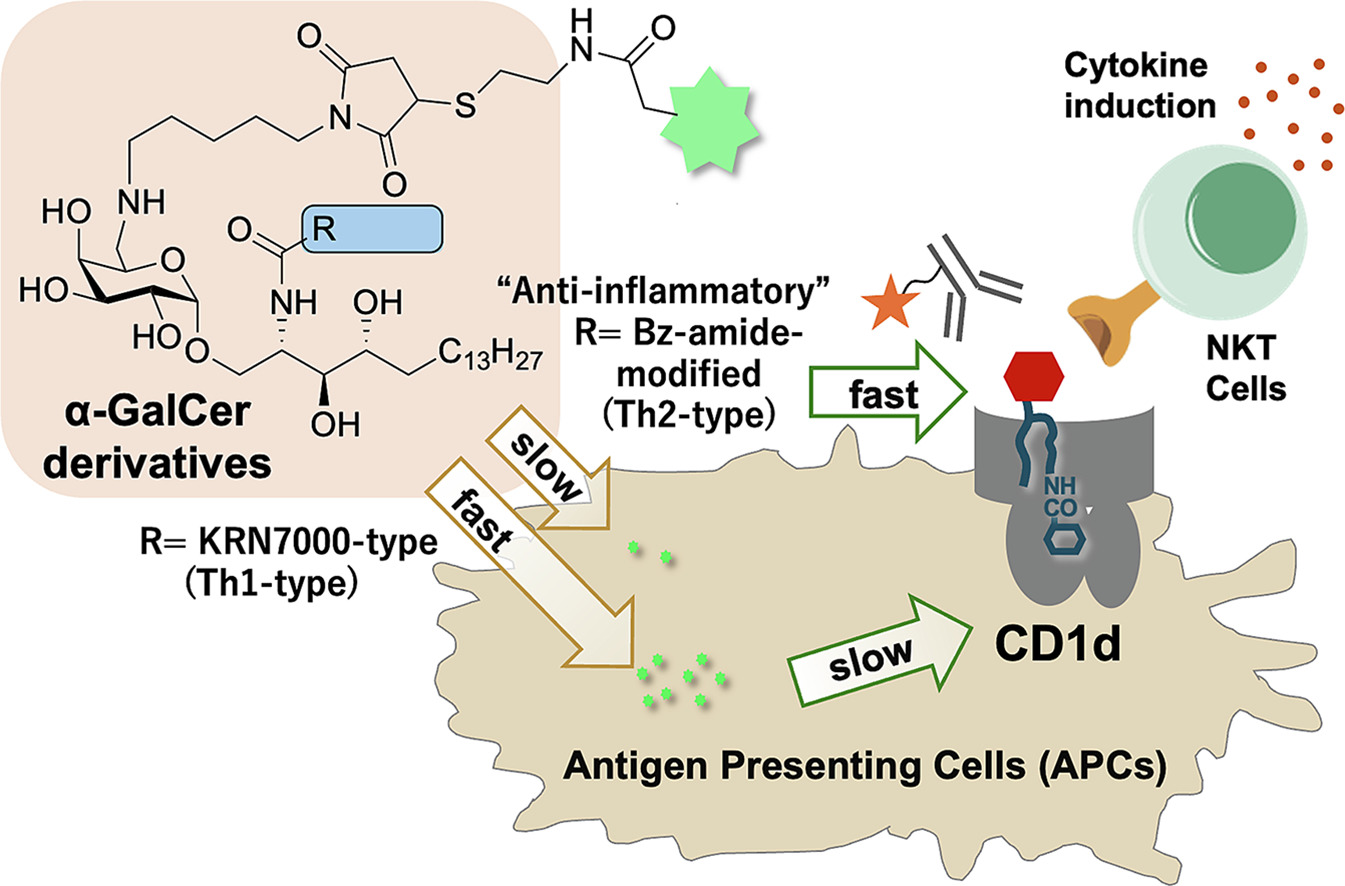
Graphical abstract
Credits: Kikuchi et al., 2026
Co-authored by researchers at Bio2Q and published in Bioorganic & Medicinal Chemistry Letters, this study elucidates the mechanism of selective immune activation using fluorescently labeled anti-inflammatory glycolipids. The researchers developed a method to label anti-inflammatory glycolipids with fluorescence while maintaining their biological activity, allowing them to observe their intracellular dynamics. As a result, they revealed that this compound exhibits a unique transport pattern—being internalized in a CD1d-dependent manner and rapidly presented on the cell surface. These findings demonstrate the role of intracellular trafficking in immune modulation, while highlighting this fluorescent labeling technique as a valuable tool for clarifying therapeutic mechanisms for inflammatory and autoimmune diseases.
| Title | Fluorescent-labeled anti-inflammatory α-galactosylceramide derivative and its intracellular behavior associated with selective immune function |
|---|---|
| Authors | Shunya Kikuchi1, Takanori Matsumaru2, Yukari Fujimoto3 |
| Short Description |
This study, co-authored by researchers from both Bio2Q and Keio University, demonstrates how fluorescently labeling an anti-inflammatory glycolipid can reveal the intracellular mechanisms underlying its selective immune activity.
Glycolipid antigens such as α-galactosylceramide (α-GalCer) regulate immune responses by binding the antigen-presenting molecule CD1d and activating invariant natural killer T (iNKT) cells, but how structurally modified glycolipids produce distinct immune effects has remained unclear. Here, this group of researchers have developed a fluorescence-labeling strategy that preserves the biological activity of α-GalCer-Bz amide, a previously developed anti-inflammatory glycolipid that preferentially induces Th2-type immune responses. Using confocal microscopy and cell-surface antigen tracking, they compared the intracellular behavior of the labeled anti-inflammatory molecule with that of the conventional α-GalCer ligand. While both compounds retained their characteristic cytokine induction profiles, the anti-inflammatory derivative exhibited a distinct trafficking pattern, showing CD1d-dependent cellular uptake and rapid presentation on the cell surface as a CD1d–glycolipid complex. These findings provide new insight into how intracellular trafficking contributes to selective immune modulation and establish fluorescently labeled glycolipids as valuable tools for investigating the mechanisms of immunoregulatory therapeutics targeting autoimmune and inflammatory diseases. |
| DOI | 10.1016/j.bmcl.2026.130617 |
| Journal | Bioorganic & Medicinal Chemistry Letters |
| Vol/Num/Page |
Volume 136:130617.
|
| Publication Date | July, 2026 |
Affiliations
1 Department of Chemistry, Faculty of Science and Technology, Keio University. Yokohama, 223-8522, Japan; Human Biology Microbiome Quantum Research Center (Bio2Q), Keio University. Tokyo, 160-8582, Japan.
2 Department of Chemistry, Faculty of Science and Technology, Keio University. Yokohama, 223-8522, Japan.
3 Department of Chemistry, Faculty of Science and Technology, Keio University. Yokohama, 223-8522, Japan; Human Biology Microbiome Quantum Research Center (Bio2Q), Keio University. Tokyo, 160-8582, Japan.
SHARE




More Bio2Q News
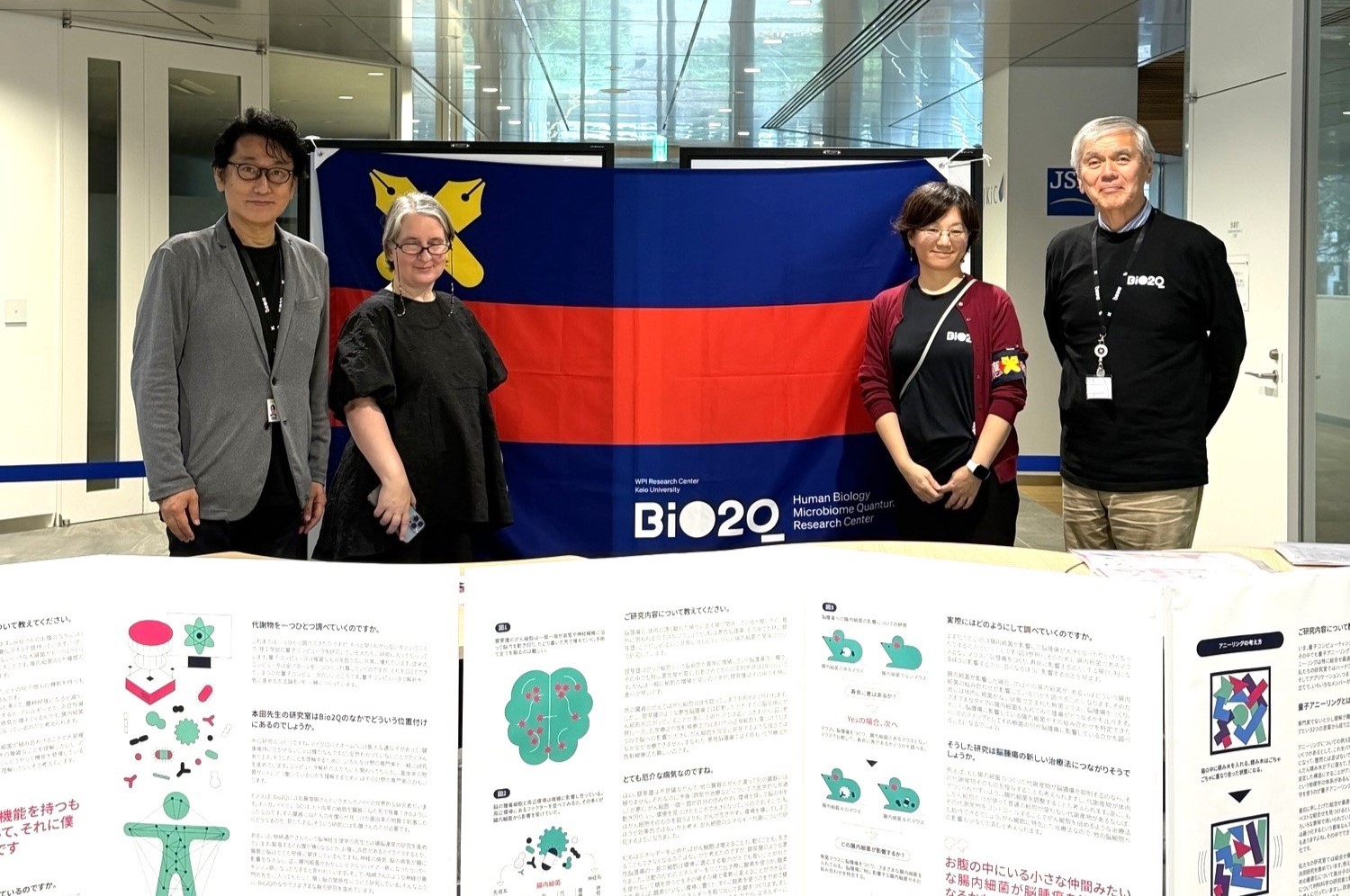
【Event】Participation in Keio University’s “Yotsuya Festival”
Keio University Human Biology-Microbiome-Quantum Research Center (WPI-Bio2Q) participated in the following event. Keio University Shinanomachi Campus “Yotsuya Festival” October 3 (Sat) 11:00 AM – 4:00 PM October 4 (Sun) 10:00 AM – 3:00 PM In addition to introducing Bio2Q’s research activities, we also hosted a Science Art Gallery on the day of the event. We welcomed 278 visitors and estab...
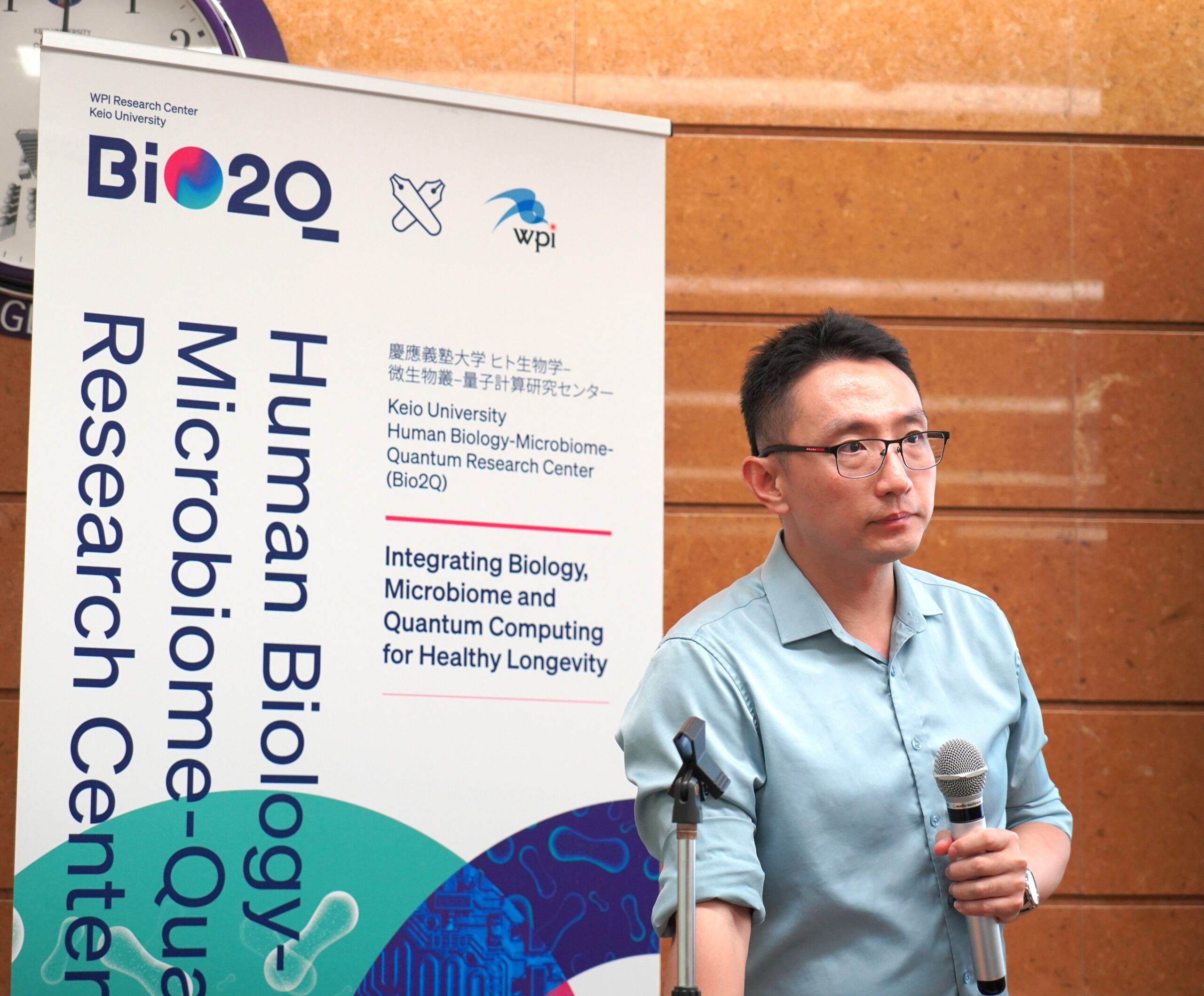
【Seminar Report】WPI-Bio2Q Open Seminar: Chun-Jun Guo, PhD
Keio University Human Biology-Microbiome-Quantum Research Center (WPI-Bio2Q) held a seminar as follows. Date:17:00 -18:00, October 6, 2026 Venue:1F Lounge, Center for Integrated Medical Research, Shinanomachi Campus, Keio University Speaker:Chun-Jun Guo, PhD Associate Professor Department of Microbiology &Immunology Weill Cornell Medicine Title:Using Genetics to Explore Microbe-Host...
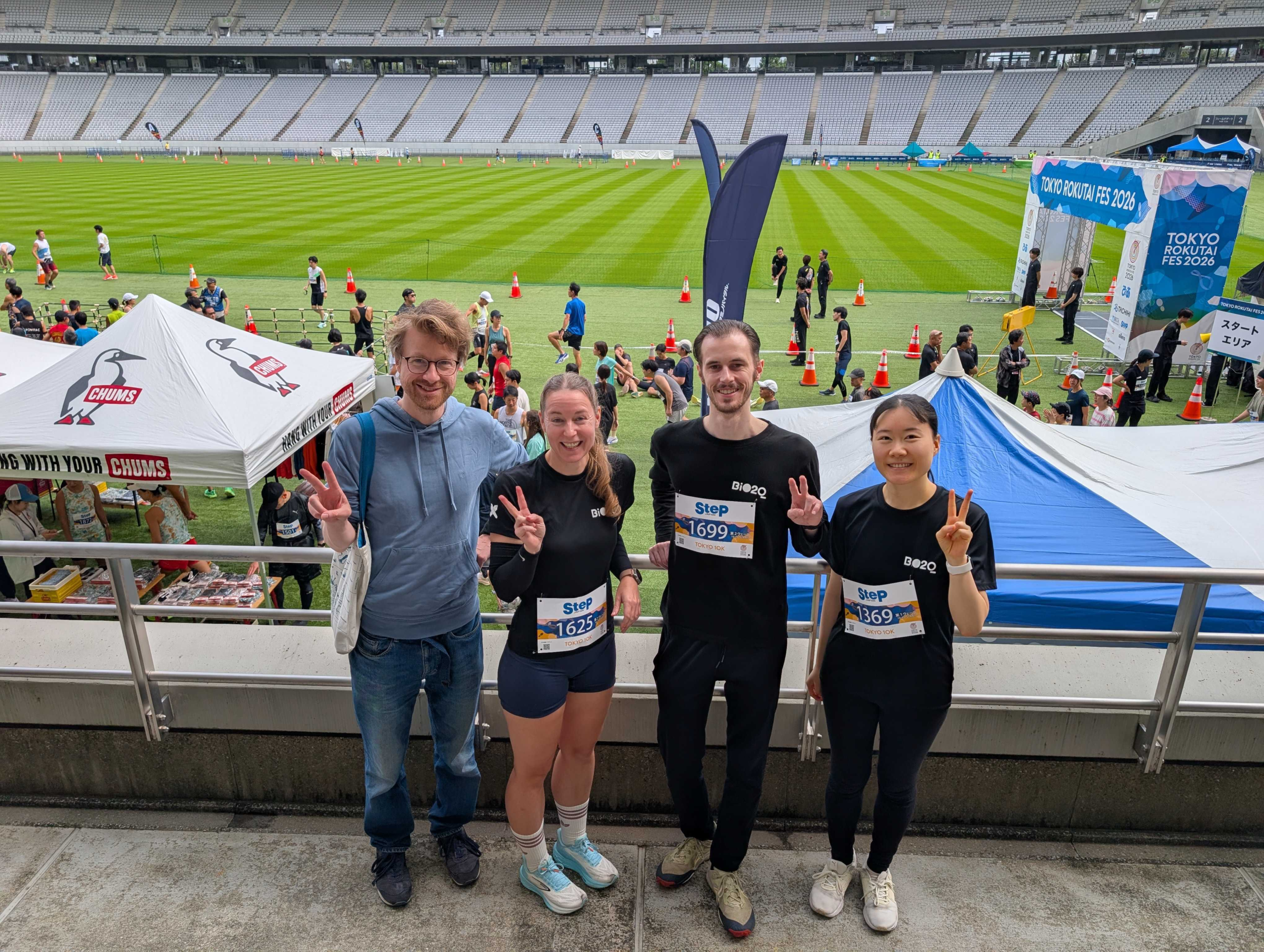
【Private Activity】Bio2Q Members Take Part in TOKYO ROKUTAI FES 2026
On Sunday, October 4th, members of the Keio University Human Biology-Microbiome-Quantum Computing Research Center (Bio2Q) participated in “TOKYO ROKUTAI FES 2026”, taking on the 10K run together! Researchers were joined by their family and friends, creating a fun and energetic atmosphere throughout the event. It was a great opportunity to stay active, challenge themselves, and strengthen connecti...
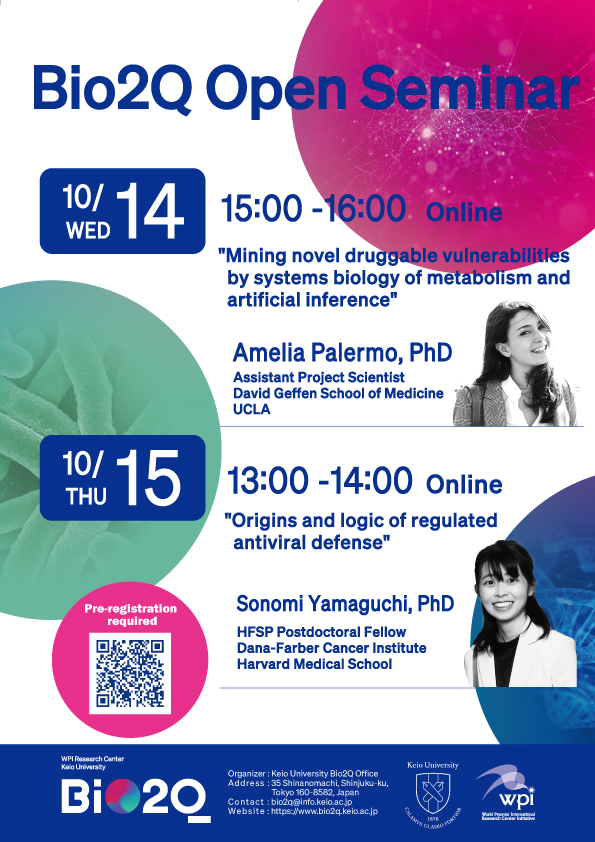
【10/14, 15 Seminar】 WPI-Bio2Q Open Seminar: Amelia Palermo, PhD&Sonomi Yamaguchi...
Keio University Human Biology-Microbiome-Quantum Research Center (WPI-Bio2Q) will hold seminars as follows. These events are only for faculty, students, and staff of Keio University, and pre-registration is required. Session #1 Date and Time Wednesday, October 14, 2026, 15:00-16:00 Title Mining novel druggable vulnerabilities by systems biology of metabolism and artificial inferenc...
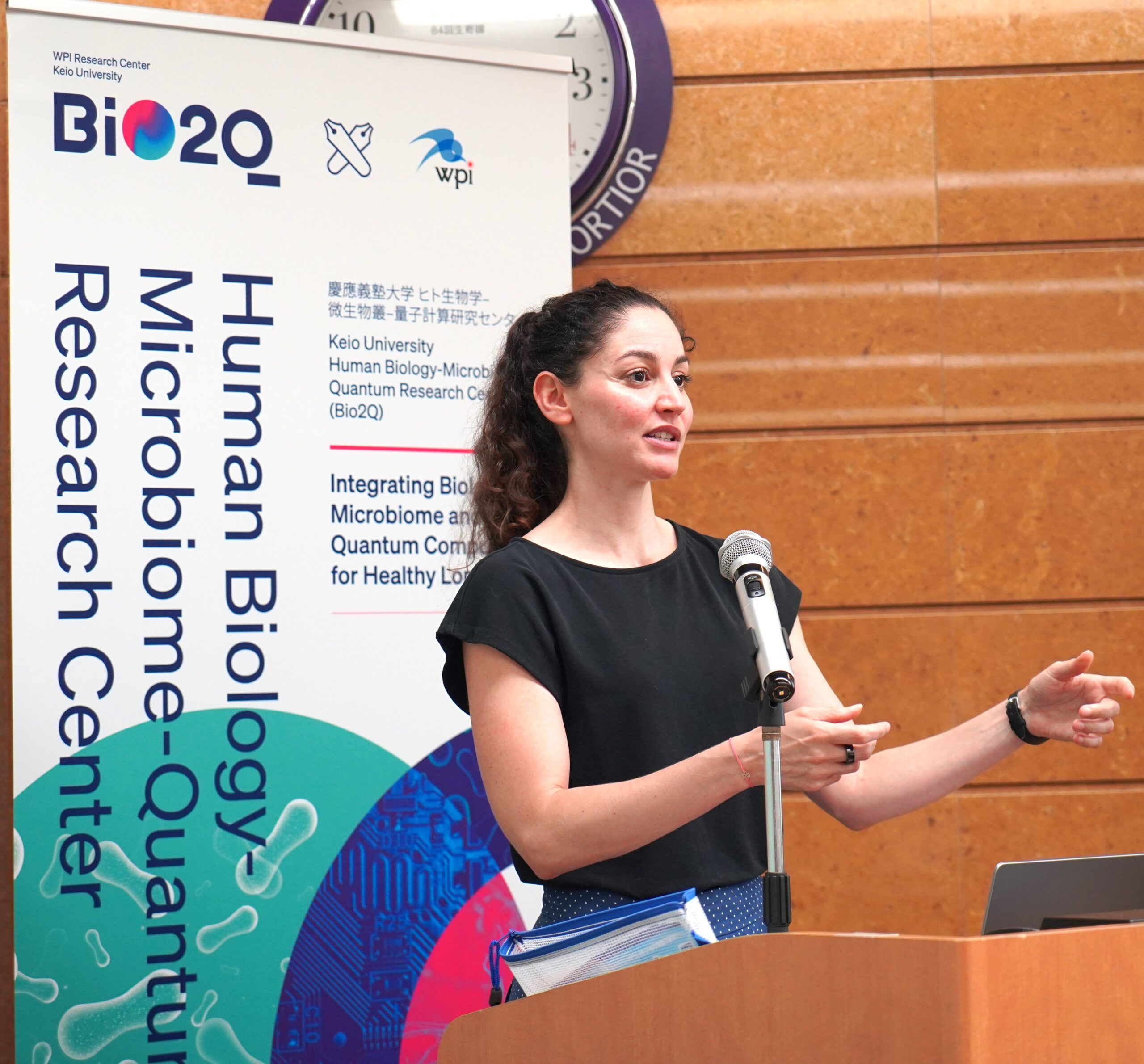
【Seminar Report】WPI-Bio2Q Open Seminar: Djenet Bousbaine, PhD
Keio University Human Biology-Microbiome-Quantum Research Center (WPI-Bio2Q) held a seminar as follows. Date:17:00 -18:00, October 1, 2026 Venue:1F Lounge, Center for Integrated Medical Research, Shinanomachi Campus, Keio University Speaker:Djenet Bousbaine, PhD Postdoctoral scholar Department of Bioengineering Stanford University, US Title:Engineering Skin Bacteria for Needle-Free ...
