





EVENT
【6/9 Seminar】WPI-Bio2Q Open Seminar: Alexandra (Sasha) Zhernakova, MD, PhD
June 9, 2026
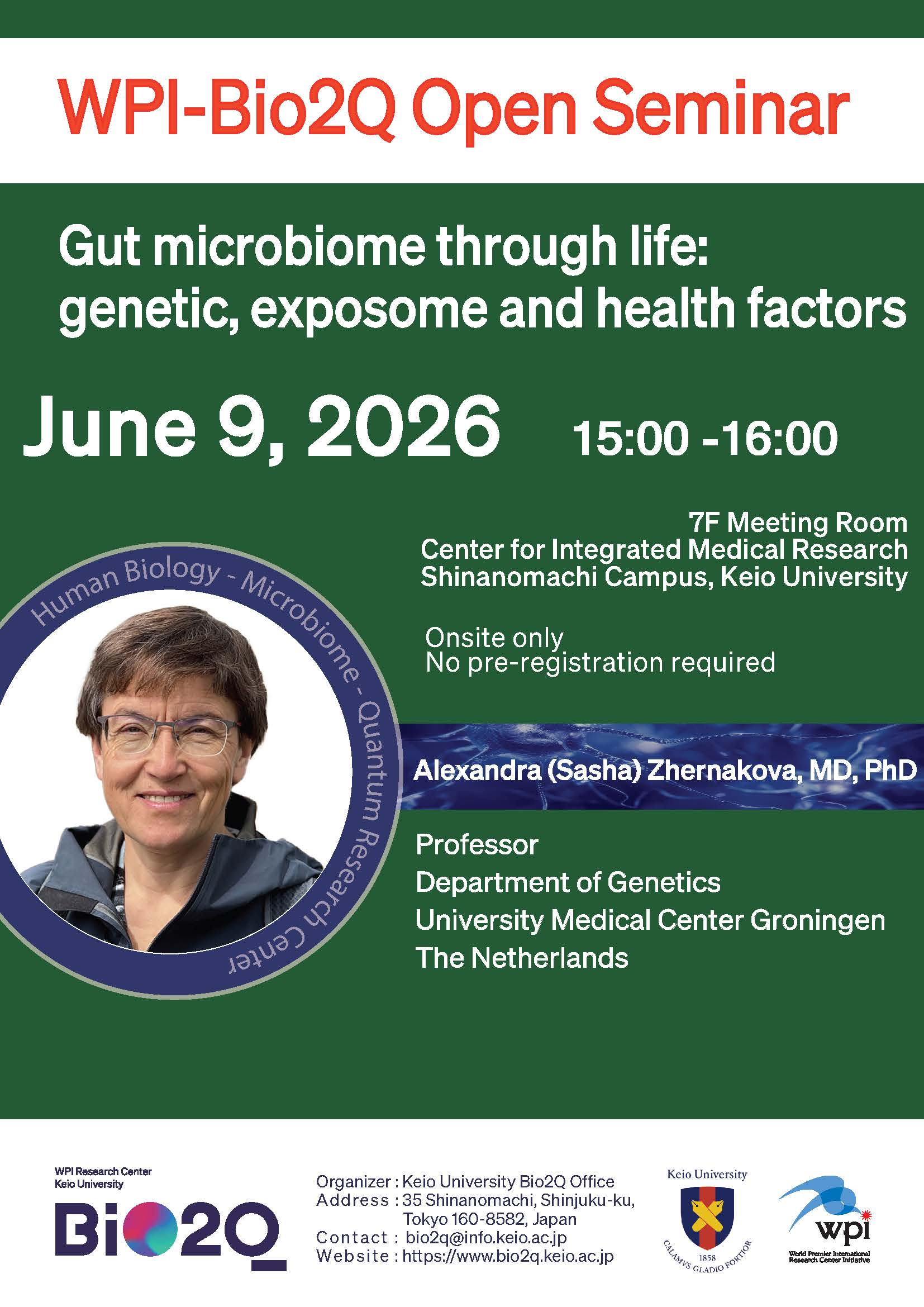
Poster
Credits: WPI-Bio2Q
Keio University Human Biology-Microbiome-Quantum Research Center (WPI-Bio2Q) will hold a seminar as follows.
This is an event for faculty, students, and staff of Keio University.
| Date&Time | 15:00 -16:00, June 9, 2026 |
|---|---|
| Venue | 7F Meeting Room, Center for Integrated Medical Research, Shinanomachi Campus, Keio University |
| Title | “Gut microbiome through life: genetic, exposome and health factors” |
| Speaker | Alexandra (Sasha) Zhernakova, MD, PhD Professor Department of Genetics University Medical Center Groningen The Netherlands |
| Language | English |
| Poster | JPG |
| Registration | Onsite only / No pre-registration required |
The gut microbiome is highly variable between individuals and is closely linked to health throughout life. In my group, we study how the gut microbiome develops from pregnancy to old age, and how different factors shape the gut ecosystem in health and disease.
In this lecture, I will first present our analyses of the large adult population cohort LifeLines, focusing on the roles of host genetics and environmental exposures in shaping the gut microbiome, and on how microbiome variation relates to disease. I will then discuss our major early-life project, the parent–infant cohort LLNEXT. LLNEXT includes 1,450 mother–infant pairs followed longitudinally from pregnancy through the first 12 months of life, with extensive multi-omics profiling. Our analyses show that early-life bacterial and viral communities are highly dynamic and are shaped primarily by delivery mode, feeding practices, parity, pre-pregnancy smoking, and duration of delivery. We find that infants share a substantial proportion of bacterial and viral strains with their mothers’ gut microbiota, while a smaller number of strains originate from maternal milk and the vaginal microbiome. We also identified associations between maternal and early-life microbial signatures and the development of eczema in infants.
Together, these findings provide new insights into the determinants of early-life microbiome development and its links to health during the first year of life.
SHARE




More Bio2Q News
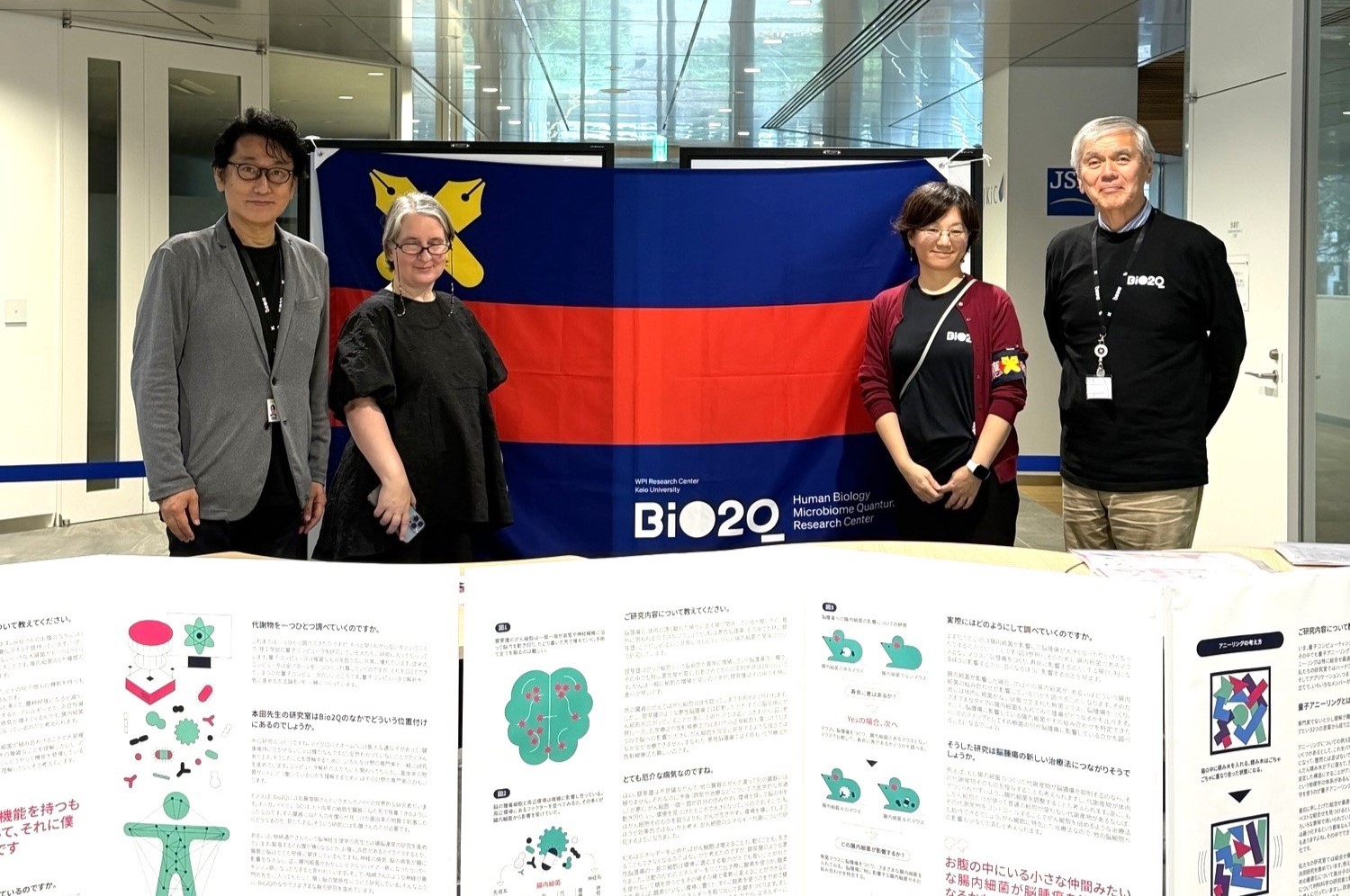
【Event】Participation in Keio University’s “Yotsuya Festival”
Keio University Human Biology-Microbiome-Quantum Research Center (WPI-Bio2Q) participated in the following event. Keio University Shinanomachi Campus “Yotsuya Festival” October 3 (Sat) 11:00 AM – 4:00 PM October 4 (Sun) 10:00 AM – 3:00 PM In addition to introducing Bio2Q’s research activities, we also hosted a Science Art Gallery on the day of the event. We welcomed 278 visitors and estab...
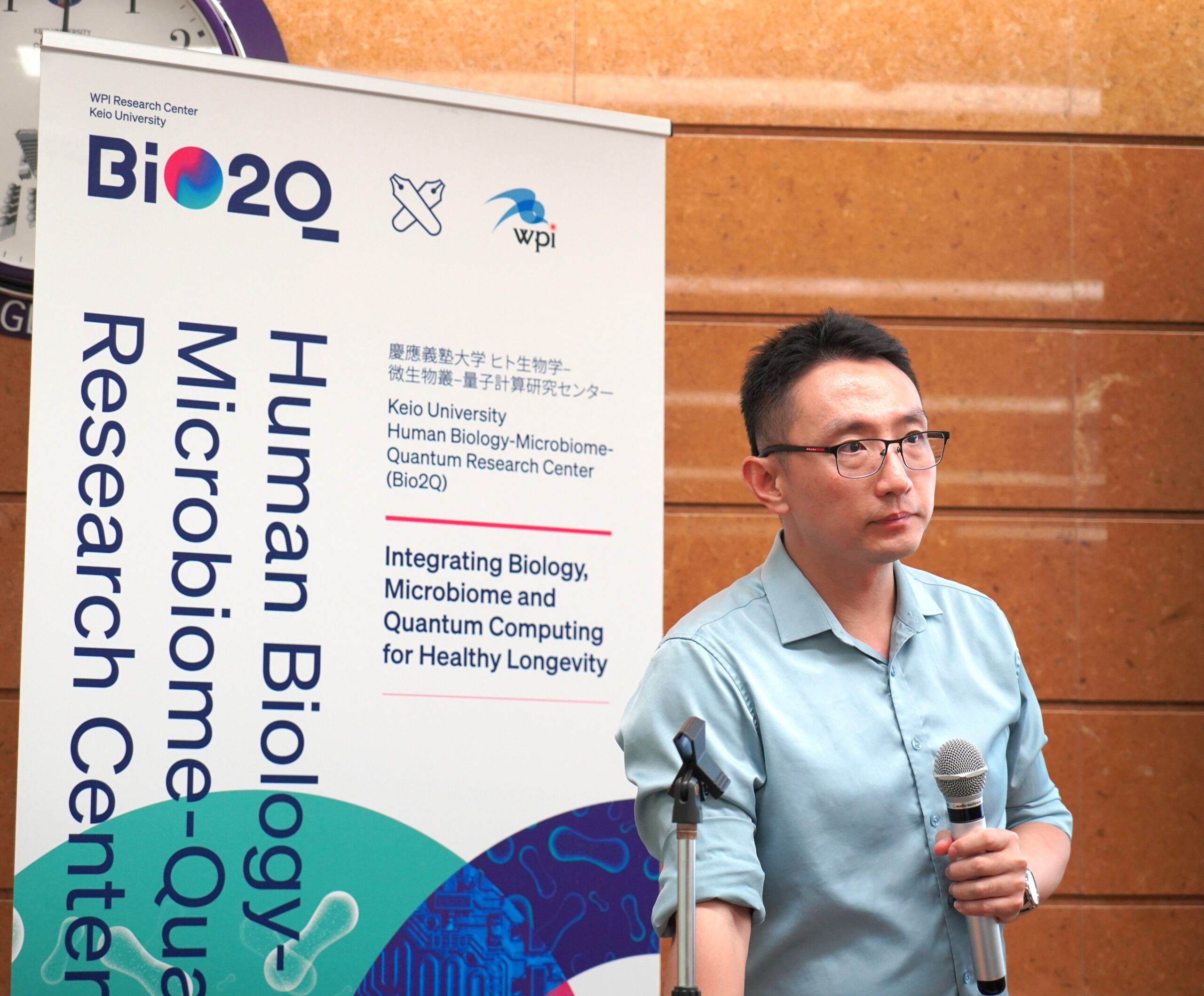
【Seminar Report】WPI-Bio2Q Open Seminar: Chun-Jun Guo, PhD
Keio University Human Biology-Microbiome-Quantum Research Center (WPI-Bio2Q) held a seminar as follows. Date:17:00 -18:00, October 6, 2026 Venue:1F Lounge, Center for Integrated Medical Research, Shinanomachi Campus, Keio University Speaker:Chun-Jun Guo, PhD Associate Professor Department of Microbiology &Immunology Weill Cornell Medicine Title:Using Genetics to Explore Microbe-Host...
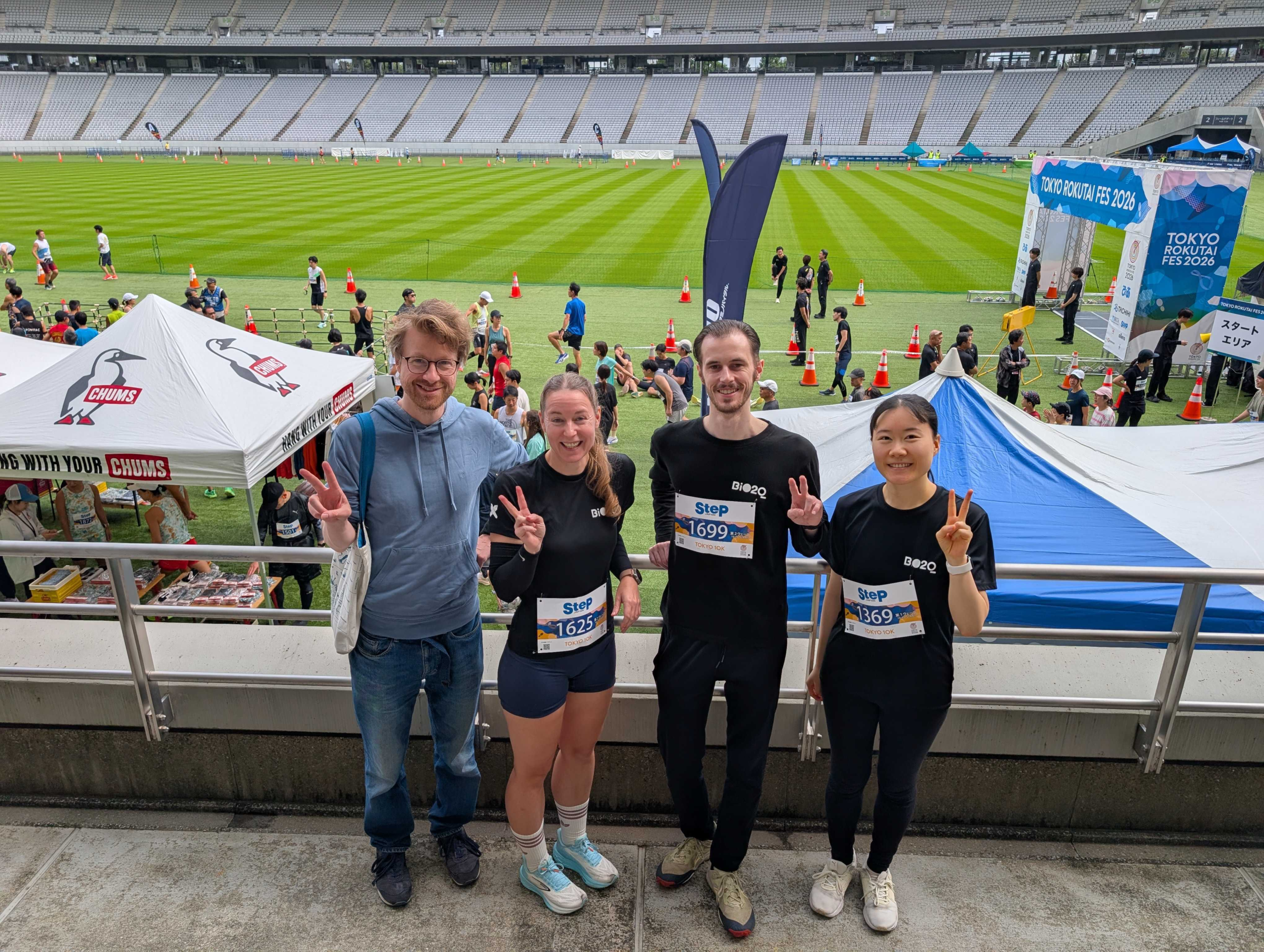
【Private Activity】Bio2Q Members Take Part in TOKYO ROKUTAI FES 2026
On Sunday, October 4th, members of the Keio University Human Biology-Microbiome-Quantum Computing Research Center (Bio2Q) participated in “TOKYO ROKUTAI FES 2026”, taking on the 10K run together! Researchers were joined by their family and friends, creating a fun and energetic atmosphere throughout the event. It was a great opportunity to stay active, challenge themselves, and strengthen connecti...
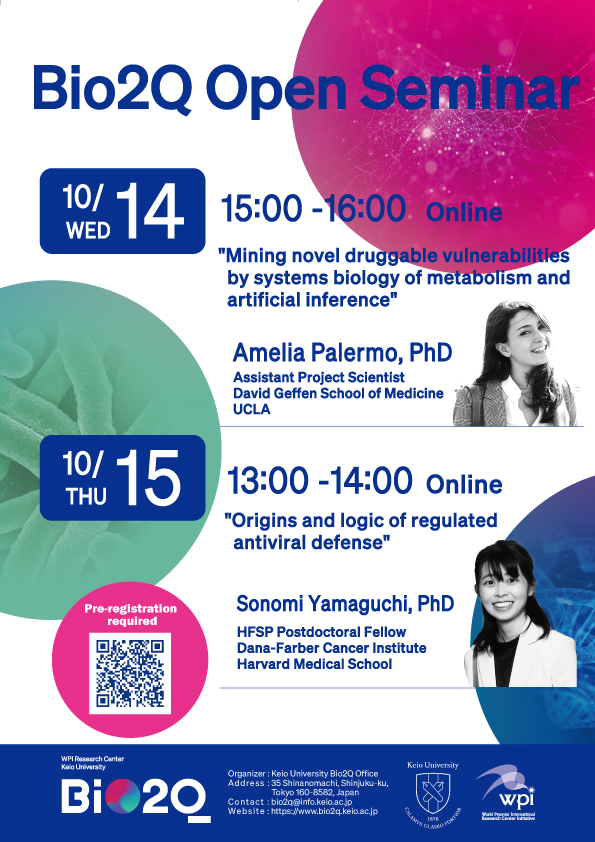
【10/14, 15 Seminar】 WPI-Bio2Q Open Seminar: Amelia Palermo, PhD&Sonomi Yamaguchi...
Keio University Human Biology-Microbiome-Quantum Research Center (WPI-Bio2Q) will hold seminars as follows. These events are only for faculty, students, and staff of Keio University, and pre-registration is required. Session #1 Date and Time Wednesday, October 14, 2026, 15:00-16:00 Title Mining novel druggable vulnerabilities by systems biology of metabolism and artificial inferenc...
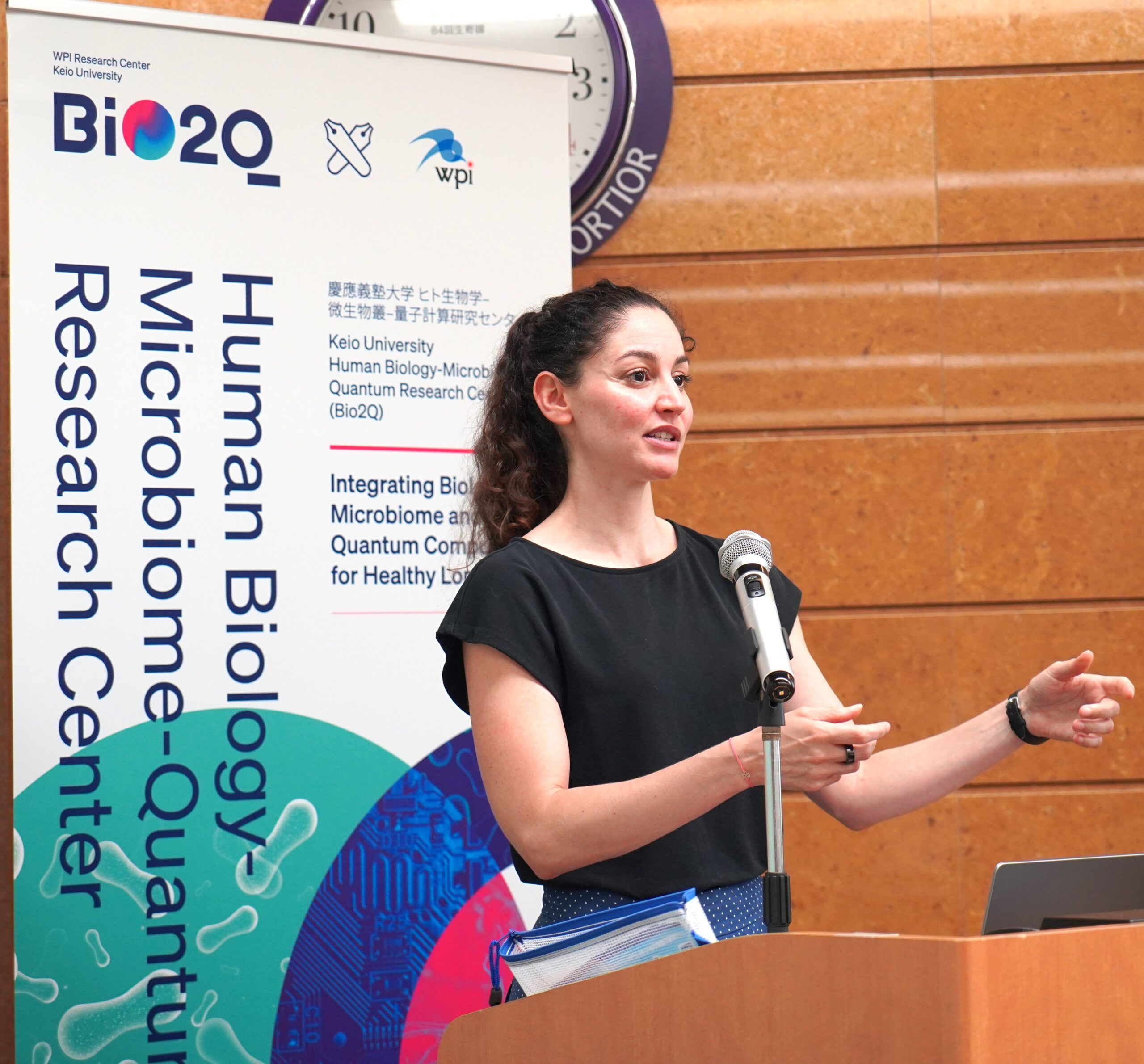
【Seminar Report】WPI-Bio2Q Open Seminar: Djenet Bousbaine, PhD
Keio University Human Biology-Microbiome-Quantum Research Center (WPI-Bio2Q) held a seminar as follows. Date:17:00 -18:00, October 1, 2026 Venue:1F Lounge, Center for Integrated Medical Research, Shinanomachi Campus, Keio University Speaker:Djenet Bousbaine, PhD Postdoctoral scholar Department of Bioengineering Stanford University, US Title:Engineering Skin Bacteria for Needle-Free ...
