





EVENT
【4/27 Seminar】WPI-Bio2Q Open Seminar: Soumya Raychaudhuri, MD, PhD
April 9, 2026
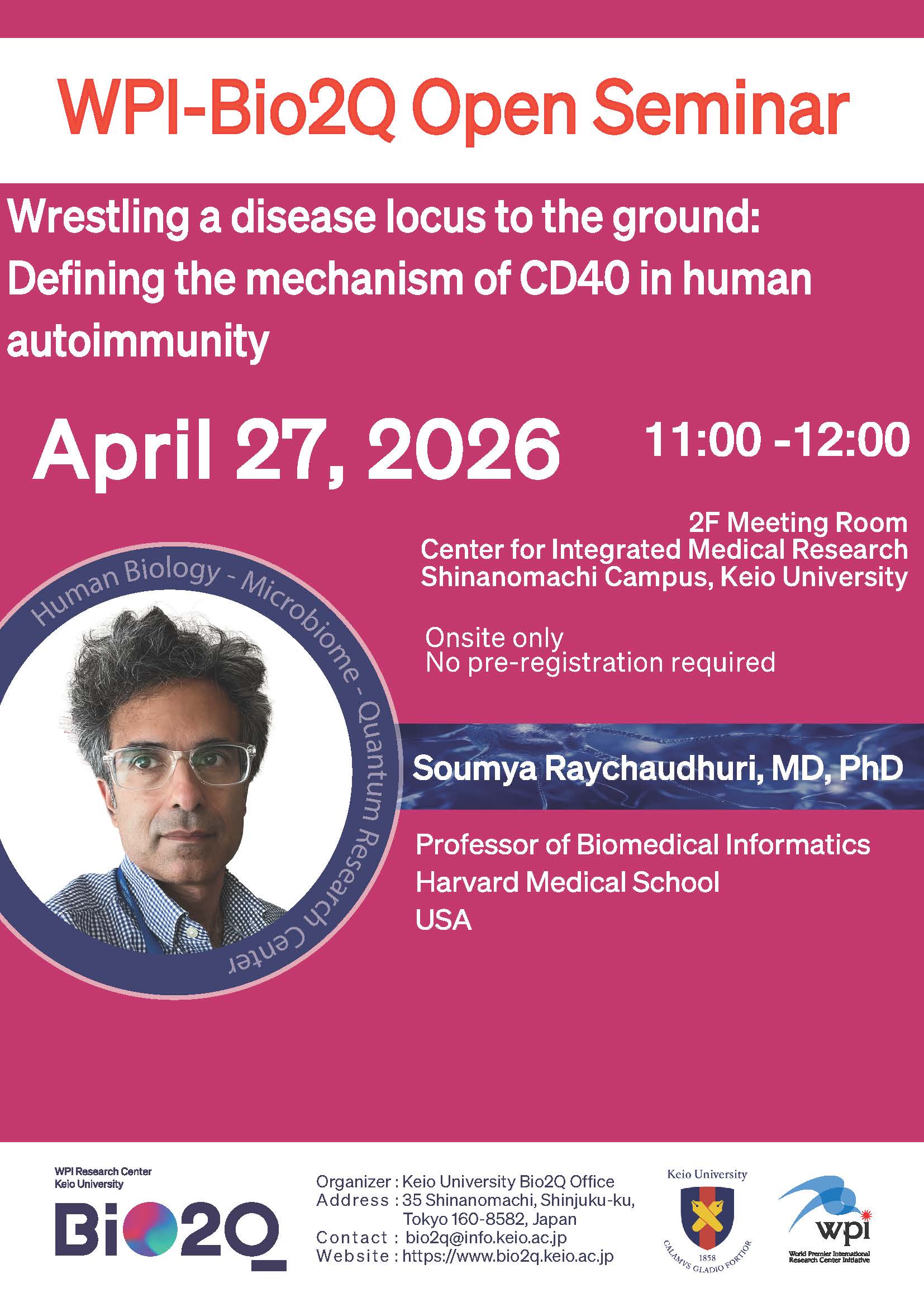
Poster
Credits: WPI-Bio2Q
Keio University Human Biology-Microbiome-Quantum Research Center (WPI-Bio2Q) will hold a seminar as follows.
This is an event for faculty, students, and staff of Keio University.
| Date & Time | 11:00~12:00, April 27, 2026 |
|---|---|
| Venue | 2F Meeting Room, Center for Integrated Medical Research, Shinanomachi Campus, Keio University |
| Title | “Wrestling a disease locus to the ground: Defining the mechanism of CD40 in human autoimmunity” |
| Speaker | Soumya Raychaudhuri, MD, PhD Professor of Biomedical Informatics Harvard Medical School USA |
| Language | English |
| Poster | JPEG |
| Registration | No pre-registration required for on-site participation. |
Translating statistical associations from GWAS into biological mechanisms remains a formidable challenge. For example, we and others have established the CD40 locus as a major risk factor for autoimmune conditions like rheumatoid arthritis and multiple sclerosis.
In this talk, I describe multidisciplinary strategies to define disease mechanisms, specifically using dynamic eQTL mapping in single cells. By modeling genetic effects across continuous cell-state trajectories, we capture regulatory signals that emerge only during specific stages of immune activation. We apply this to autoimmune loci, and immune cell states – including the CD40 locus.
We apply our novel CRAFT-seq platform, which enables us to link the effects of base-pair resolution CRISPR edits to simultaneous single-cell transcriptomic and surface-protein outputs. Our data reveal a protective SNP that disrupts a Kozak sequence, selectively reducing CD40 protein levels without altering mRNA expression. This reduction raises the threshold for B cell activation and triggers significant trans-regulatory effects that are most prominent in activated naive B cells. In this specific context, the SNP suppresses gene modules essential for downstream signaling. These findings demonstrate how subtle non-coding variation scales into systemic disease. They provide a blueprint for how non-coding variants can be used to define disease mechanisms.
SHARE




More Bio2Q News
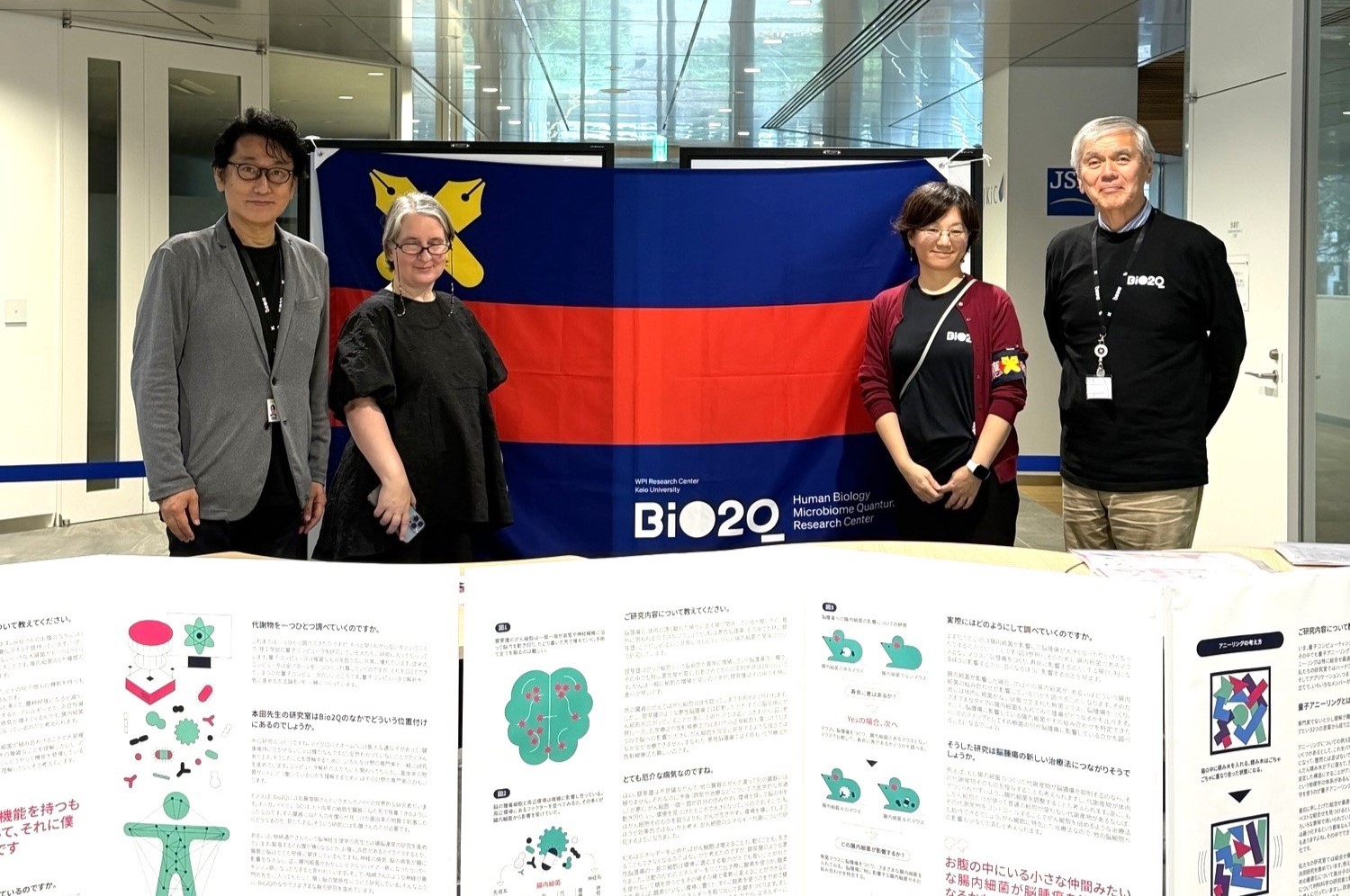
【Event】Participation in Keio University’s “Yotsuya Festival”
Keio University Human Biology-Microbiome-Quantum Research Center (WPI-Bio2Q) participated in the following event. Keio University Shinanomachi Campus “Yotsuya Festival” October 3 (Sat) 11:00 AM – 4:00 PM October 4 (Sun) 10:00 AM – 3:00 PM In addition to introducing Bio2Q’s research activities, we also hosted a Science Art Gallery on the day of the event. We welcomed 278 visitors and estab...
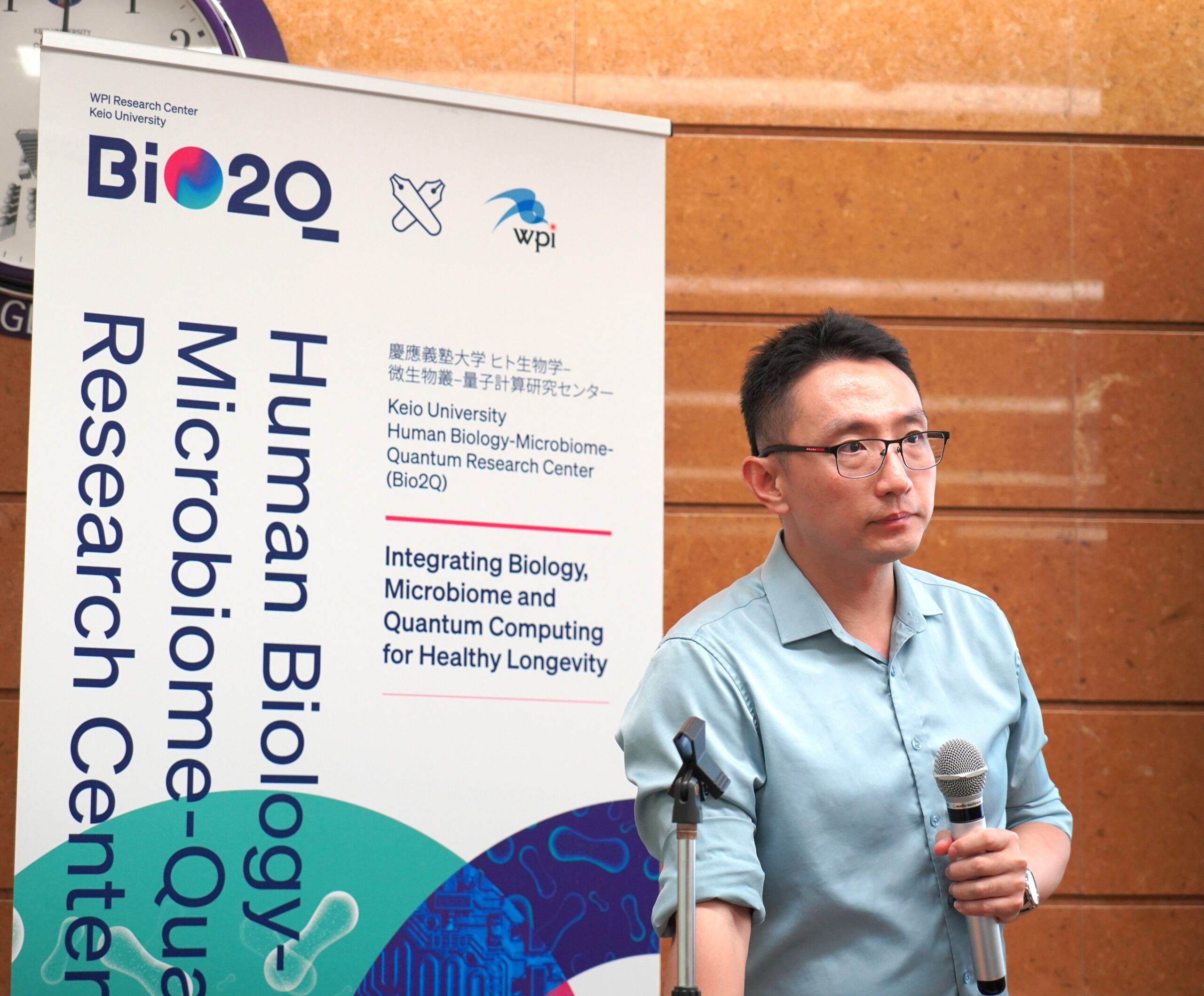
【Seminar Report】WPI-Bio2Q Open Seminar: Chun-Jun Guo, PhD
Keio University Human Biology-Microbiome-Quantum Research Center (WPI-Bio2Q) held a seminar as follows. Date:17:00 -18:00, October 6, 2026 Venue:1F Lounge, Center for Integrated Medical Research, Shinanomachi Campus, Keio University Speaker:Chun-Jun Guo, PhD Associate Professor Department of Microbiology &Immunology Weill Cornell Medicine Title:Using Genetics to Explore Microbe-Host...
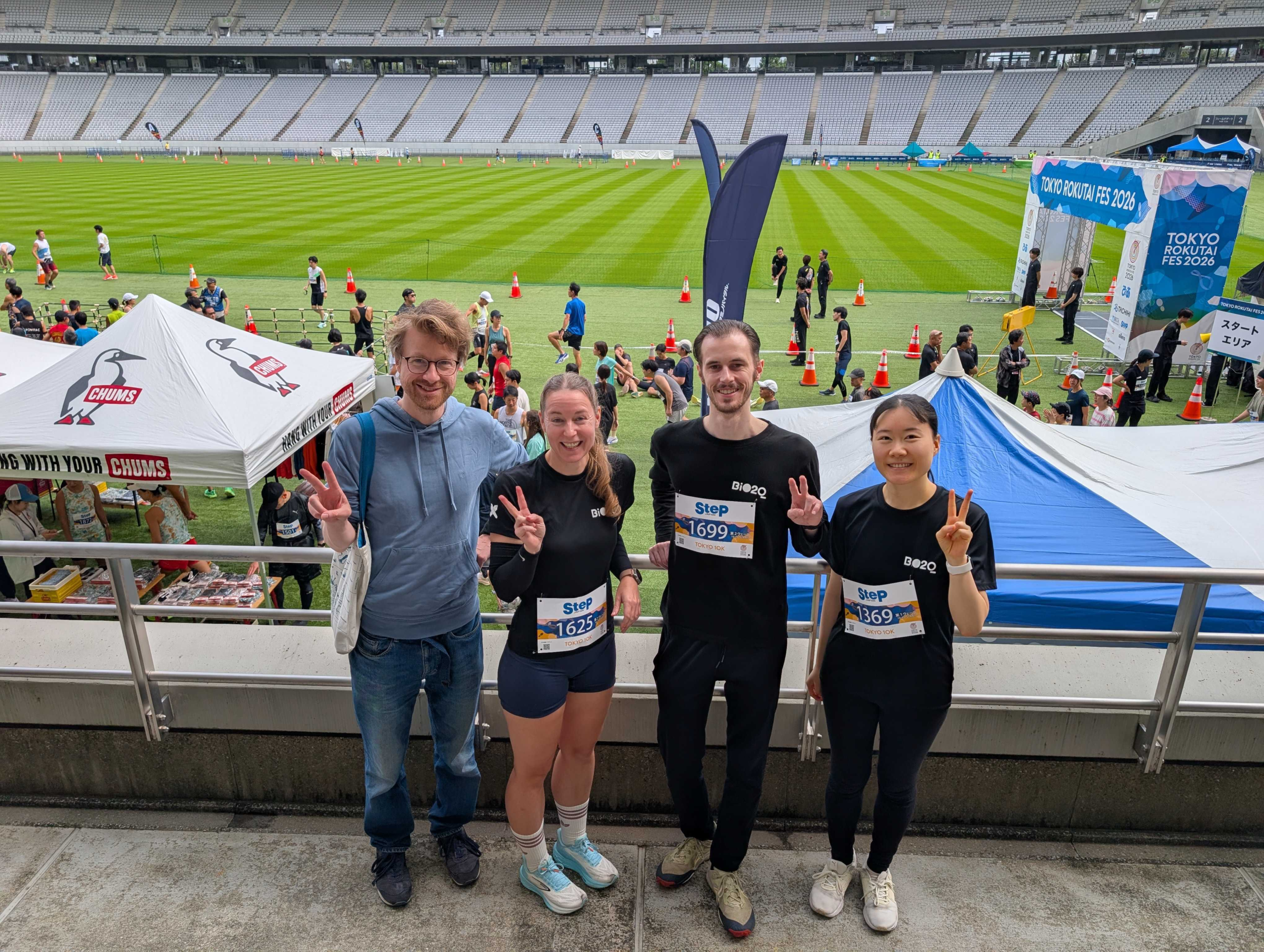
【Private Activity】Bio2Q Members Take Part in TOKYO ROKUTAI FES 2026
On Sunday, October 4th, members of the Keio University Human Biology-Microbiome-Quantum Computing Research Center (Bio2Q) participated in “TOKYO ROKUTAI FES 2026”, taking on the 10K run together! Researchers were joined by their family and friends, creating a fun and energetic atmosphere throughout the event. It was a great opportunity to stay active, challenge themselves, and strengthen connecti...
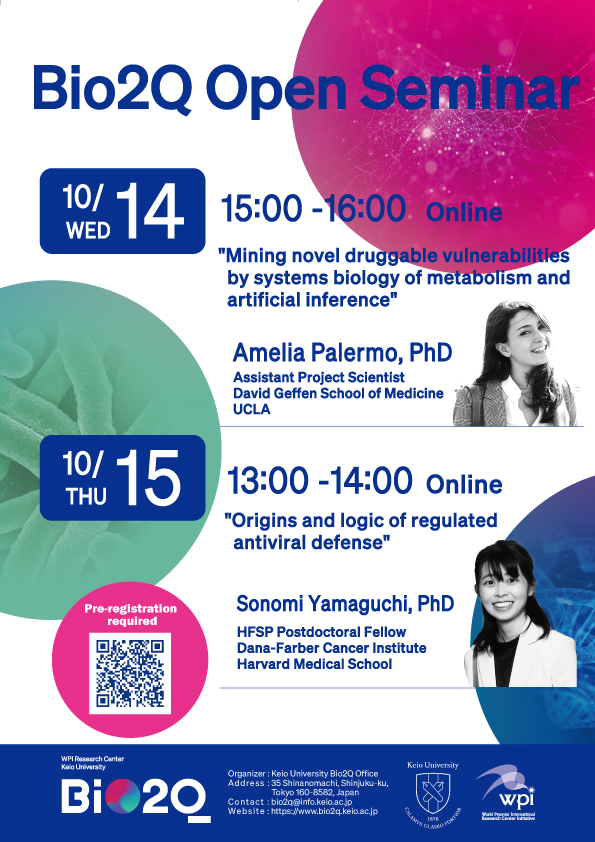
【10/14, 15 Seminar】 WPI-Bio2Q Open Seminar: Amelia Palermo, PhD&Sonomi Yamaguchi...
Keio University Human Biology-Microbiome-Quantum Research Center (WPI-Bio2Q) will hold seminars as follows. These events are only for faculty, students, and staff of Keio University, and pre-registration is required. Session #1 Date and Time Wednesday, October 14, 2026, 15:00-16:00 Title Mining novel druggable vulnerabilities by systems biology of metabolism and artificial inferenc...
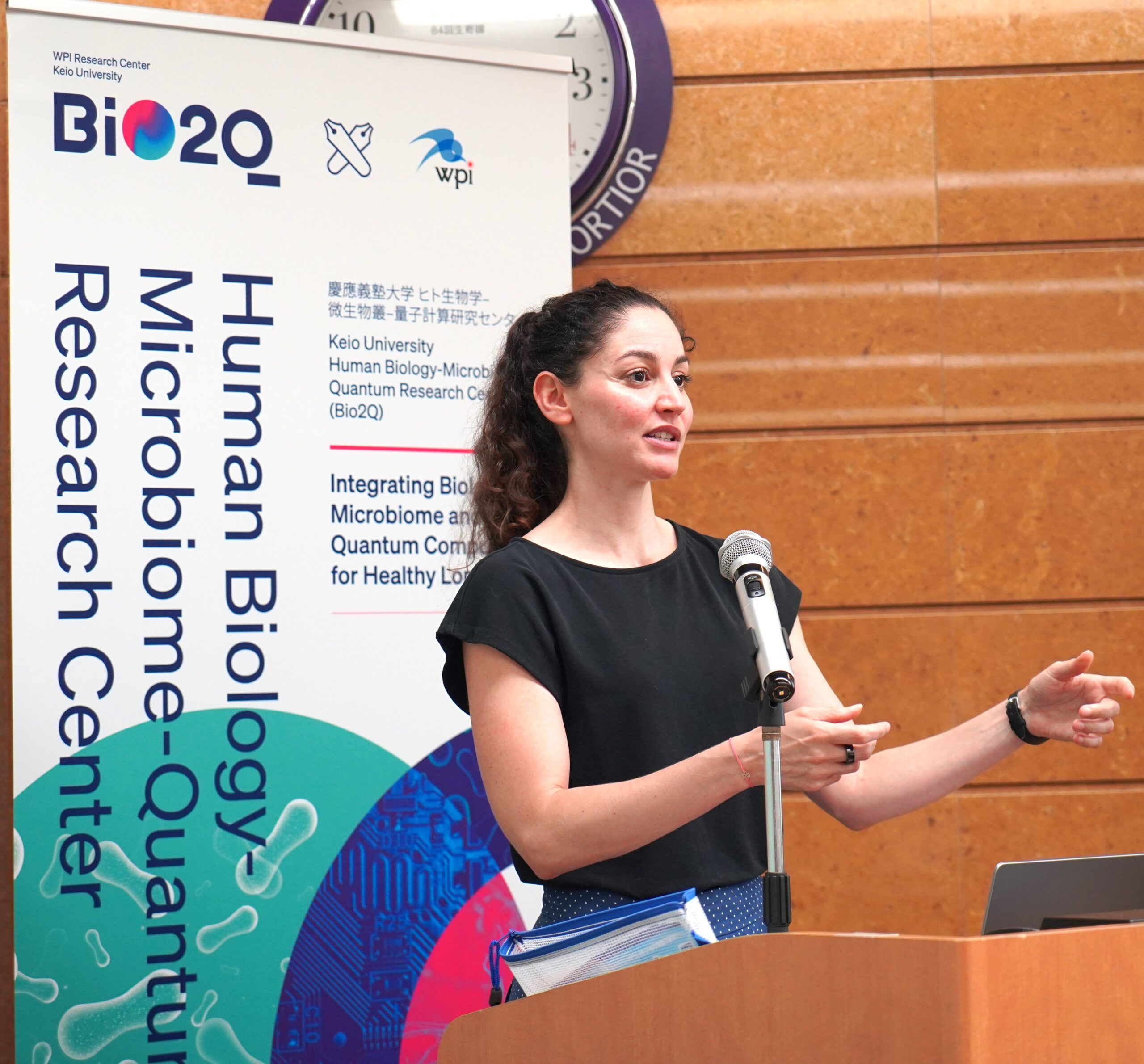
【Seminar Report】WPI-Bio2Q Open Seminar: Djenet Bousbaine, PhD
Keio University Human Biology-Microbiome-Quantum Research Center (WPI-Bio2Q) held a seminar as follows. Date:17:00 -18:00, October 1, 2026 Venue:1F Lounge, Center for Integrated Medical Research, Shinanomachi Campus, Keio University Speaker:Djenet Bousbaine, PhD Postdoctoral scholar Department of Bioengineering Stanford University, US Title:Engineering Skin Bacteria for Needle-Free ...
