





EVENT
【Seminar Report】WPI-Bio2Q Open Seminar
November 20, 2025
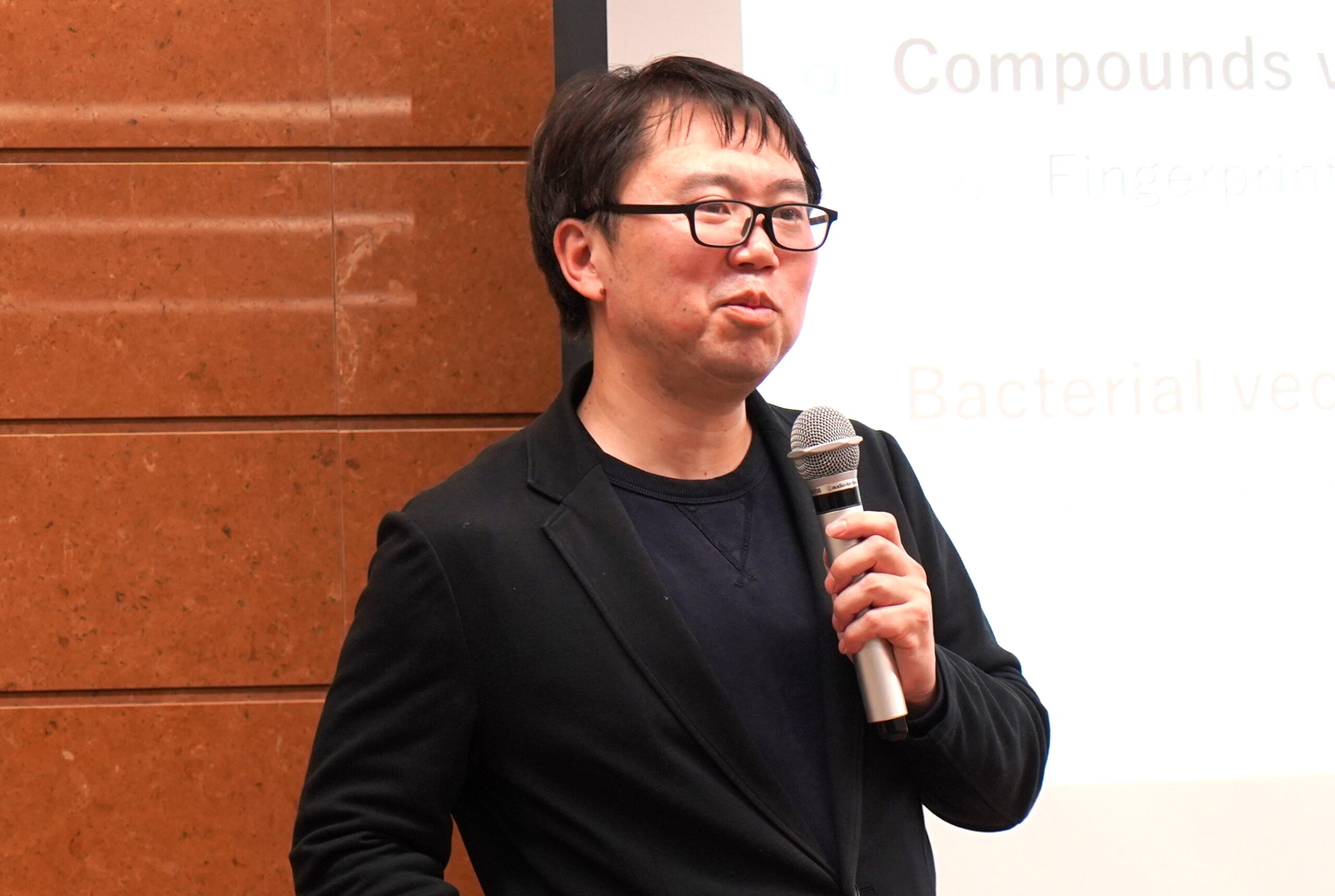
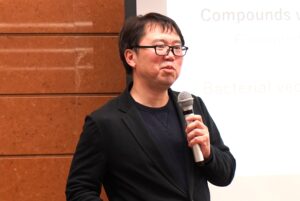
Dr. Takuji Yamada
Credits: WPI-Bio2Q
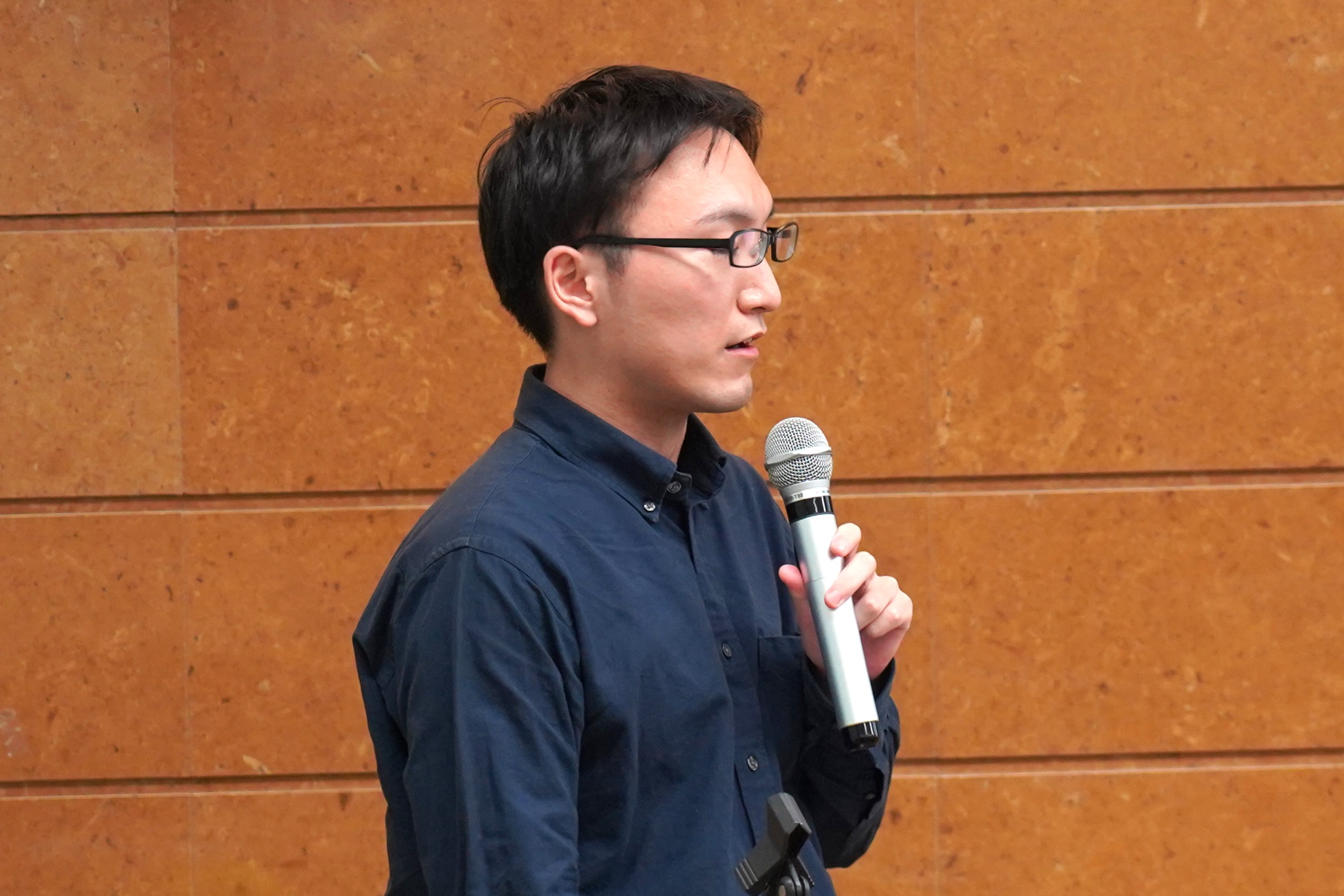
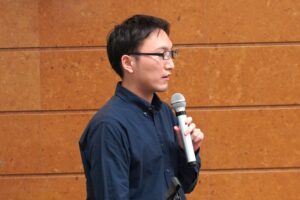
Dr. Keisuke Hirota
Credits: WPI-Bio2Q
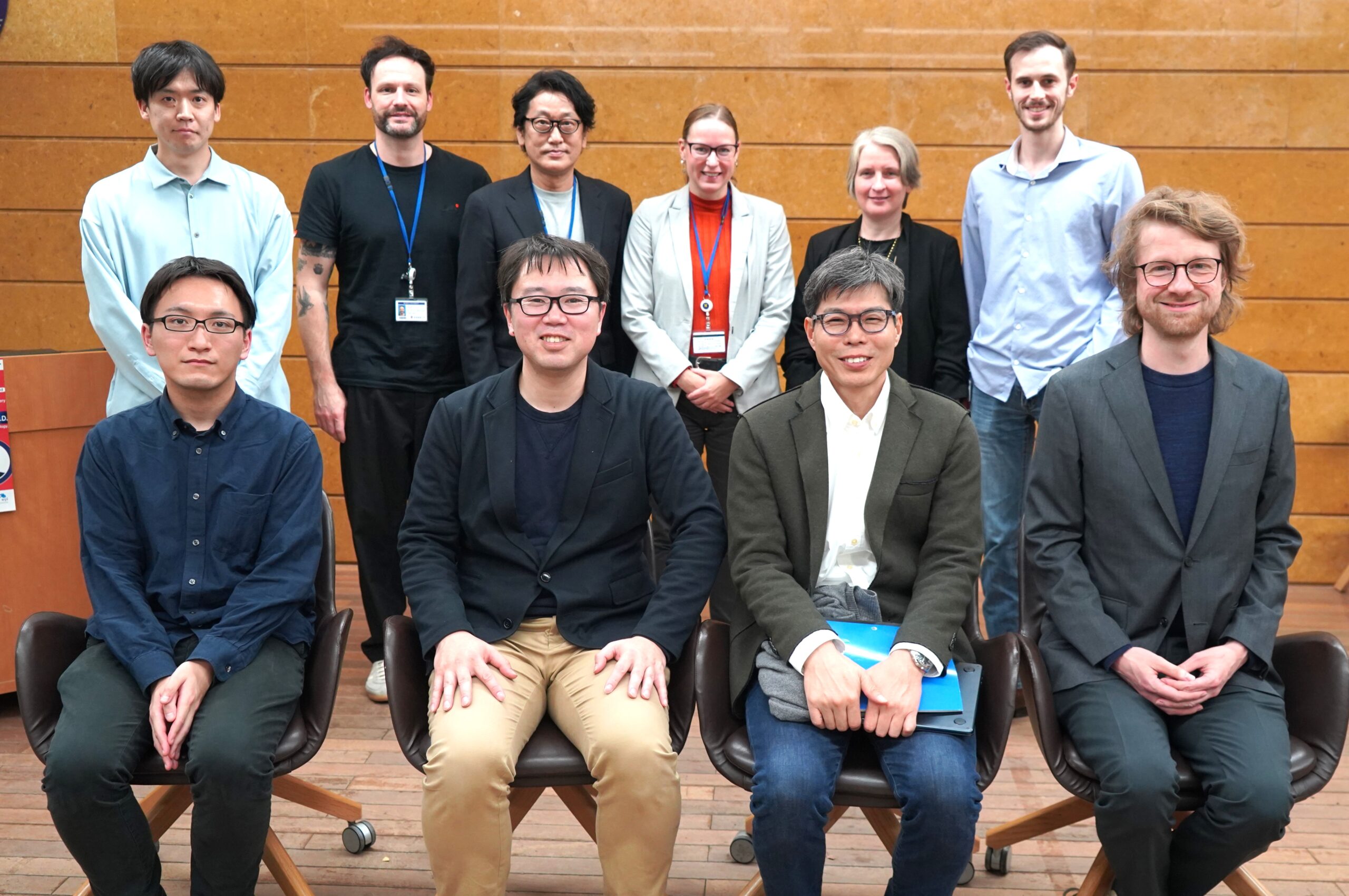
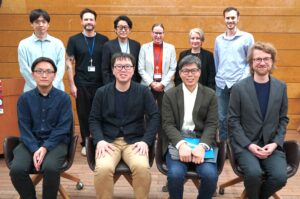
Group photo
Credits: WPI-Bio2Q
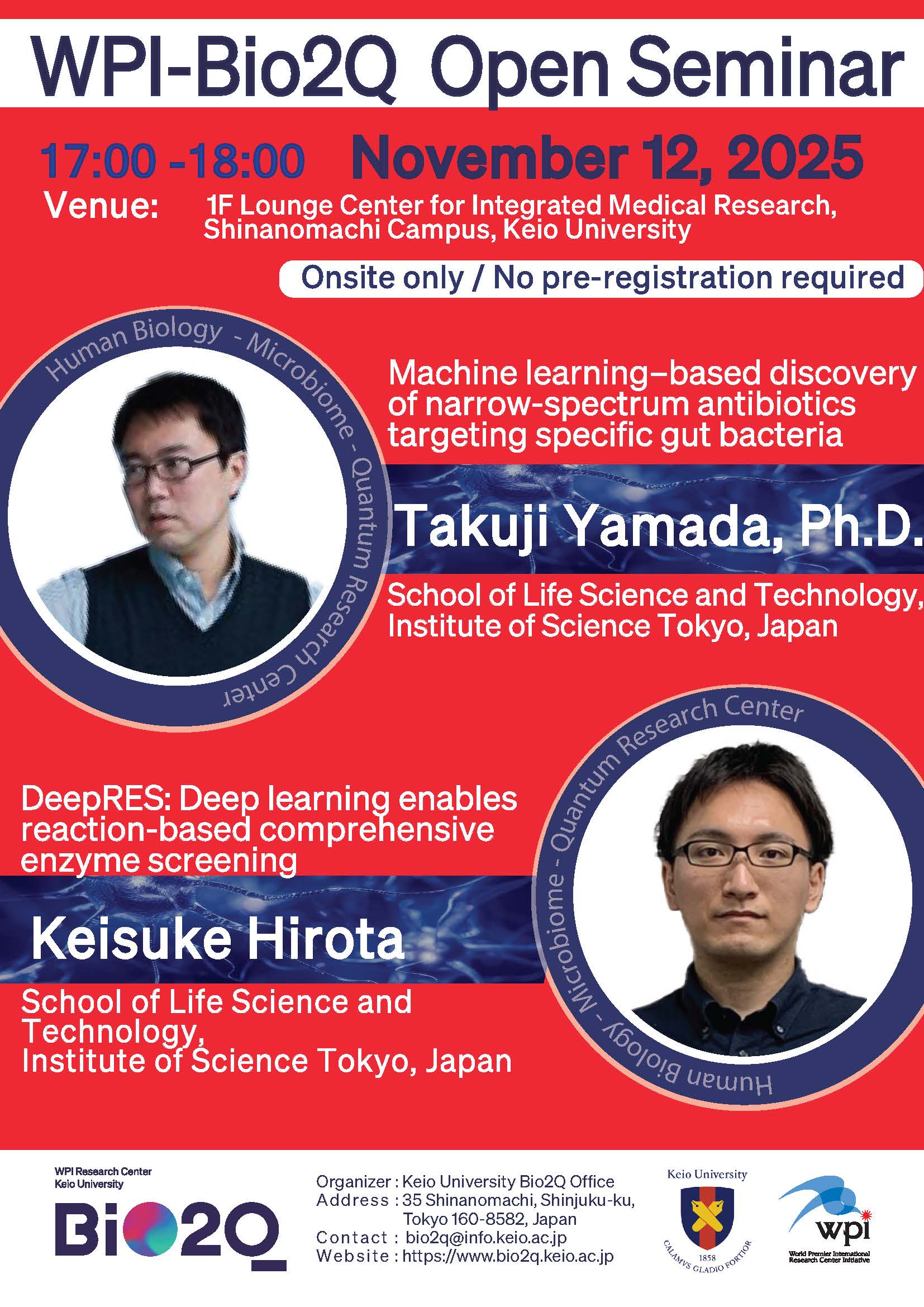
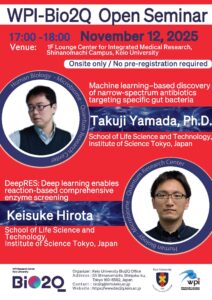
Poster
Credits: WPI-Bio2Q
Keio University Human Biology-Microbiome-Quantum Research Center (WPI-Bio2Q) held a seminar as follows.
17:00 -18:00 November 12, 2025
Venue: 1F Lounge Center for Integrated Medical Research, Shinanomachi Campus, Keio University
Talk 1
Speaker:
Takuji Yamada, Ph.D.
School of Life Science and Technology, Institute of Science Tokyo, Japan
Title: Machine learning–based discovery of narrow-spectrum antibiotics targeting specific gut bacteria
Abstract:
Research on the human gut environment has identified numerous disease-associated bacterial species. In many cases, there is a strong need to selectively eliminate specific pathogenic bacteria; however, therapeutic options remain limited. While antibiotics are indispensable for infection control, broad-spectrum antibiotics often disrupt the gut microbiota, leading to adverse effects such as Clostridioides difficile infection and the spread of antimicrobial resistance. Therefore, the development of narrow-spectrum antibiotics that specifically target individual bacterial species is highly desirable but remains technically and economically challenging.
In this study, we developed machine learning models that integrate compound structural information with bacterial genomic profiles to predict antimicrobial spectra and discover narrow-spectrum antibiotic candidates. First, we constructed deep neural network (DNN) models for each bacterial species using experimental growth data for 1,197 compounds across 44 bacterial species. Using compound embeddings as input, the models achieved an average F1 score of 0.608. When applied to external datasets (FooDB and ChEBI), the models identified compounds that selectively inhibited specific species such as Ruminococcus gnavus. Experimental validation confirmed predicted antibacterial activity for compounds including γ-oryzanol, with an overall agreement rate of 61.1%.
These findings demonstrate that AI approaches utilizing chemical representations and language model–like embeddings are powerful tools for identifying species-selective antibacterial agents, offering a promising path toward next-generation antibiotics that treat infections while preserving the microbiome.
Talk 2
Speaker:
Keisuke Hirota
School of Life Science and Technology, Institute of Science Tokyo, Japan
Title: DeepRES: Deep learning enables reaction-based comprehensive enzyme screening
Abstract:
Enzymes accelerate biochemical reactions in living organisms, thus playing an important role in metabolism. Although metabolic pathway databases are growing, many metabolic reactions, termed orphan enzymes, have not been annotated to gene sequences. Moreover, protein databases contain many proteins of unknown function. Owing to this gap between known proteins and enzymatic reactions, various proteins of unknown function may be orphan enzymes; however, available tools cannot adequately predict these links. In this study, we developed DeepRES, an AI-based framework for comprehensive enzyme screening, to explore novel enzyme candidates from proteins of unknown function for reactions of interest. DeepRES implements enzyme screening via two steps: classification of enzymes and non-enzymes and prediction of catalytic capabilities for enzyme‒reaction pairs. We performed screening of 1,255 orphan enzymes involved in the microbiome using DeepRES and successfully identified candidate proteins for 897 orphan enzymes. Comprehensive enzyme screening via DeepRES, which is the first computational tool designed to associate orphan enzymes with proteins of unknown function, is expected to facilitate high-throughput identification of orphan enzyme-encoding genes. Furthermore, DeepRES can be easily integrated into the current genomic analysis pipeline to extend the functional annotation.
SHARE




More Bio2Q News
【Publication】Microbiome-dependent phytosterol sulfates production and tissue dis...
Researchers from Bio2Q and Keio University have demonstrated that gut bacteria convert dietary plant sterols into compounds known as phytosterol sulfates. These metabolites can accumulate in multiple organs, their levels increasing with age. These findings reveal a previously unknown connection between gut microbial activity and the distribution of dietary compounds in the body, providing new insi...
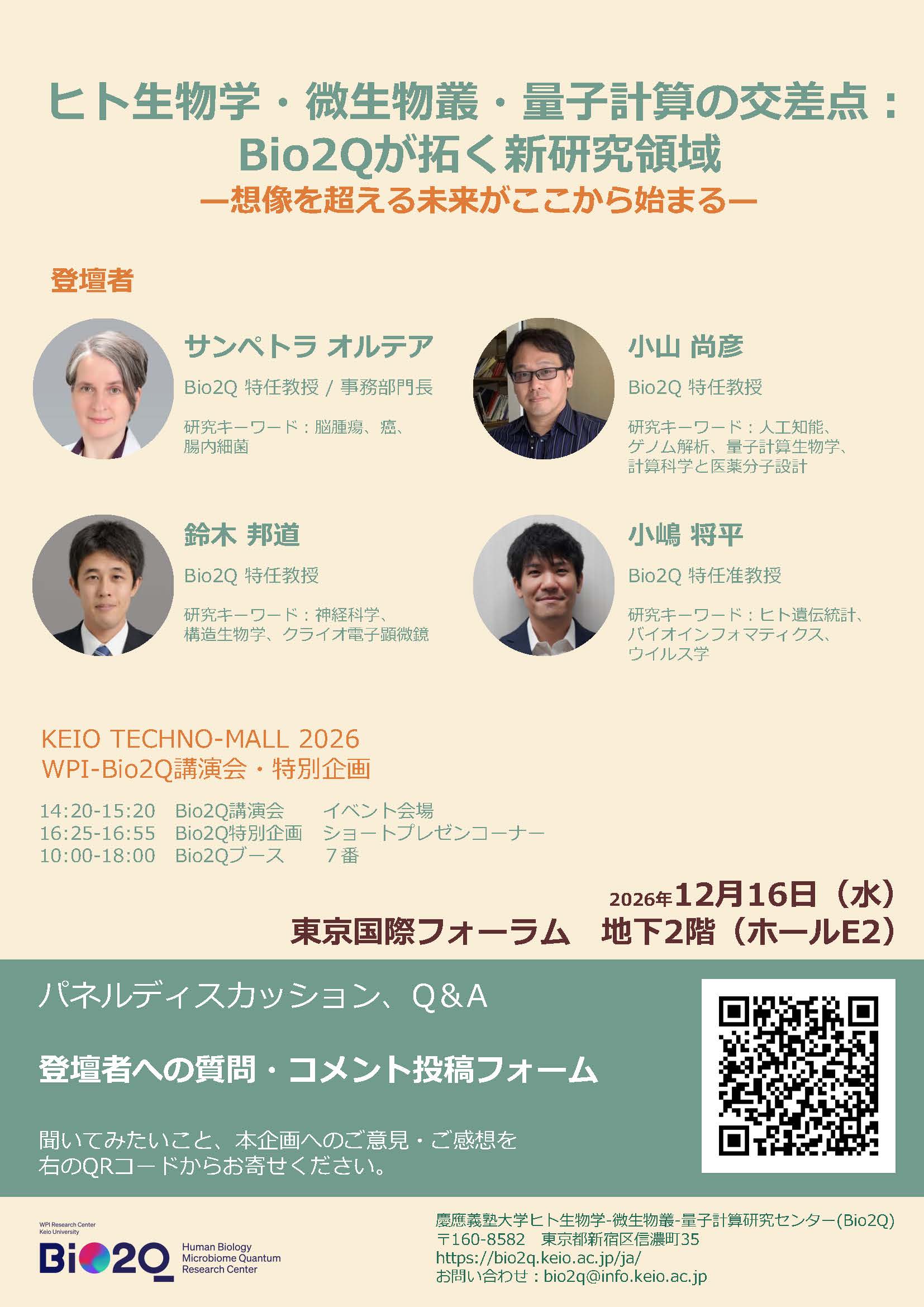
[Event] WPI-Bio2Q to Exhibit at KEIO TECHNO-MALL 2026
Keio University Human Biology-Microbiome-Quantum Research Center (Bio2Q) will exhibit at KEIO TECHNO-MALL 2026 (The 27th Keio Science and Technology Exhibition) on Wednesday, December 16, 2026. Through this exhibition, Bio2Q strives to serve as a hub connecting our center with society and sparking diverse collaborative opportunities. We are offering three key programs—a Lecture, a Special Event...
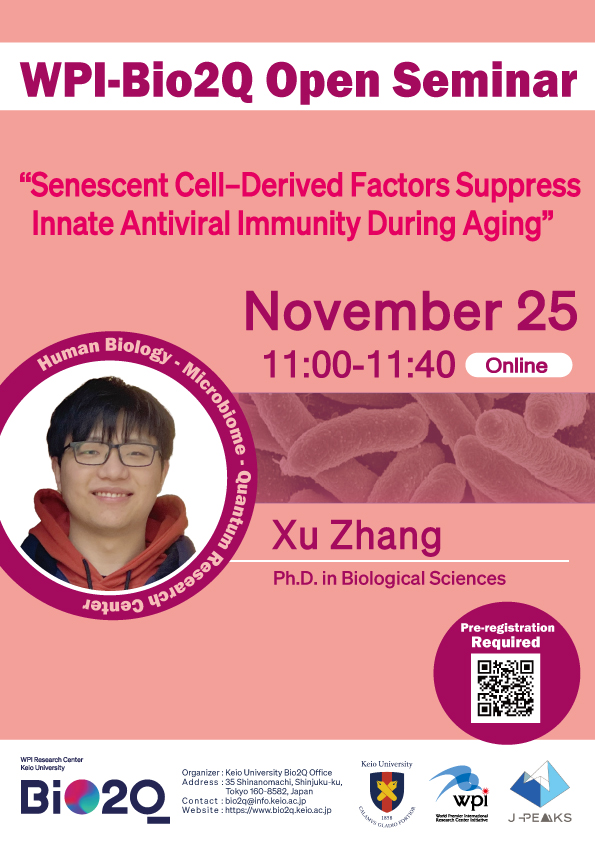
【Nov. 25 Seminar】 WPI-Bio2Q Open Seminar: Xu Zhang, PhD(for Keio Members)
Keio University Human Biology-Microbiome-Quantum Research Center (WPI-Bio2Q) will hold a seminar as follows. This event is only for faculty, students, and staff of Keio University. Date and Time Wednesday, November 25, 2026, 11:00-11:40 Format Zoom (Online only) Title Senescent Cell–Derived Factors Suppress Innate Antiviral Immunity During Aging Speaker Xu Zha...
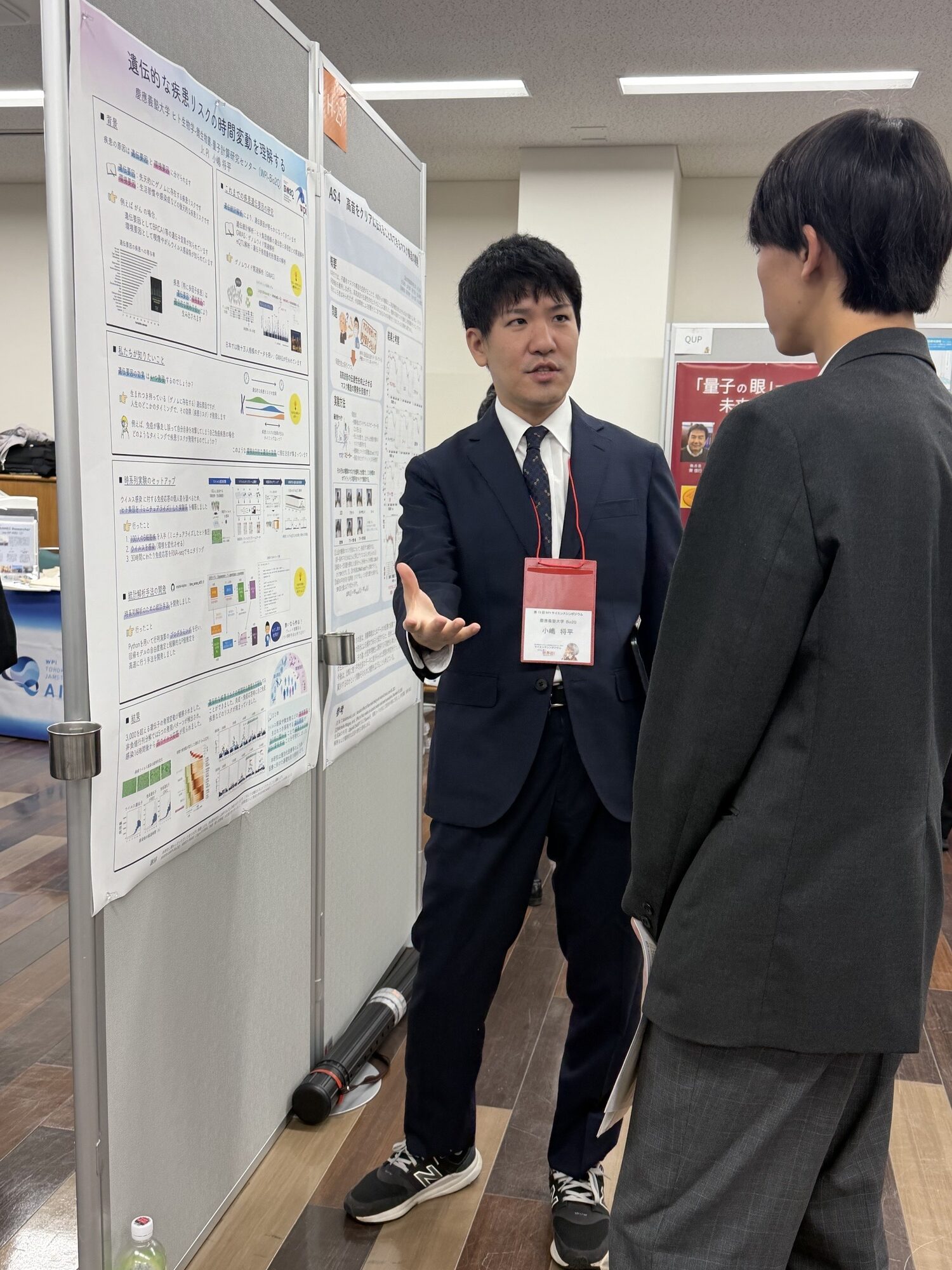
【Event Report】Bio2Q Participates in the 15th WPI Science Symposium, Engaging wit...
On Saturday, November 14, 2026, the 15th WPI Science Symposium, themed “World Premieres Born from Me! ~Science I Want to Share with Someone~,” was held at the Osaka University Convention Center in Suita, Osaka, hosted by the Osaka University Premium Research Institute for Human Metaverse Medicine (WPI-PRIMe). The event featured a special lecture by Prof. Shimon Sakaguchi (Distinguished University ...

WPI-Bio2Q now recruiting administrative staff– Deadline: January 11, 2027
WPI-Bio2Q Administrative Office is currently hiring administrative staff. We look forward to receiving applications from candidates with English proficiency who can support international researchers and anticipate to work at Bio2Q Administrative Office. Application Deadline: January 11, 2027 For more details, please refer to the application information at the link below, Application Info...
