





RESEARCH
【Publication】Identification and characterization of CXCL13 producers in bone tissue in response to fasting
September 2, 2026
Credits: WPI-Bio2Q
Credits: Okawa et al., 2026
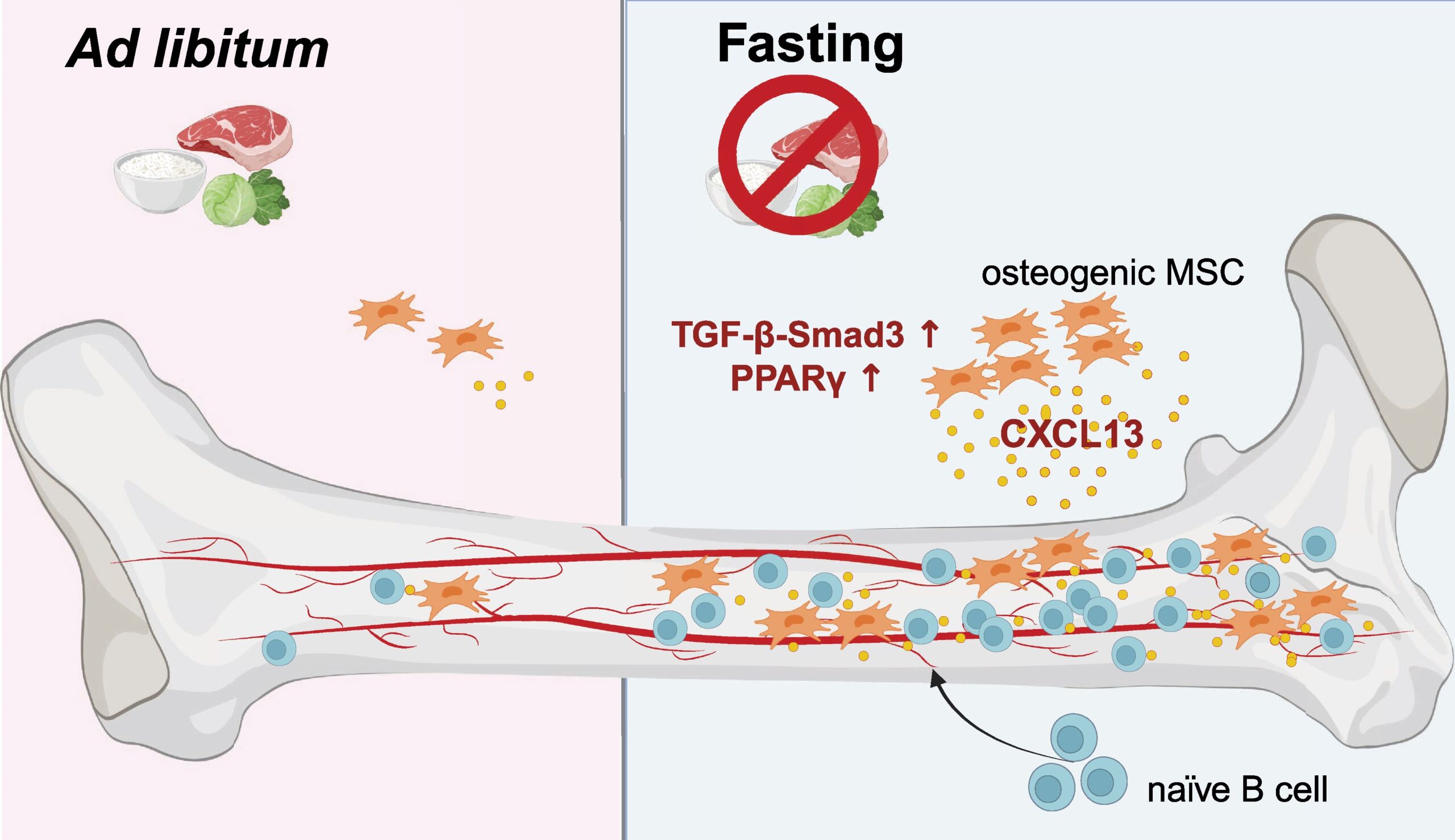
Co-authored by researchers from Bio2Q and published in the journal International Immunology, this study clarifies how fasting alters the immune environment within bone marrow and promotes the migration of specific immune cells (naive B cells). The researchers identified a series of pathways in which metabolic changes accompanying fasting induce bone cells to secrete signaling molecules that attract these immune cells. Consequently, this work contributes to a deeper understanding of how the body’s energy status and immune system work in tandem.
| Title | Identification and characterization of CXCL13 producers in bone tissue in response to fasting |
|---|---|
| Authors | Takuma Okawa 1, Motoyoshi Nagai 1 2, Shinya Fujita 3, Koichiro Suzuki 1, Kazuaki Nakata 2, Reina Miyajima 1, Hiroaki Shiratori 1, Seiga Komiyama 1, Daisuke Takahashi 1, Yuki I Kawamura 2 4, Taeko Dohi 1, Burkhard Ludewig 5, Keiyo Takubo 3 6, Koji Hase 1 7 8 9 |
| Short Description |
This study, co-authored by researchers from Bio2Q and Keio University, reveals how fasting reshapes the bone marrow immune environment to promote the migration of naïve B cells. During fasting, naïve B cells temporarily relocate from Peyer’s patches in the intestine to the bone marrow, but the cellular mechanisms controlling this response have remained unclear. Here, the researchers demonstrated that this migration is driven by the CXCL13–CXCR5 signaling pathway and identified osteogenic mesenchymal stromal cells (MSCs) in the perivascular region of bone as a major source of CXCL13. Using single-cell RNA sequencing, they showed that fasting selectively induces CXCL13 production in a distinct population of pre-osteogenic MSCs and identified TGF-β and PPARγ signaling as important regulators of this response. Pharmacological inhibition of either pathway reduced CXCL13 production and the accumulation of naïve B cells in the bone marrow. By uncovering how metabolic changes during fasting alter stromal cell signaling to control immune cell trafficking, this study provides new insight into the dynamic communication between systemic energy status, the bone microenvironment, and the immune system. |
| DOI | 10.1093/intimm/dxag005 |
| Journal | International immunology |
| Vol/Num/Page |
38(7):418-431
|
| Publication Date | July 1, 2026 |
Affiliations
1 Division of Biochemistry, Graduate School of Pharmaceutical Science, Keio University, Tokyo 105-8512, Japan.
2 Clinical Research Advancement Section, National Institute of Global Health and Medicine, Japan Institute for Health Security, Tokyo 162-8655, Japan.
3 Department of Stem Cell Biology, National Institute of Global Health and Medicine, Japan Institute for Health Security, Tokyo 162-8655, Japan.
4 Course of Advanced and Specialized Medicine, Juntendo University Graduate School of Medicine, Tokyo 113-8421, Japan.
5 Institute of Immunobiology, Cantonal Hospital St. Gallen, Rorschacher Str. 95, St. Gallen 9000, Switzerland.
6 Department of Cell Fate Biology and Stem Cell Medicine, Tohoku University Graduate School of Medicine, Sendai 980-0872, Japan.
7 Human Biology-Microbiome-Quantum Research Center (WPI-Bio2Q), Keio University, Tokyo 160-8582, Japan.
8 The Institute of Fermentation Sciences (IFeS), Faculty of Food and Agricultural Sciences, Fukushima University, Fukushima 960-1248, Japan.
9 International Vaccine Design Center, The Institute of Medical Science, The University of Tokyo (IMSUT), Tokyo 108-0071, Japan.
SHARE




More Bio2Q News
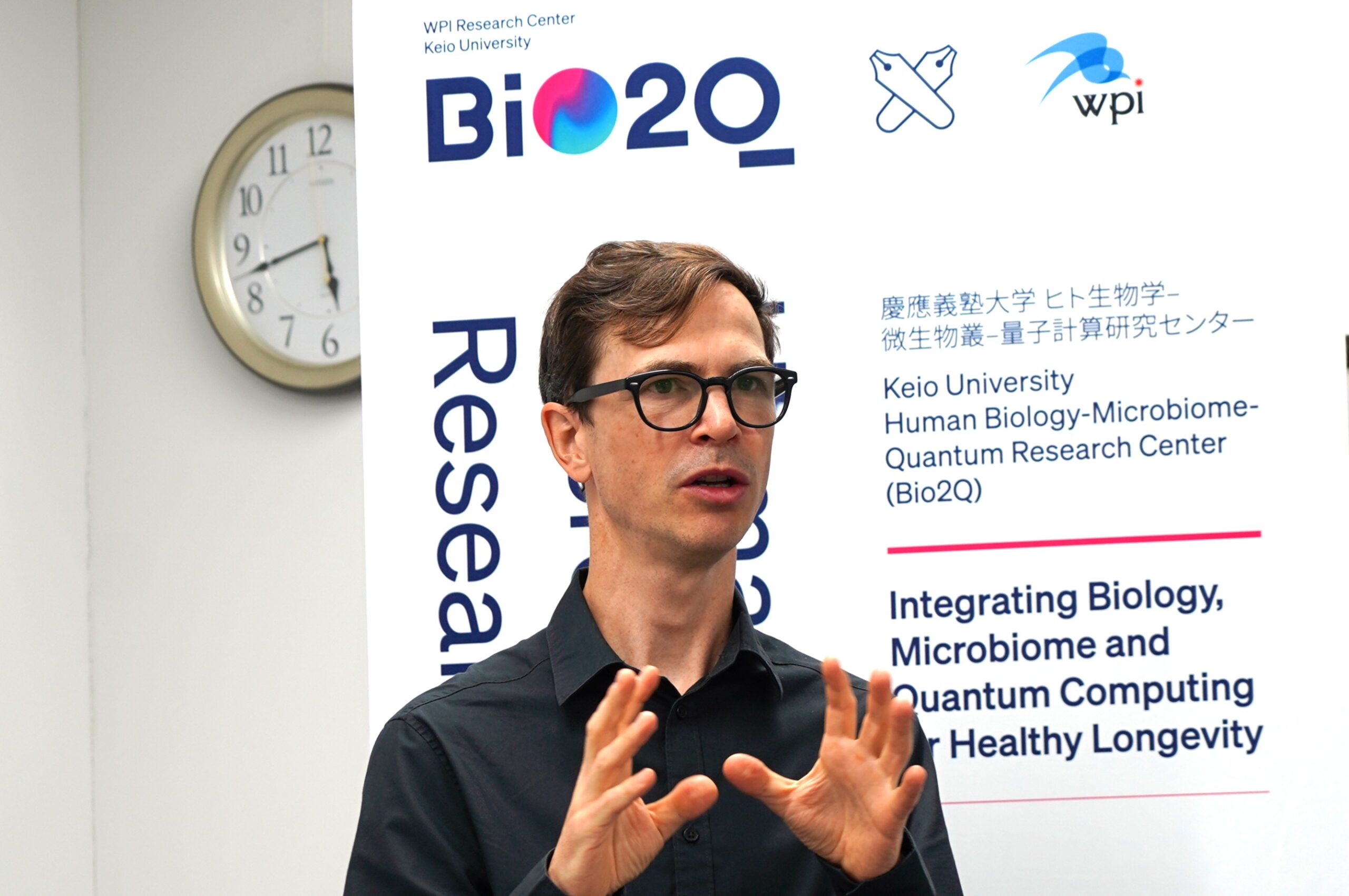
【Seminar Report】WPI-Bio2Q Open Seminar: Nicolas Manel, PhD
Keio University Human Biology-Microbiome-Quantum Research Center (WPI-Bio2Q) held a seminar as follows. Date:17:00 -18:00, September 14, ...
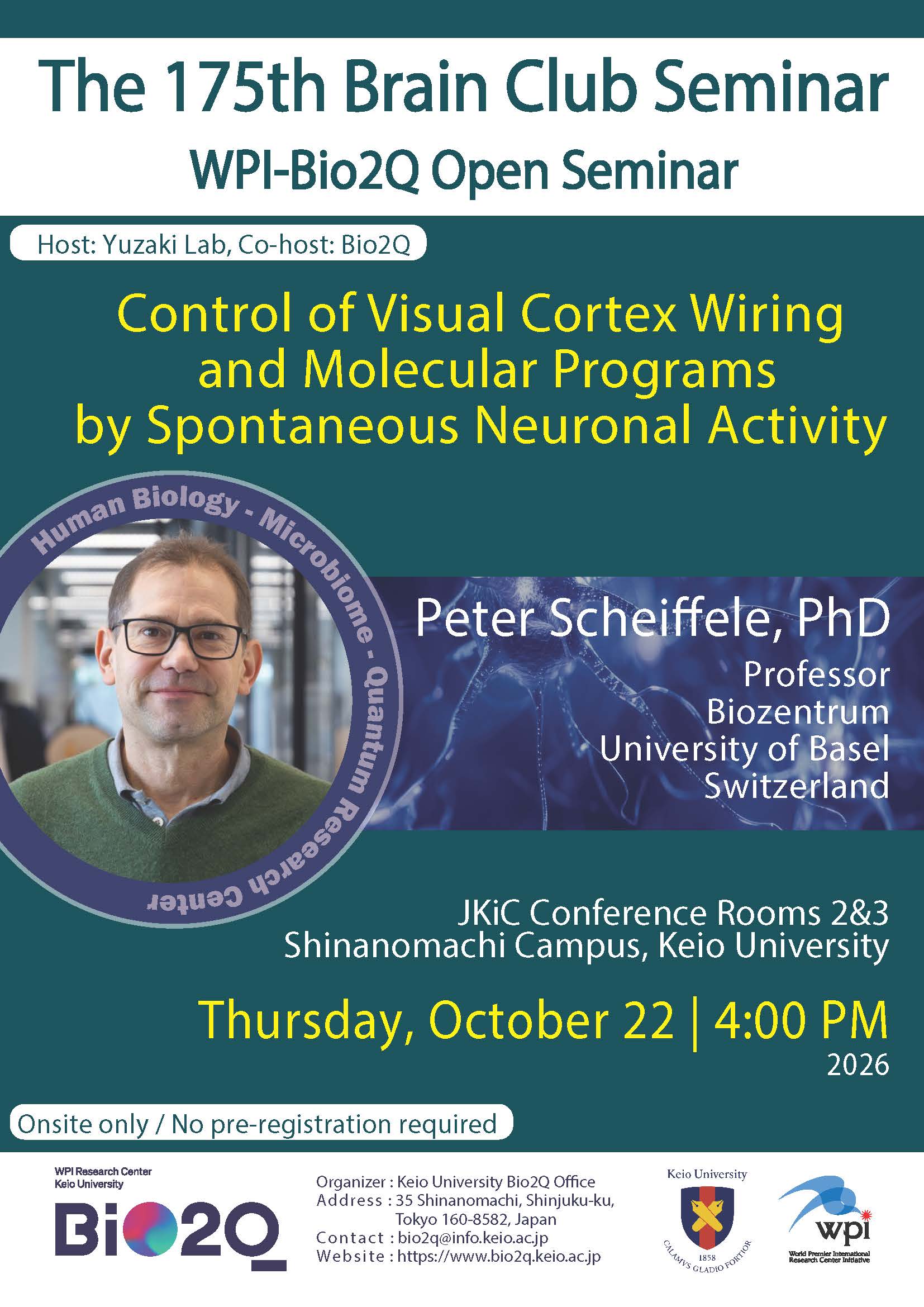
【10/22 Seminar】The 175th Brain Club Seminar (WPI-Bio2Q Open Seminar)
Keio University Human Biology-Microbiome-Quantum Research Center (WPI-Bio2Q) will hold a seminar as follows. This is an event for faculty, ...

【9/16 Seminar】 WPI-Bio2Q Open Seminar: Yue Yin(for Keio Members)
Keio University Human Biology-Microbiome-Quantum Research Center (WPI-Bio2Q) will hold a seminar as follows. This event is only for faculty...
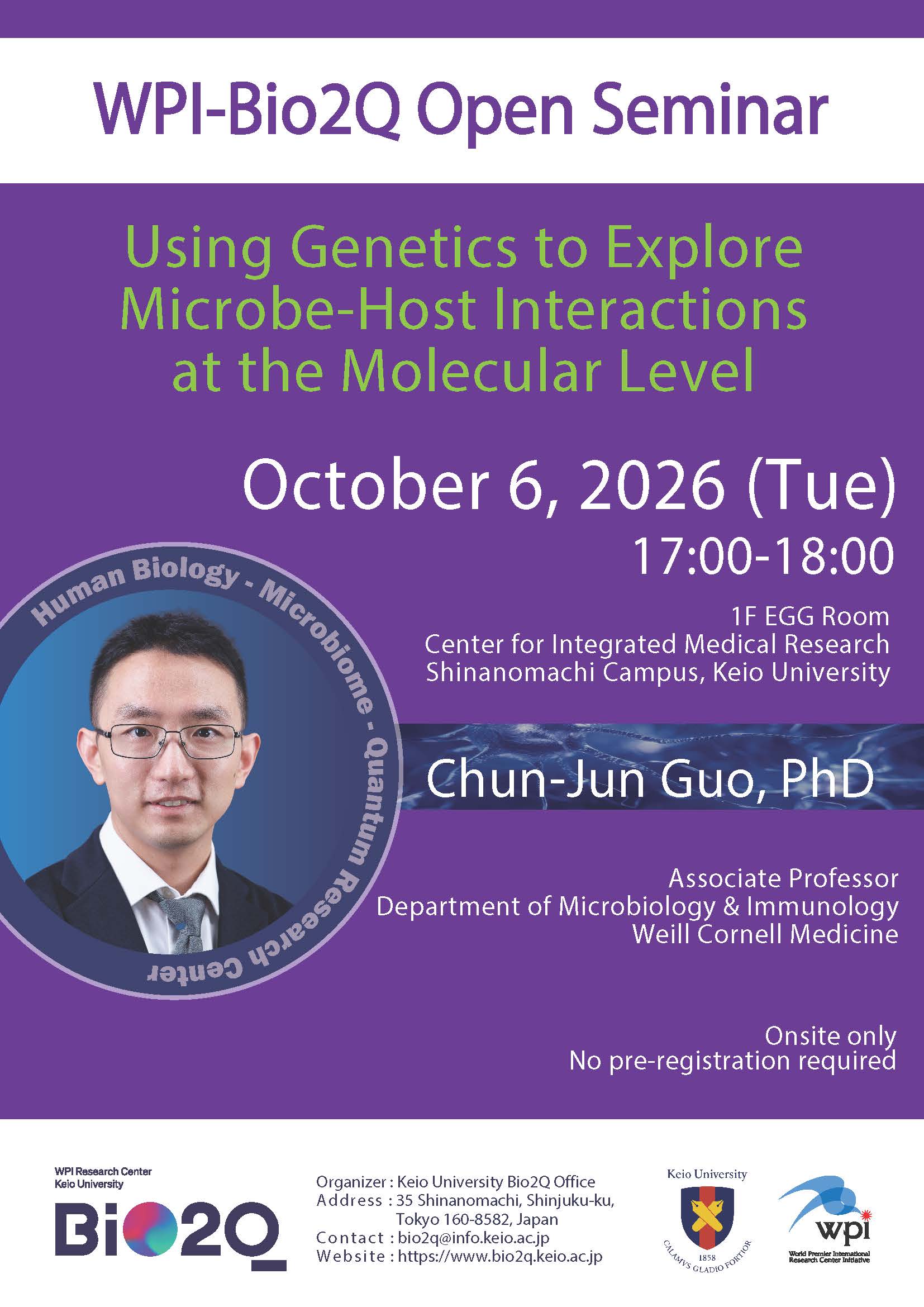
【10/6 Seminar】Bio2Q Open Seminar: Chun-Jun Guo, PhD
Keio University Human Biology-Microbiome-Quantum Research Center (WPI-Bio2Q) will hold a seminar as follows. This is an event for faculty, ...
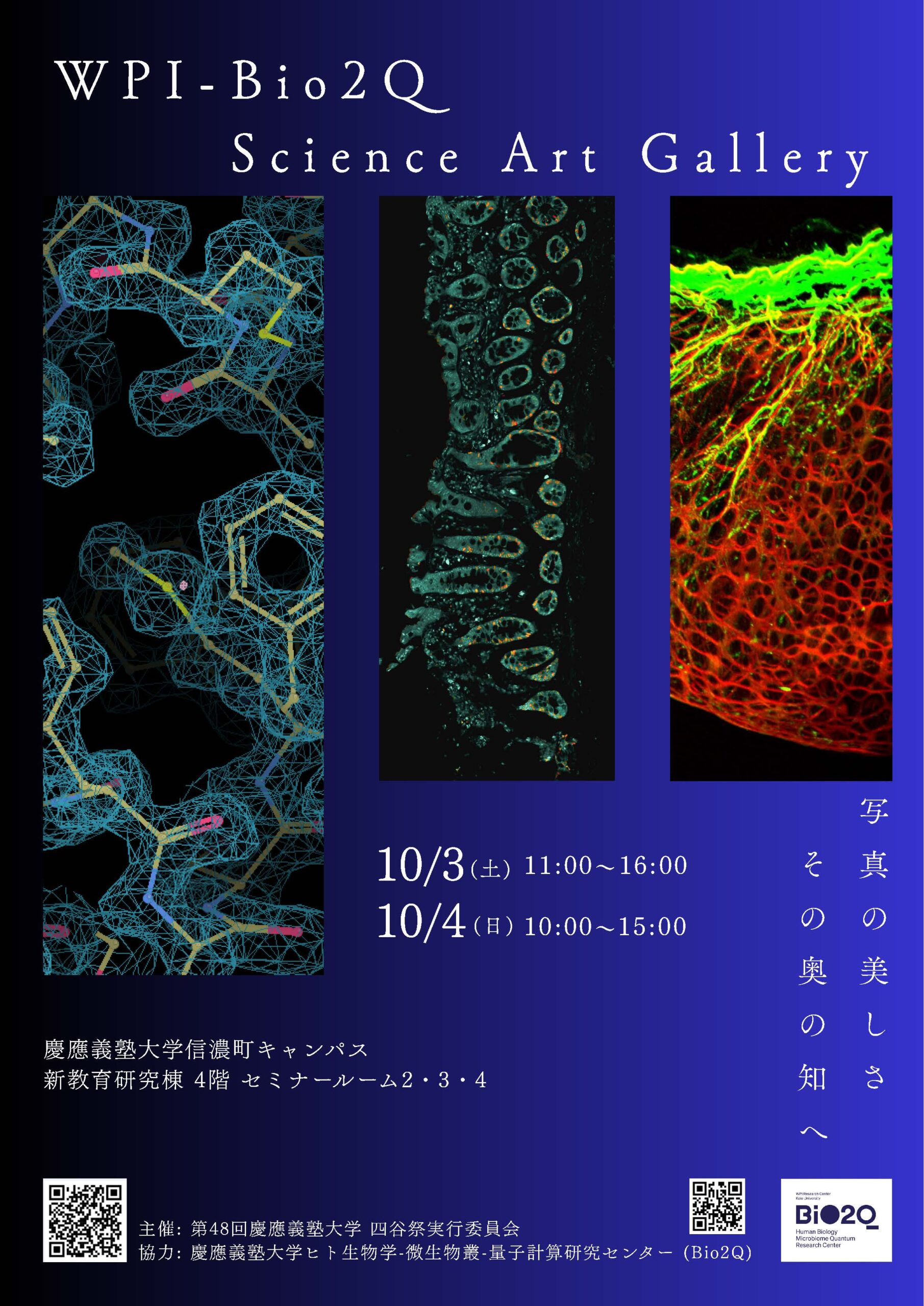
【10/3-10/4 Yotsuya Festival】 WPI-Bio2Q Science Art Gallery
The 48th Yotsuya Festival will be held on October 3 (Sat) and 4 (Sun), 2026, at Keio University's Shinanomachi Campus. In collaboration with...
