





RESEARCH
【Publication】Lysophosphatidic acid drives to mirror-image pain via corpus callosum-mediated propagation of inflammatory responses
August 14, 2026
Credits: WPI-Bio2Q
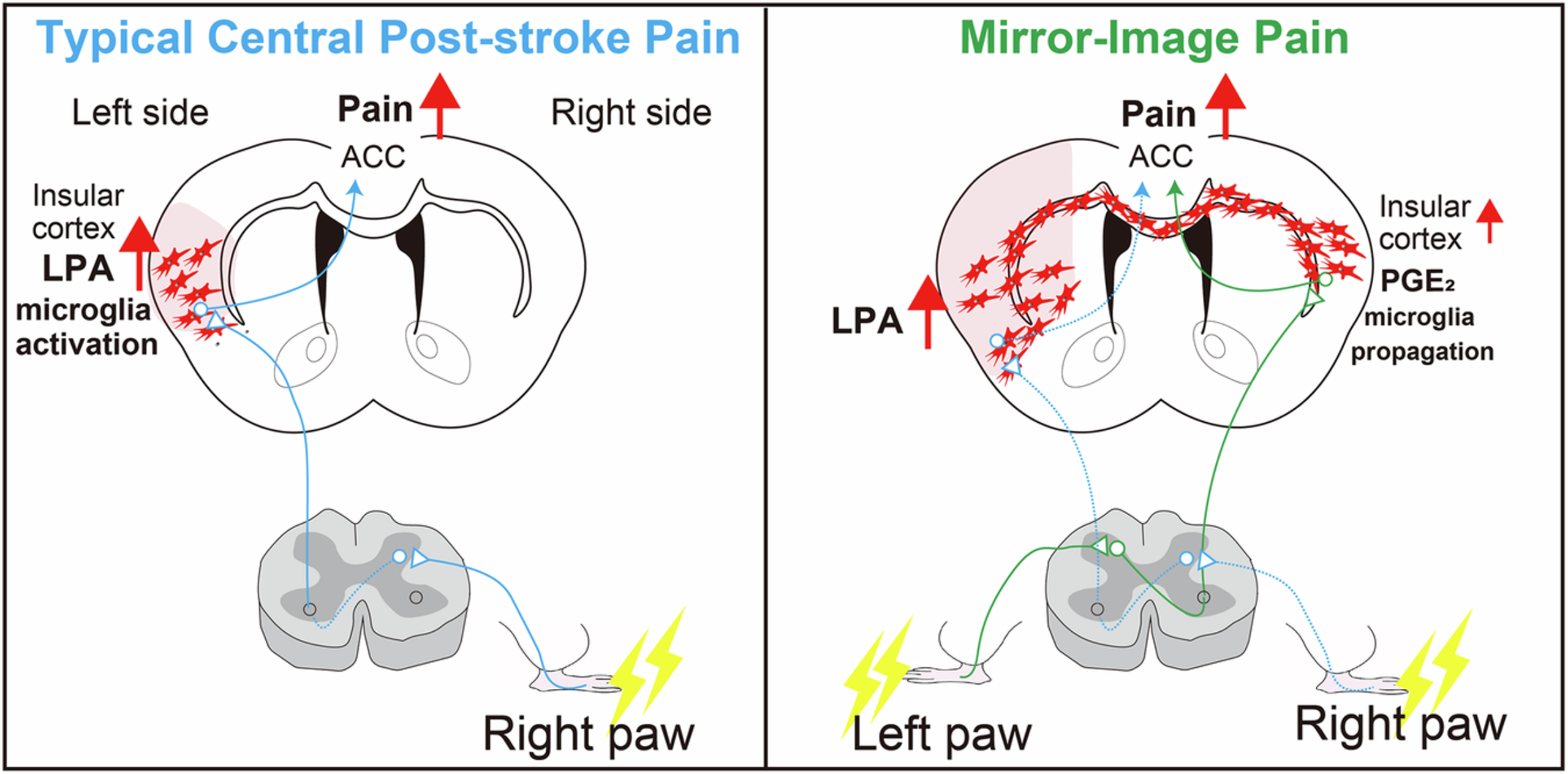
Fig.7 Working-model-of-bilateral-hyperalgesia-development-scaled.
Credits: Neyama et al., 2026
Co-authored by Bio2Q researchers and published in Communications Biology, this study clarifies how lysophosphatidic acid (LPA) propagates inflammation via the corpus callosum to induce mirror-image pain following a stroke. Through analyses using mouse models, the researchers identified that LPA triggers the transmission of inflammatory signals to the contralateral hemisphere via microglia. Consequently, inhibiting this inflammatory pathway was confirmed to alleviate pain, contributing to the development of novel therapeutic strategies for central post-stroke pain.
| Title | Lysophosphatidic acid drives to mirror-image pain via corpus callosum-mediated propagation of inflammatory responses |
|---|---|
| Authors | Hiroyuki Neyama 1 2, Ryoma Kizu 1, Rae Maeda 1, Hiroshi Ueda # 3 4 5, Yuki Sugiura # 6 7 |
| Short Description |
This study, co-authored by an international group of researchers, including scientists from Bio2Q, reveals how lysophosphatidic acid (LPA) drives the development of mirror-image pain by propagating inflammatory signaling across the brain through the corpus callosum. While pain following stroke is typically confined to the side of the body opposite the brain lesion, some patients develop bilateral hypersensitivity, including pain on the unaffected side. The mechanisms underlying this phenomenon have remained poorly understood, however. Using a mouse model of central post-stroke pain, these researchers combined imaging mass spectrometry, pharmacological interventions, and chemogenetic approaches to show that LPA produced at the site of ischemic injury activates microglia within the corpus callosum, triggering inflammatory signaling that spreads to the opposite hemisphere. This process promoted prostaglandin E₂ production in the contralateral insular cortex and activation of the anterior cingulate cortex, ultimately driving bilateral pain hypersensitivity. Importantly, inhibiting either LPA synthesis or microglial activation significantly reduced mirror-image pain, highlighting the therapeutic potential of targeting this inflammatory pathway. By identifying a previously unrecognized transcallosal neuroinflammatory circuit, this study provides new mechanistic insight into central post-stroke pain and suggests that modulation of LPA signaling and microglial activity may offer new treatment strategies for widespread pain disorders. |
| DOI | 10.1038/s42003-026-10261-5 |
| Journal | Communications Biology |
| Vol/Num/Page |
20;9(1):1078.
|
| Publication Date | May, 2026 |
Affiliations
1 Multi-Omics Platform, Center for Cancer Immunotherapy and Immunobiology, Graduate School of Medicine, Kyoto University, Kyoto, Japan.
2 Department of Pharmacology and Therapeutic Innovation, Nagasaki University Institute of Biomedical Sciences, Nagasaki, Japan.
3 Department of Pharmacology and Therapeutic Innovation, Nagasaki University Institute of Biomedical Sciences, Nagasaki, Japan.
4 Laboratory for the Study of Pain, Research Institute for Production Development, Kyoto, Japan.
5 Graduate Institute of Pharmacology, National Defense Medical University, Nei-hu, Taiwan, ROC.
6 Multi-Omics Platform, Center for Cancer Immunotherapy and Immunobiology, Graduate School of Medicine, Kyoto University, Kyoto, Japan.
7 Human Biology-Microbiome-Quantum Research Center (WPI-Bio2Q), Keio University, Tokyo, Japan.
#Contributed equally.
SHARE




More Bio2Q News
【Event】Participation in Keio University’s “Yotsuya Festival”
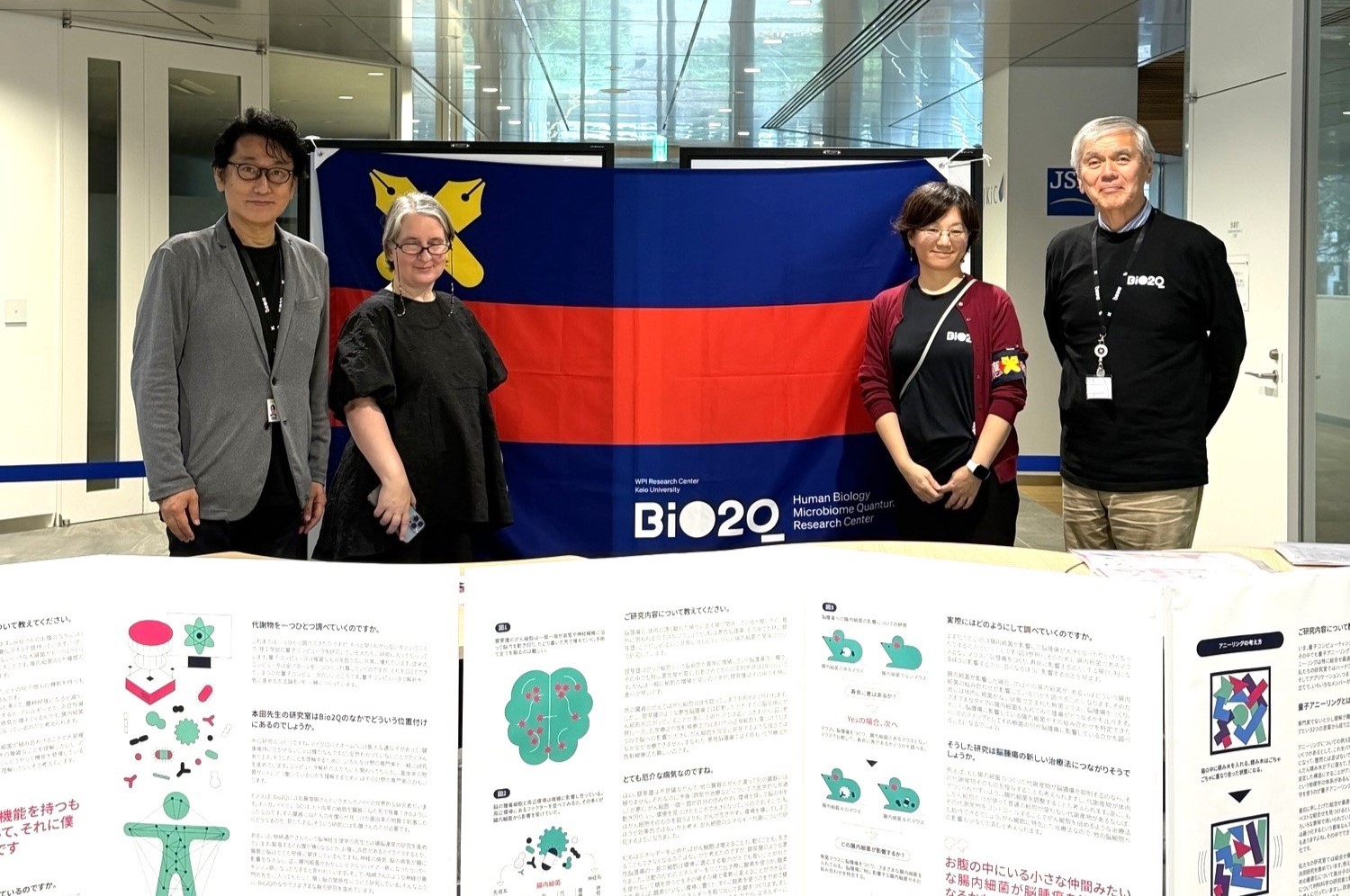
Keio University Human Biology-Microbiome-Quantum Research Center (WPI-Bio2Q) participated in the following event. Keio University Shinanomachi Campus “Yotsuya Festival” October 3 (Sat) 11:00 AM – 4:00 PM October 4 (Sun) 10:00 AM – 3:00 PM In addition to introducing Bio2Q’s research activities, we also hosted a Science Art Gallery on the day of the event. We welcomed 278 visitors and estab...
【Seminar Report】WPI-Bio2Q Open Seminar: Chun-Jun Guo, PhD
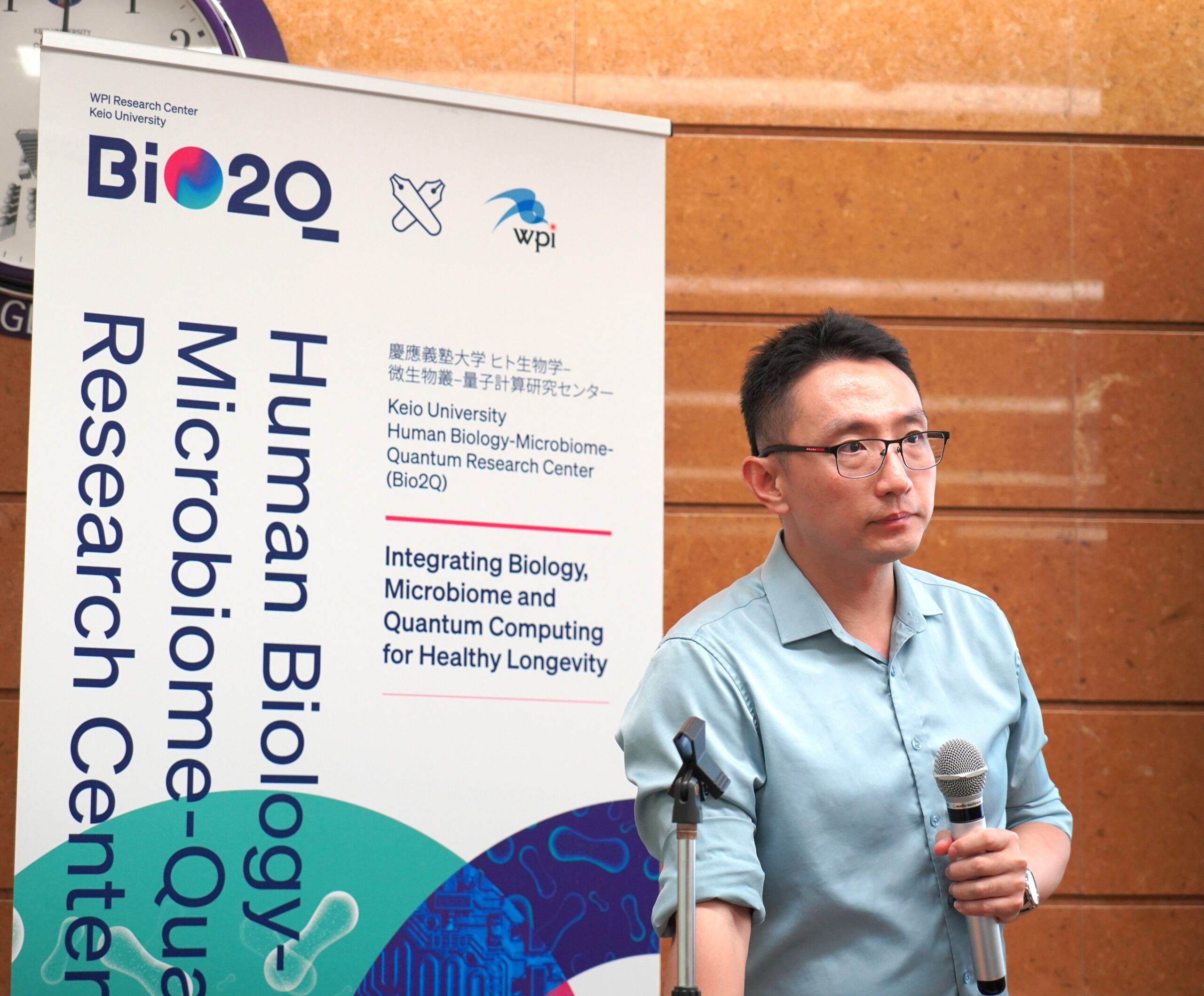
Keio University Human Biology-Microbiome-Quantum Research Center (WPI-Bio2Q) held a seminar as follows. Date:17:00 -18:00, October 6, 2026 Venue:1F Lounge, Center for Integrated Medical Research, Shinanomachi Campus, Keio University Speaker:Chun-Jun Guo, PhD Associate Professor Department of Microbiology &Immunology Weill Cornell Medicine Title:Using Genetics to Explore Microbe-Host...
【Private Activity】Bio2Q Members Take Part in TOKYO ROKUTAI FES 2026
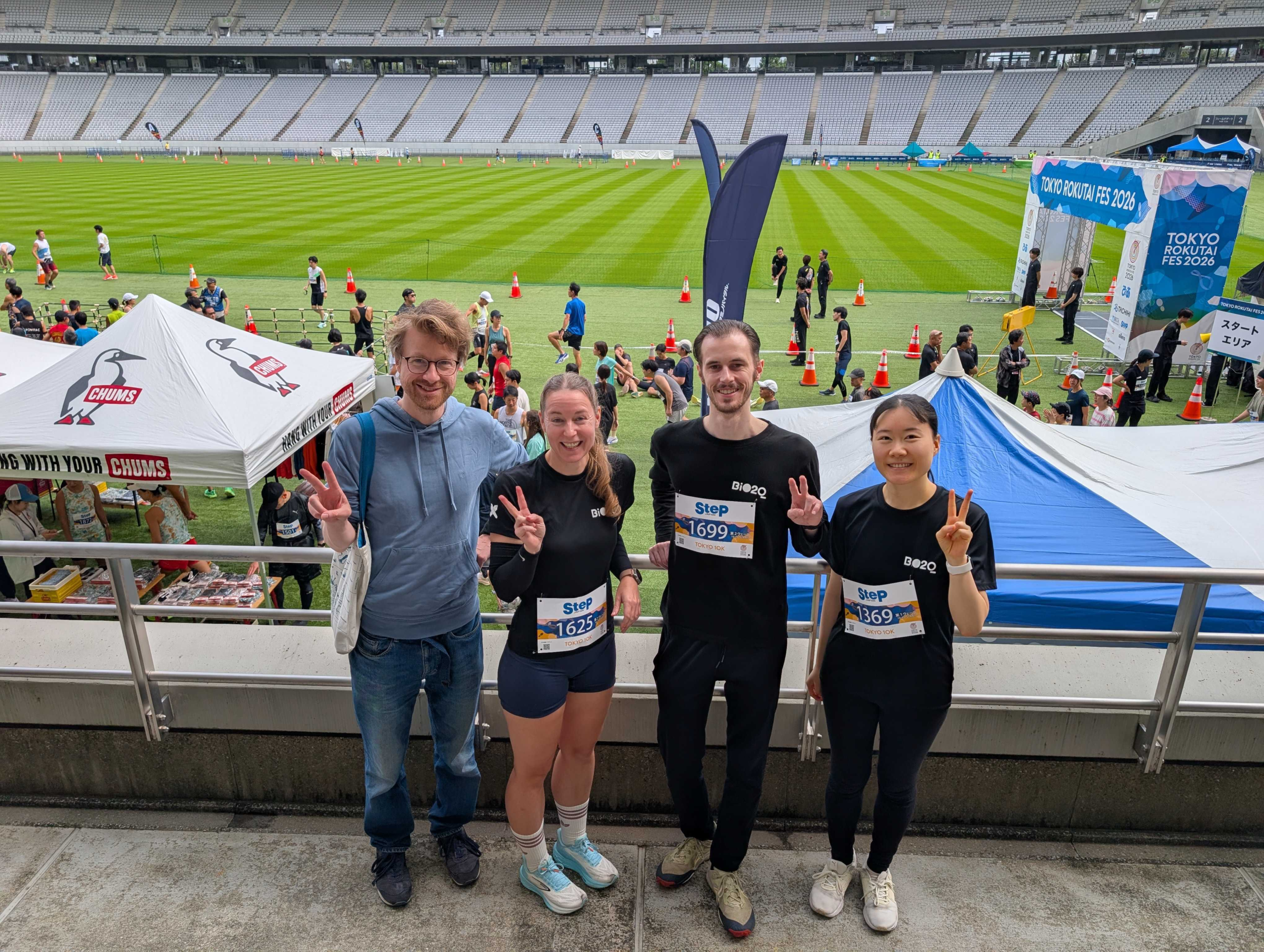
On Sunday, October 4th, members of the Keio University Human Biology-Microbiome-Quantum Computing Research Center (Bio2Q) participated in “TOKYO ROKUTAI FES 2026”, taking on the 10K run together! Researchers were joined by their family and friends, creating a fun and energetic atmosphere throughout the event. It was a great opportunity to stay active, challenge themselves, and strengthen connecti...
【10/14, 15 Seminar】 WPI-Bio2Q Open Seminar: Amelia Palermo, PhD&Sonomi Yamaguchi...
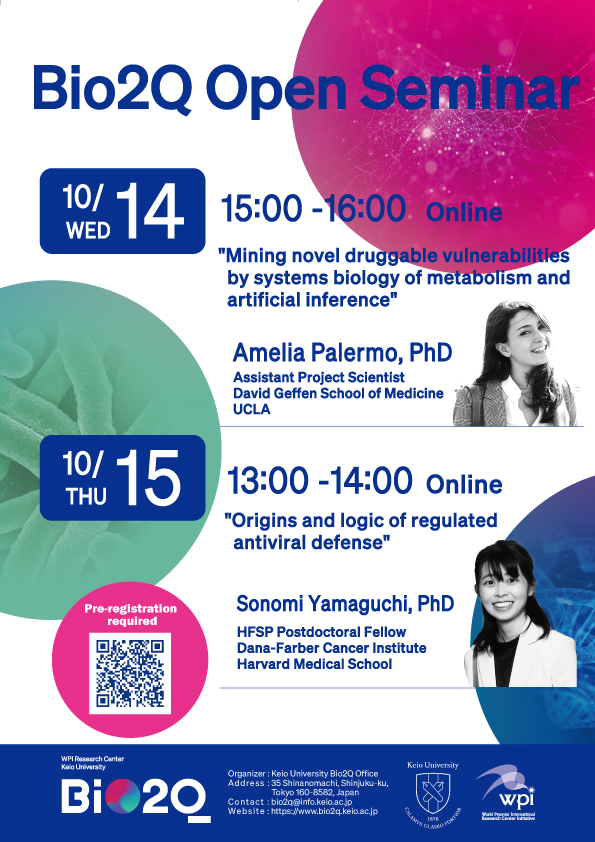
Keio University Human Biology-Microbiome-Quantum Research Center (WPI-Bio2Q) will hold seminars as follows. These events are only for faculty, students, and staff of Keio University, and pre-registration is required. Session #1 Date and Time Wednesday, October 14, 2026, 15:00-16:00 Title Mining novel druggable vulnerabilities by systems biology of metabolism and artificial inferenc...
【Seminar Report】WPI-Bio2Q Open Seminar: Djenet Bousbaine, PhD
Keio University Human Biology-Microbiome-Quantum Research Center (WPI-Bio2Q) held a seminar as follows. Date:17:00 -18:00, October 1, 2026 Venue:1F Lounge, Center for Integrated Medical Research, Shinanomachi Campus, Keio University Speaker:Djenet Bousbaine, PhD Postdoctoral scholar Department of Bioengineering Stanford University, US Title:Engineering Skin Bacteria for Needle-Free ...
