





RESEARCH
【Publication】Visualizing Newly Synthesized Proteins and Their Degradation Dynamics by Using Long-Wavelength-Emitting Fluorescent Dye–DBCO Conjugates
August 13, 2026
Credits: WPI-Bio2Q
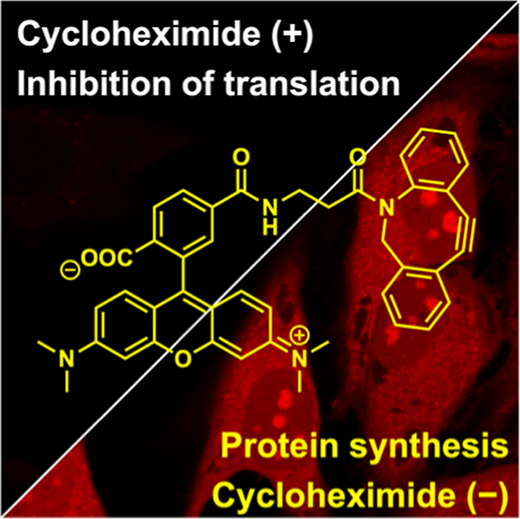
Visual Abstract
Credits: Sumitani et al., 2026
Co-authored by researchers from Bio2Q and published in the journal Bioconjugate Chemistry, this study developed a new technology to observe the real-time process of proteins in living cells from “birth to degradation.” Using cell-friendly, long-wavelength fluorescent probes combined with click chemistry, the researchers selectively labeled newly synthesized proteins inside living cells. As a result, they were able to capture protein degradation pathways while revealing that newly synthesized proteins accumulate in senescent cells due to impaired lysosomal function.
| Title | Visualizing Newly Synthesized Proteins and Their Degradation Dynamics by Using Long-Wavelength-Emitting Fluorescent Dye–DBCO Conjugates |
|---|---|
| Authors | Shun Sumitani 1, Eita Sasaki 1, Hisashi Ohno 1, Sota Yamada 1, Orie Takayama 1, Fan-Yan Wei 2, Yoshihiko Kuchitsu 3, Tomohiko Taguchi 3, Kenjiro Hanaoka 1, 4 |
| Short Description |
This study, co-authored by researchers from both Bio2Q and Keio University, demonstrates how newly synthesized proteins can be visualized and tracked in living cells using long-wavelength fluorescent probes, enabling real-time observation of protein degradation dynamics. Maintaining protein homeostasis through the balanced synthesis and degradation of proteins is essential for cellular health, yet existing methods for monitoring newly synthesized proteins typically require cell fixation, or they lack compatibility with live-cell imaging, limiting their ability to capture these dynamic processes. Here, this team of researchers developed two fluorescent probes that selectively label newly synthesized proteins in living cells, allowing their fate to be followed over time without disrupting cellular function. The approach was used to revealed the gradual degradation of newly synthesized proteins through both proteasomal and lysosomal pathways and further showed that protein turnover is impaired in drug-induced senescent cells, where newly synthesized proteins accumulate because of reduced lysosomal activity. By enabling continuous visualization of protein synthesis and degradation in living cells, this study establishes a versatile platform for investigating proteostasis and provides a valuable tool for studying the molecular mechanisms underlying aging, neurodegenerative disorders, cancer, and other diseases associated with disrupted protein homeostasis. |
| DOI | 10.1038/s41598-026-46977-x |
| Journal | Bioconjugate Chemistry |
| Vol/Num/Page |
37 (5): 922–929.
|
| Publication Date | April, 2026 |
Affiliations
1 Graduate School of Pharmaceutical Sciences, Keio University, 1-5-30 Shibakoen, Minato-ku, Tokyo 105-8512, Japan.
2 Department of Modomics Biology and Medicine, Institute of Development, Aging and Cancer (IDAC), Tohoku University, Sendai 980-8575, Japan.
3 Department of Integrative Life Sciences, Graduate School of Life Sciences, Tohoku University, Sendai 980-8575, Japan.
4 Human Biology-Microbiome-Quantum Research Center (WPI-Bio2Q), Keio University, Tokyo 108-8345, Japan.
SHARE




More Bio2Q News
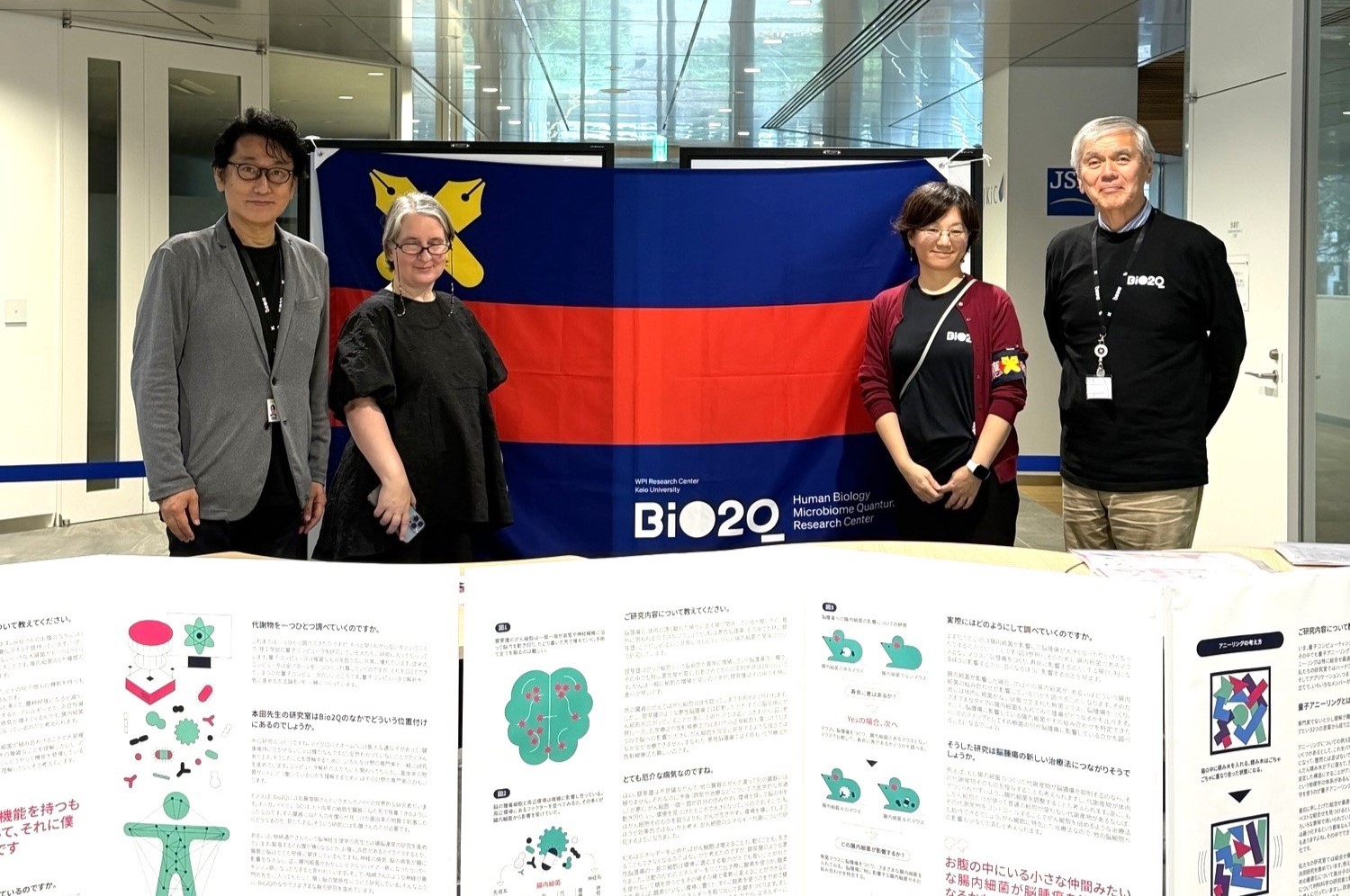
【Event】Participation in Keio University’s “Yotsuya Festival”
Keio University Human Biology-Microbiome-Quantum Research Center (WPI-Bio2Q) participated in the following event. Keio University Shinanomachi Campus “Yotsuya Festival” October 3 (Sat) 11:00 AM – 4:00 PM October 4 (Sun) 10:00 AM – 3:00 PM In addition to introducing Bio2Q’s research activities, we also hosted a Science Art Gallery on the day of the event. We welcomed 278 visitors and estab...
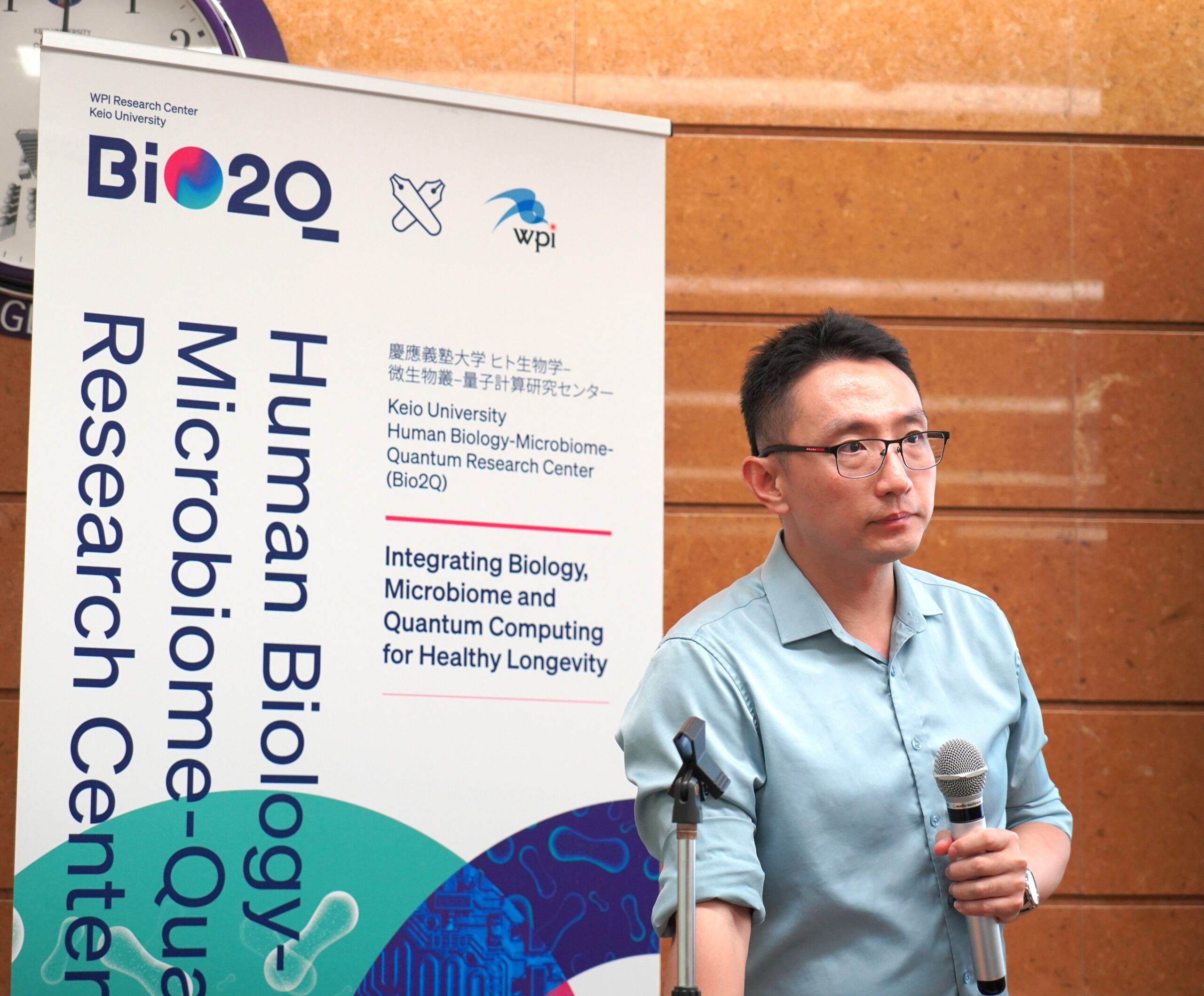
【Seminar Report】WPI-Bio2Q Open Seminar: Chun-Jun Guo, PhD
Keio University Human Biology-Microbiome-Quantum Research Center (WPI-Bio2Q) held a seminar as follows. Date:17:00 -18:00, October 6, 2026 Venue:1F Lounge, Center for Integrated Medical Research, Shinanomachi Campus, Keio University Speaker:Chun-Jun Guo, PhD Associate Professor Department of Microbiology &Immunology Weill Cornell Medicine Title:Using Genetics to Explore Microbe-Host...
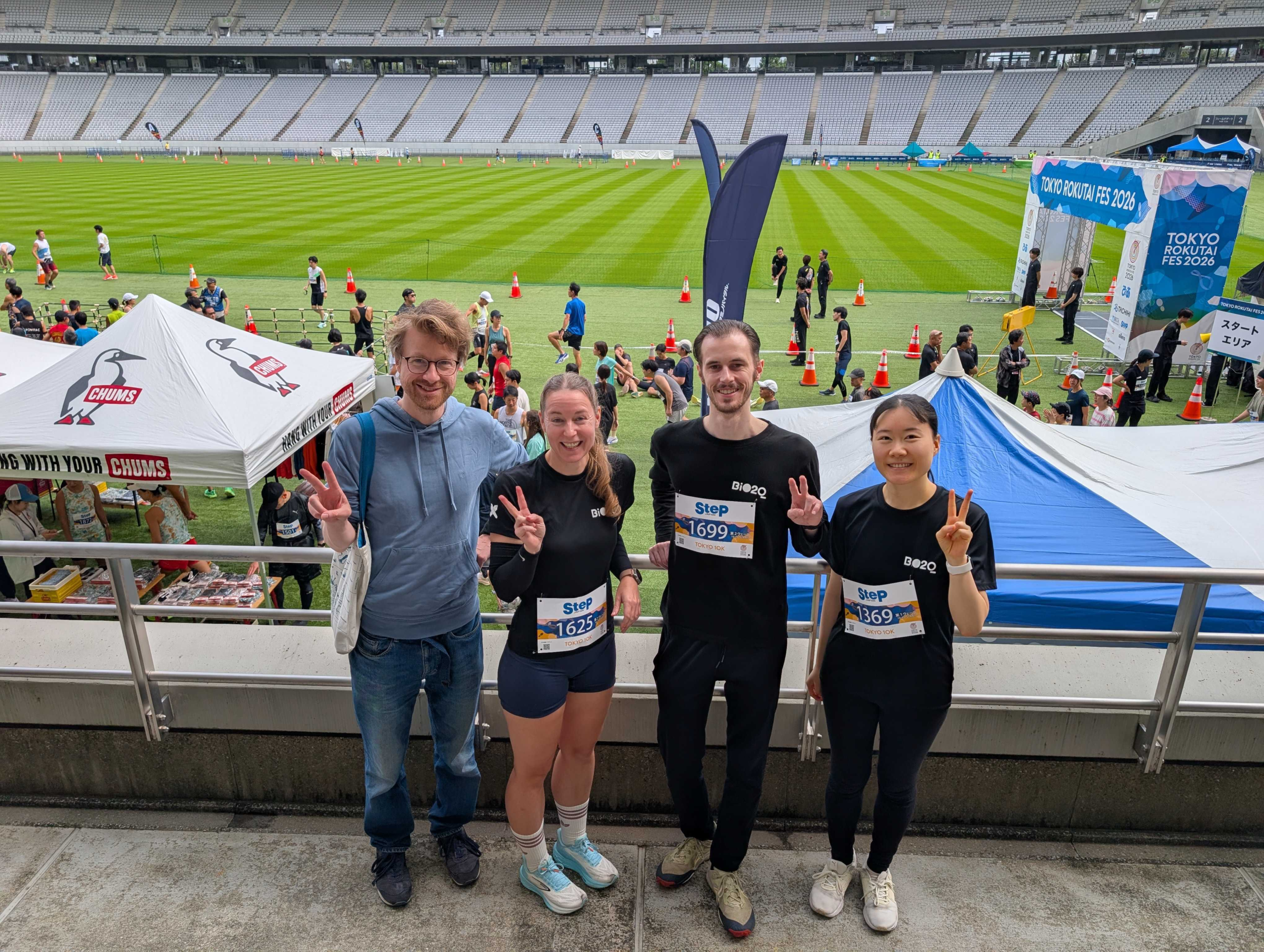
【Private Activity】Bio2Q Members Take Part in TOKYO ROKUTAI FES 2026
On Sunday, October 4th, members of the Keio University Human Biology-Microbiome-Quantum Computing Research Center (Bio2Q) participated in “TOKYO ROKUTAI FES 2026”, taking on the 10K run together! Researchers were joined by their family and friends, creating a fun and energetic atmosphere throughout the event. It was a great opportunity to stay active, challenge themselves, and strengthen connecti...
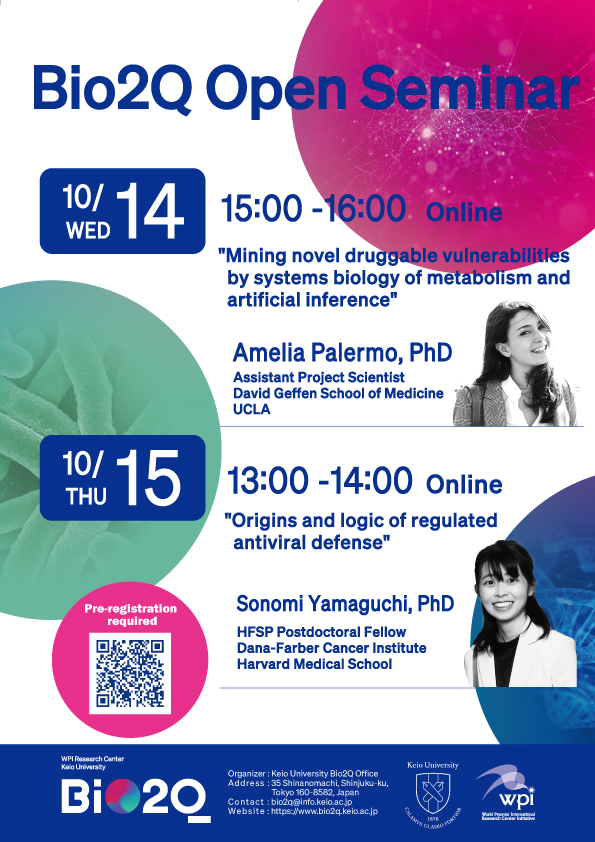
【10/14, 15 Seminar】 WPI-Bio2Q Open Seminar: Amelia Palermo, PhD&Sonomi Yamaguchi...
Keio University Human Biology-Microbiome-Quantum Research Center (WPI-Bio2Q) will hold seminars as follows. These events are only for faculty, students, and staff of Keio University, and pre-registration is required. Session #1 Date and Time Wednesday, October 14, 2026, 15:00-16:00 Title Mining novel druggable vulnerabilities by systems biology of metabolism and artificial inferenc...
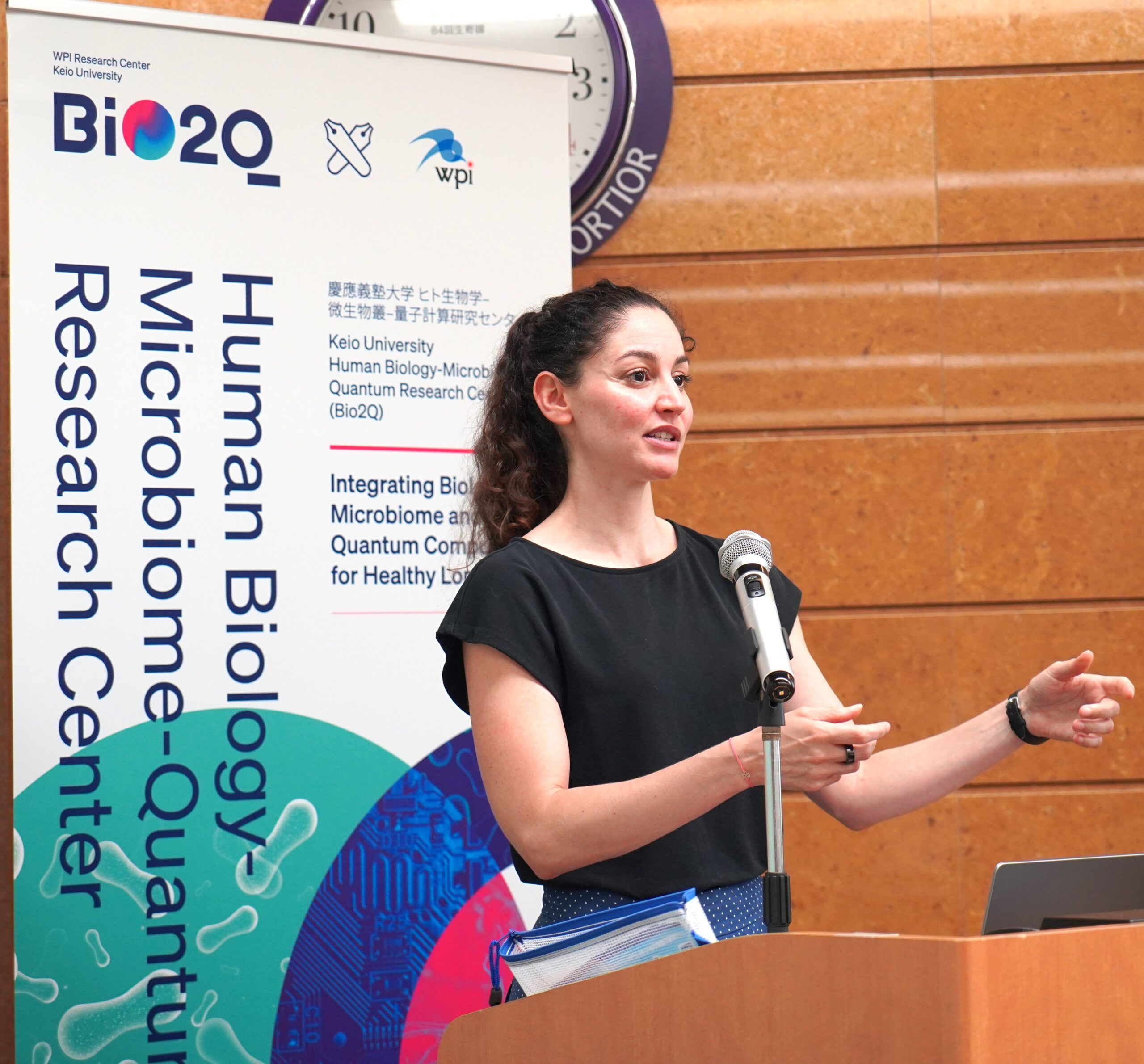
【Seminar Report】WPI-Bio2Q Open Seminar: Djenet Bousbaine, PhD
Keio University Human Biology-Microbiome-Quantum Research Center (WPI-Bio2Q) held a seminar as follows. Date:17:00 -18:00, October 1, 2026 Venue:1F Lounge, Center for Integrated Medical Research, Shinanomachi Campus, Keio University Speaker:Djenet Bousbaine, PhD Postdoctoral scholar Department of Bioengineering Stanford University, US Title:Engineering Skin Bacteria for Needle-Free ...
