





RESEARCH
[Publication] Retrotransposon renaissance in early embryos
November 15, 2023
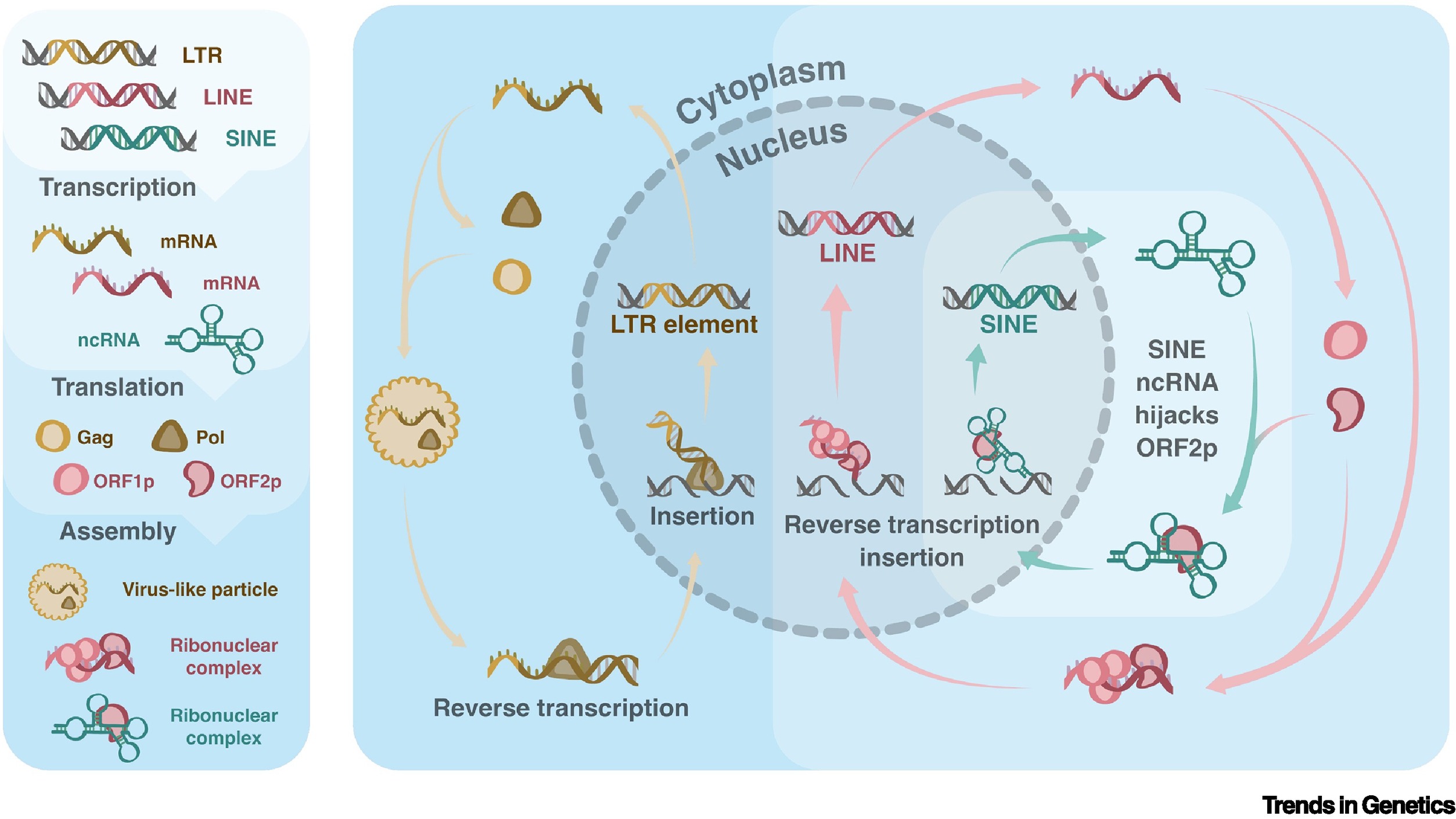
Figure 1. Retrotransposition life cycles of distinct retrotransposon classes.
| Title |
Retrotransposon renaissance in early embryos |
|---|---|
| Authors | Youjia Guo [1]; Ten D. Li [2]; Andrew J. Modzelewski [2]; Haruhiko Siomi [1],[3] |
| DOI | https://doi.org/10.1016/j.tig.2023.10.010 |
| Journal | Trends in Genetics |
| Vol/Num/Page | Volume 40, Issue 1, January 2024, Pages 39-51 |
| Published Date | Available online 8 November 2023, Version of Record 8 January 2024. |
Affiliation:
[1] Department of Molecular Biology, Keio University School of Medicine, Shinjuku, Tokyo 160-8582, Japan
[2] Department of Biomedical Sciences, School of Veterinary Medicine, University of Pennsylvania, Philadelphia, PA 19104-4539, USA
[3] Human Biology Microbiome Quantum Research Center (WPI-Bio2Q), Keio University, Tokyo 160-8582, Japan
SHARE




More Bio2Q News
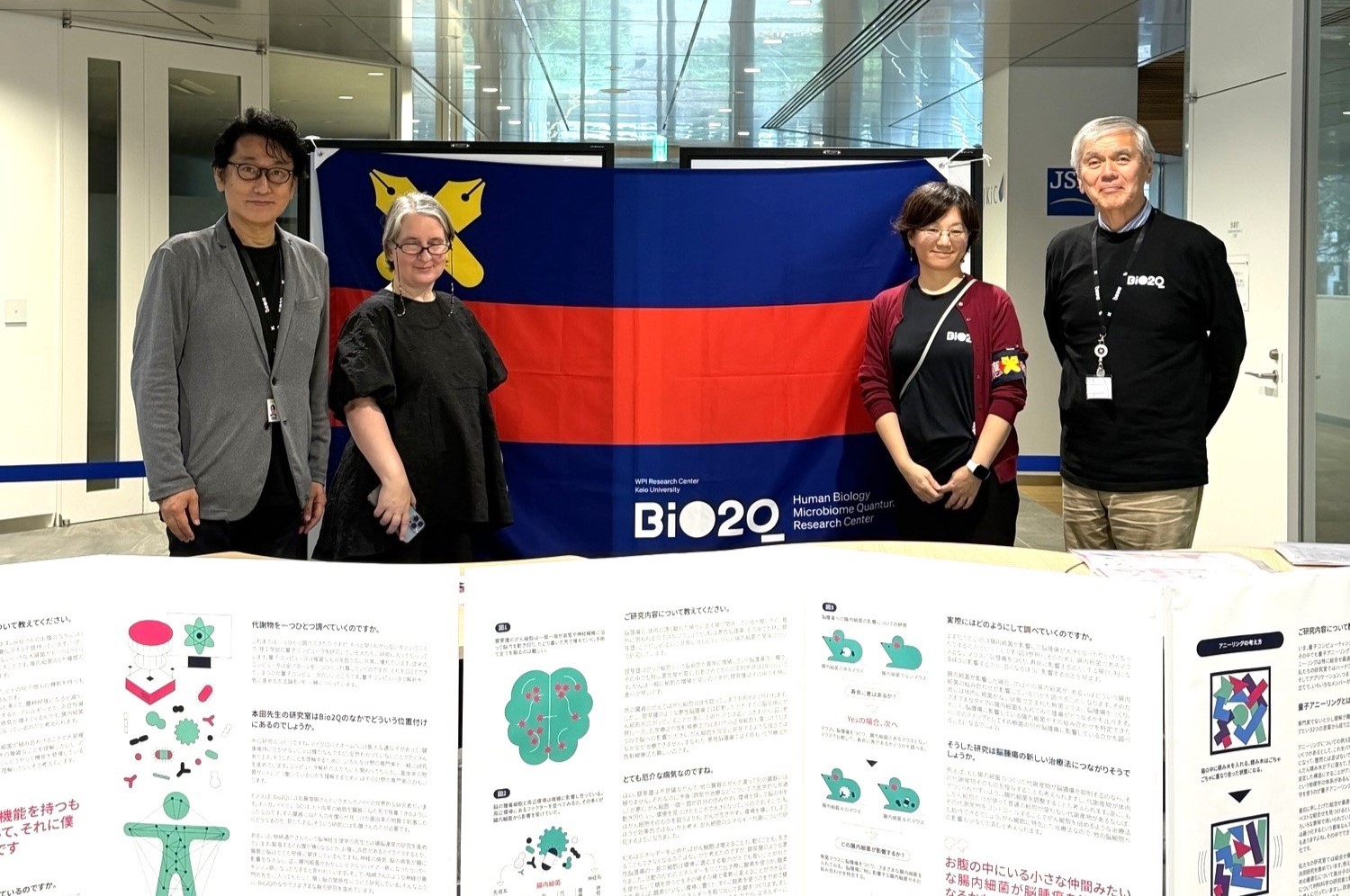
【Event】Participation in Keio University’s “Yotsuya Festival”
Keio University Human Biology-Microbiome-Quantum Research Center (WPI-Bio2Q) participated in the following event. Keio University Shinanomachi Campus “Yotsuya Festival” October 3 (Sat) 11:00 AM – 4:00 PM October 4 (Sun) 10:00 AM – 3:00 PM In addition to introducing Bio2Q’s research activities, we also hosted a Science Art Gallery on the day of the event. We welcomed 278 visitors and estab...
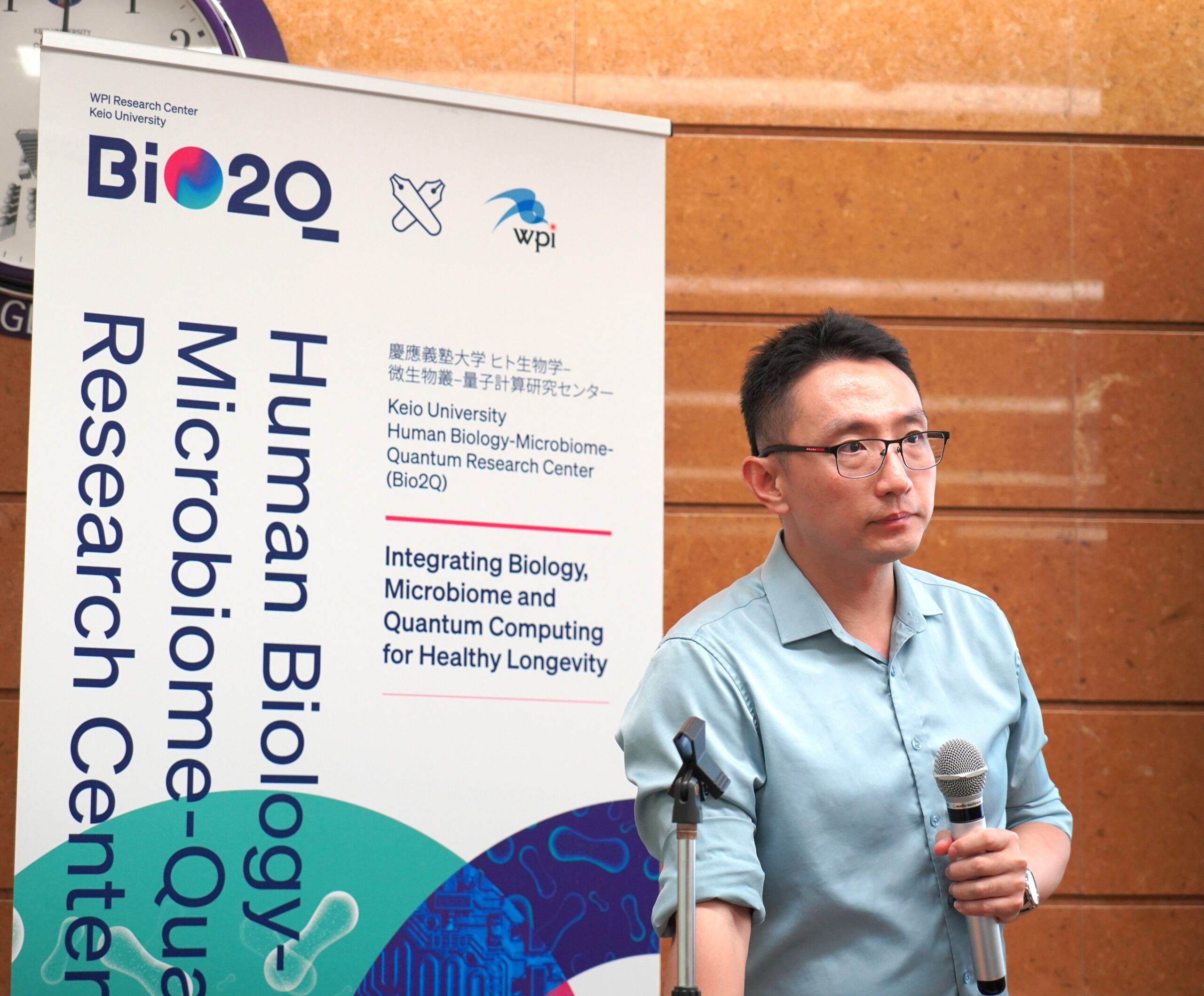
【Seminar Report】WPI-Bio2Q Open Seminar: Chun-Jun Guo, PhD
Keio University Human Biology-Microbiome-Quantum Research Center (WPI-Bio2Q) held a seminar as follows. Date:17:00 -18:00, October 6, 2026 Venue:1F Lounge, Center for Integrated Medical Research, Shinanomachi Campus, Keio University Speaker:Chun-Jun Guo, PhD Associate Professor Department of Microbiology &Immunology Weill Cornell Medicine Title:Using Genetics to Explore Microbe-Host...
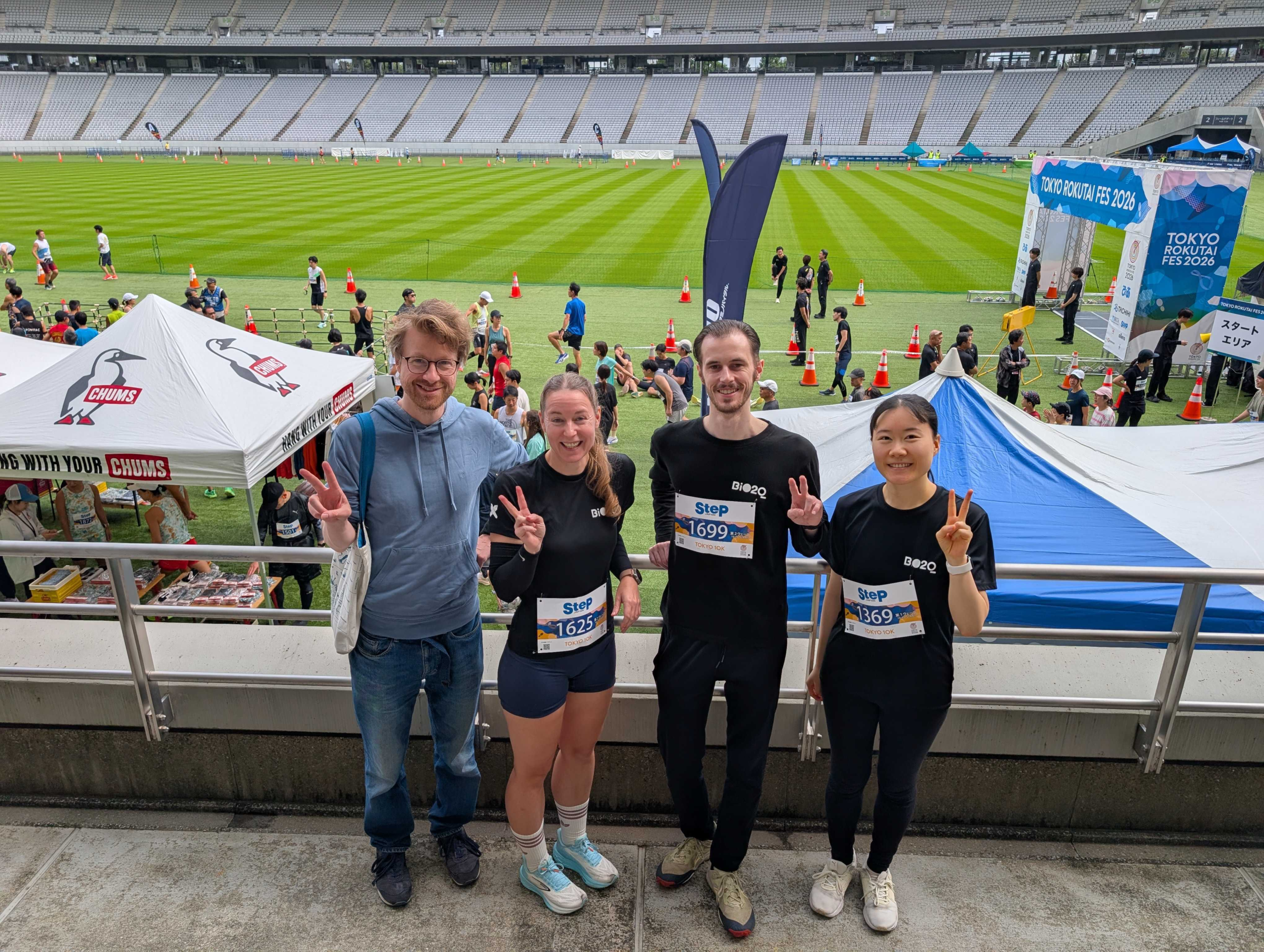
【Private Activity】Bio2Q Members Take Part in TOKYO ROKUTAI FES 2026
On Sunday, October 4th, members of the Keio University Human Biology-Microbiome-Quantum Computing Research Center (Bio2Q) participated in “TOKYO ROKUTAI FES 2026”, taking on the 10K run together! Researchers were joined by their family and friends, creating a fun and energetic atmosphere throughout the event. It was a great opportunity to stay active, challenge themselves, and strengthen connecti...
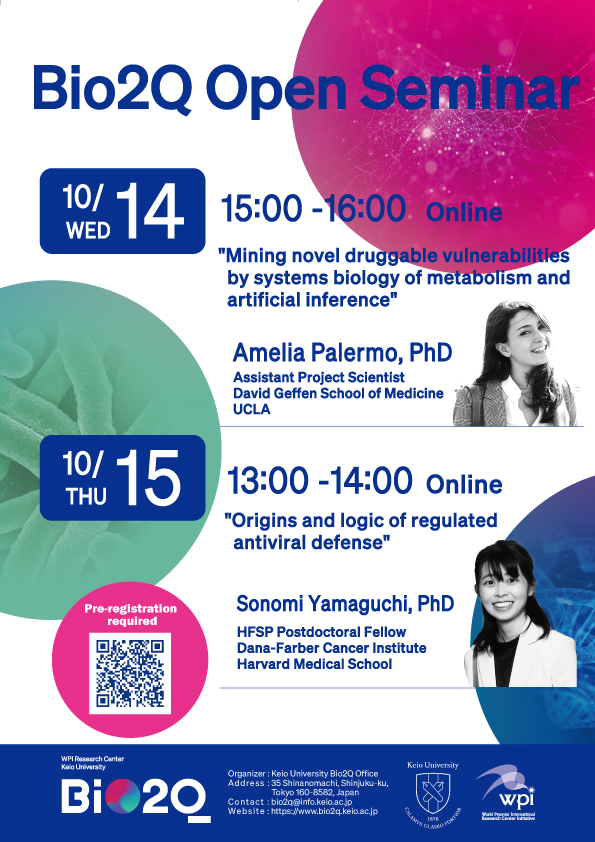
【10/14, 15 Seminar】 WPI-Bio2Q Open Seminar: Amelia Palermo, PhD&Sonomi Yamaguchi...
Keio University Human Biology-Microbiome-Quantum Research Center (WPI-Bio2Q) will hold seminars as follows. These events are only for faculty, students, and staff of Keio University, and pre-registration is required. Session #1 Date and Time Wednesday, October 14, 2026, 15:00-16:00 Title Mining novel druggable vulnerabilities by systems biology of metabolism and artificial inferenc...
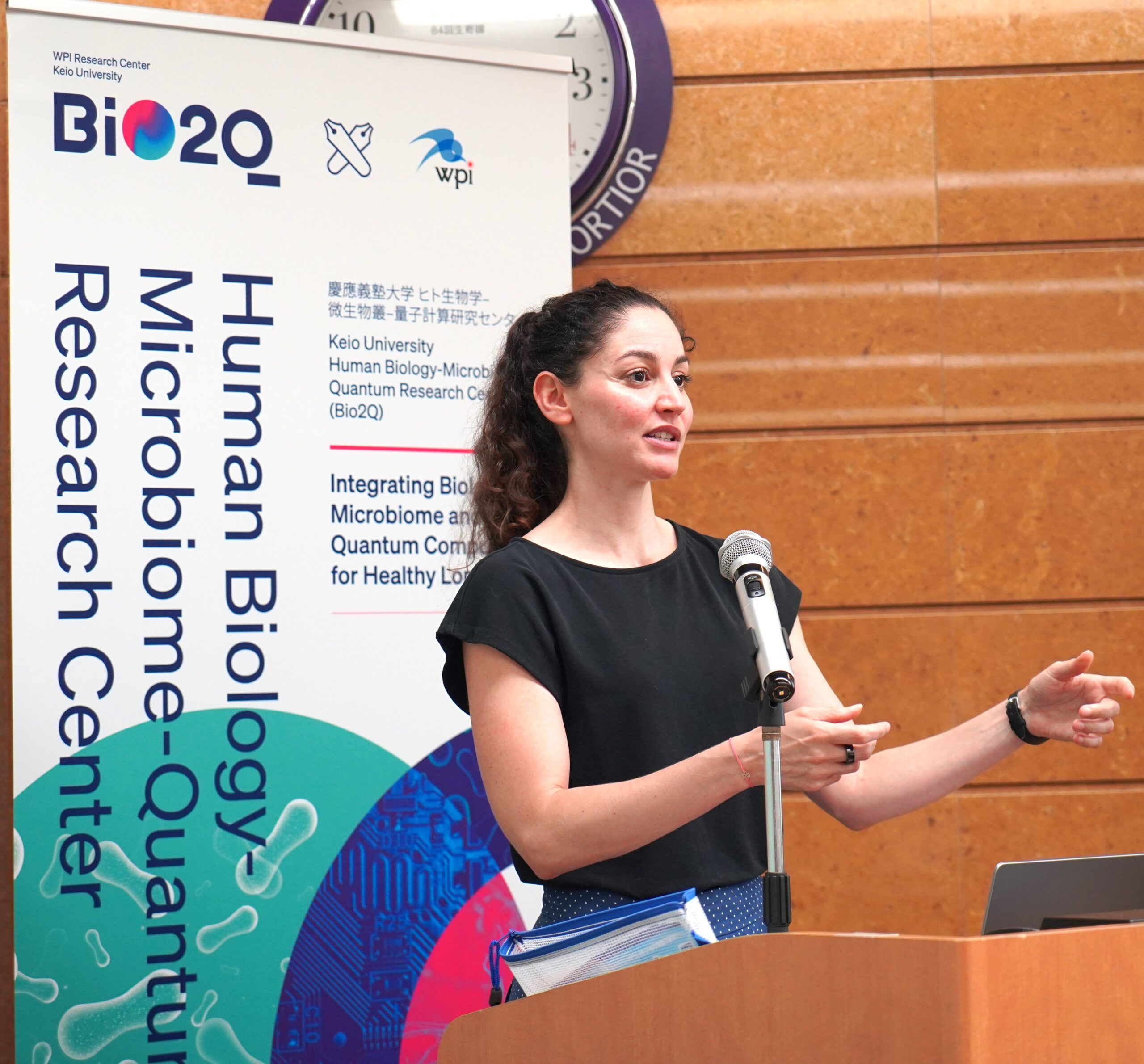
【Seminar Report】WPI-Bio2Q Open Seminar: Djenet Bousbaine, PhD
Keio University Human Biology-Microbiome-Quantum Research Center (WPI-Bio2Q) held a seminar as follows. Date:17:00 -18:00, October 1, 2026 Venue:1F Lounge, Center for Integrated Medical Research, Shinanomachi Campus, Keio University Speaker:Djenet Bousbaine, PhD Postdoctoral scholar Department of Bioengineering Stanford University, US Title:Engineering Skin Bacteria for Needle-Free ...
