





RESEARCH
[Publication] Emerging sensitivity to talking mouth in infants with low and elevated likelihood of autism spectrum disorder: A longitudinal study
July 11, 2025
Credits: WPI-Bio2Q
This study shows that infants at higher risk for autism spectrum disorders pay less attention to talking mouths, a key cue for social development, offering a non-invasive early detection method.
| Title | Emerging sensitivity to talking mouth in infants with low and elevated likelihood of autism spectrum disorder: A longitudinal study |
|---|---|
| Authors | |
| Short Description | How Early Visual Attention May Signal Autism Risk This longitudinal study explores how infants, both with low and elevated likelihoods of autism spectrum disorder (ASD), respond to talking faces during their first year of life. Using eye-tracking technology, Bio2Q researchers uncovered an interesting pattern, that is while most infants increasingly focus on a talking mouth between 6 and 12 months of age, those with a higher likelihood of ASD show reduced sensitivity to this developmental shift. These findings suggest that attention to a talking mouth may serve as a critical cue for typical social and language development. This work enhances our understanding of early autism detection by providing a non-invasive way by which to identify behavioral differences, well before clinical symptoms arise. |
| DOI | https://doi.org/10.1016/j.infbeh.2025.102057 |
| Journal | Infant Behavior and Development |
| Vol/Num/Page | Article 102057 |
| Publication Date | Published online: 2025 April 16. |
Affiliations:
[1] Center for Design of Future Symbiosis, Keio University Global Research Institute, Tokyo, Japan
[2] Department of Psychology, Graduate School of Human Relations, Keio University, Tokyo, Japan
[3] Human Biology-Microbiome-Quantum Research Center (WPI-Bio2Q), Keio University, Tokyo, Japan
SHARE




More Bio2Q News
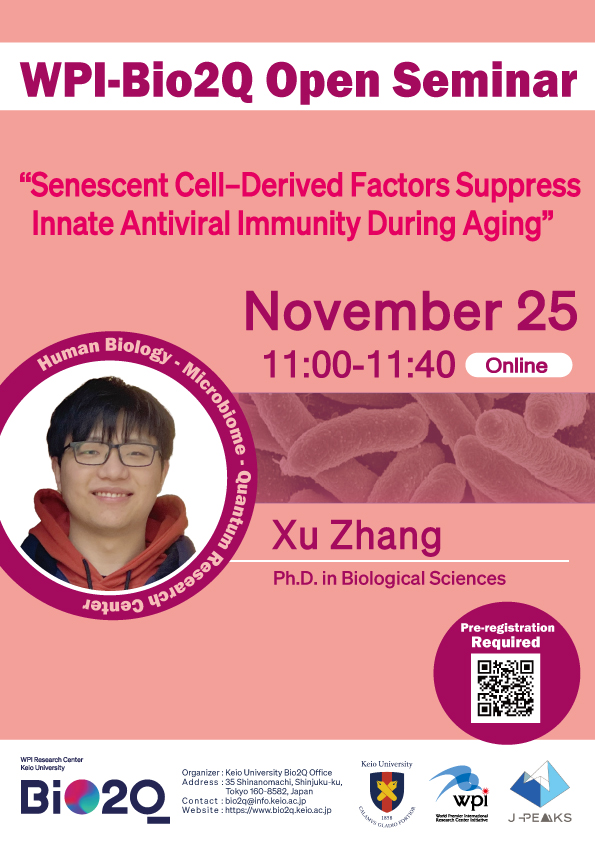
【Nov. 25 Seminar】 WPI-Bio2Q Open Seminar: Xu Zhang, PhD(for Keio Members)
Keio University Human Biology-Microbiome-Quantum Research Center (WPI-Bio2Q) will hold a seminar as follows. This event is only for faculty, students, and staff of Keio University. Date and Time Wednesday, November 25, 2026, 11:00-11:40 Format Zoom (Online only) Title Senescent Cell–Derived Factors Suppress Innate Antiviral Immunity During Aging Speaker Xu Zha...
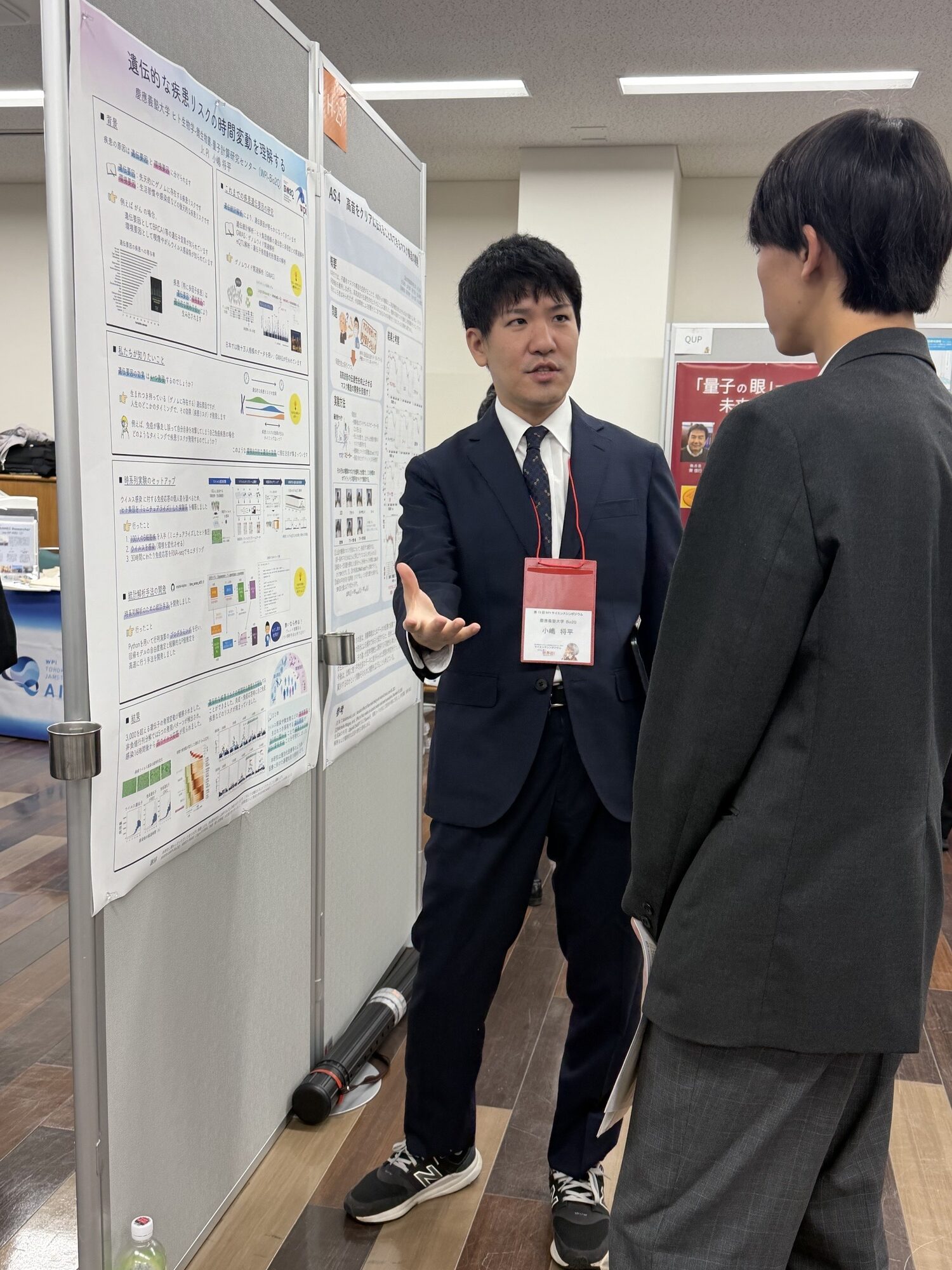
【Event Report】Bio2Q Participates in the 15th WPI Science Symposium, Engaging wit...
On Saturday, November 14, 2026, the 15th WPI Science Symposium, themed “World Premieres Born from Me! ~Science I Want to Share with Someone~,” was held at the Osaka University Convention Center in Suita, Osaka, hosted by the Osaka University Premium Research Institute for Human Metaverse Medicine (WPI-PRIMe). The event featured a special lecture by Prof. Shimon Sakaguchi (Distinguished University ...

WPI-Bio2Q now recruiting administrative staff– Deadline: January 11, 2027
WPI-Bio2Q Administrative Office is currently hiring administrative staff. We look forward to receiving applications from candidates with English proficiency who can support international researchers and anticipate to work at Bio2Q Administrative Office. Application Deadline: January 11, 2027 For more details, please refer to the application information at the link below, Application Info...
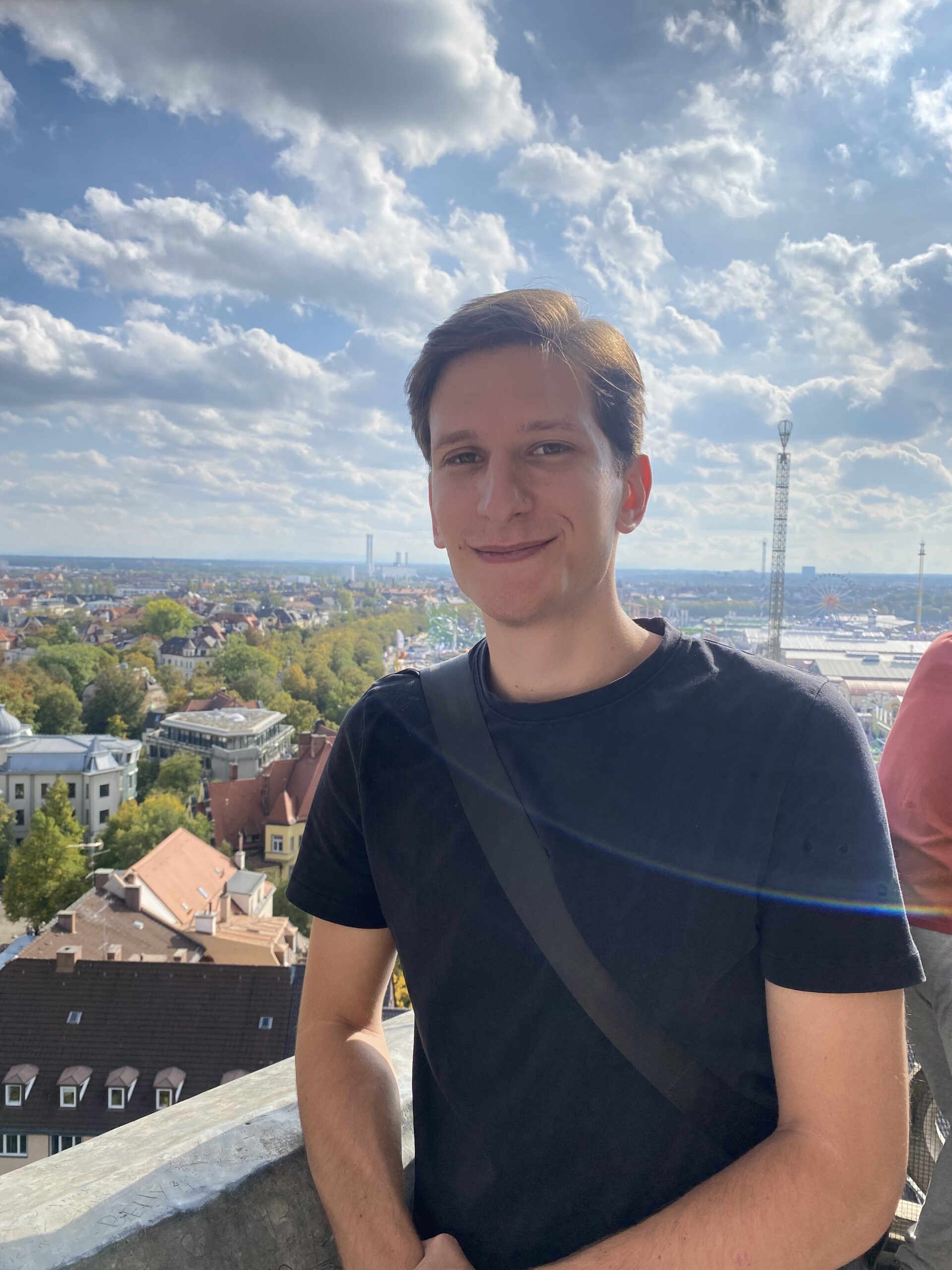
New Long-Term Internship Student-Mr. Kevin Deesy
Introducing a new Long-Term Internship Student of Bio2Q We are delighted to welcome Mr. Kevin Deesy as a new Long-Term Research Internship Student of Bio2Q. "Hello Bio2Q team, My name is Kevin Deesy, and I’m currently completing my Master’s in Sustainable Food at the Technical University of Munich (TUM), specializing in molecular biotechnology and microbiology. My research so far has take...
New Member - Dr. Augustinas Silale
Introducing new member of Bio2Q We are excited to welcome Dr. Augustinas Silale as a Jr. PI at Bio-2 Core of Bio2Q. "Hello, Bio2Q community! My name is Augustinas (August) Silale. I am from Lithuania. I am delighted to join Bio2Q as a Jr. PI. I read Natural Sciences at the University of Cambridge. My BA project was on fragment-based drug discovery in Prof Sir Tom Blundell’s group, where ...
