





EVENT
[Open Seminar] Tsutomu Suzuki, Ph.D.
September 11, 2024
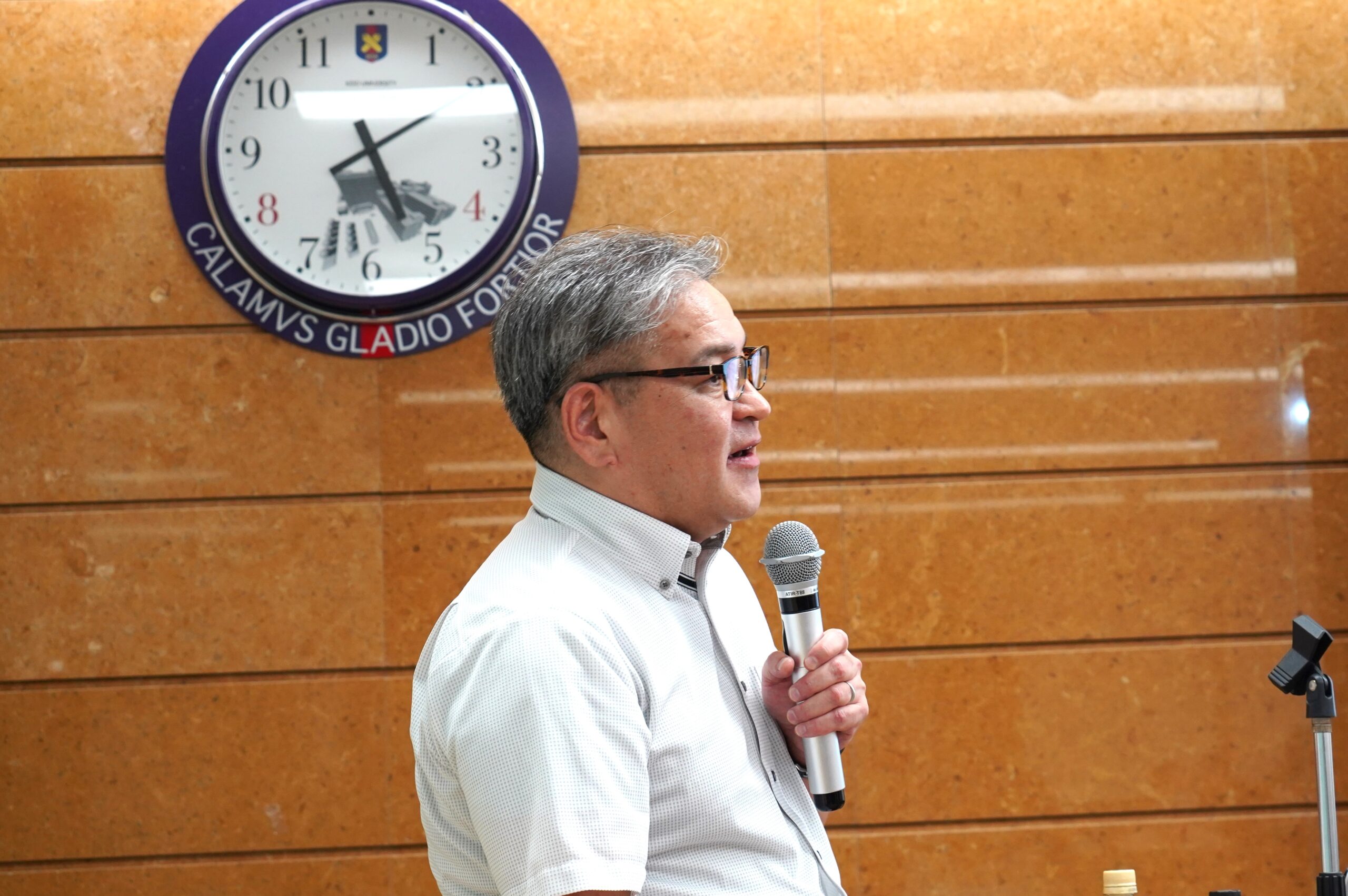
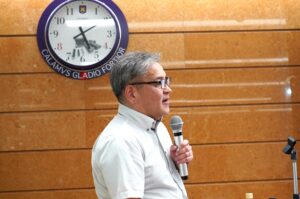
Tsutomu Suzuki, Ph.D.
Credits: WPI-Bio2Q
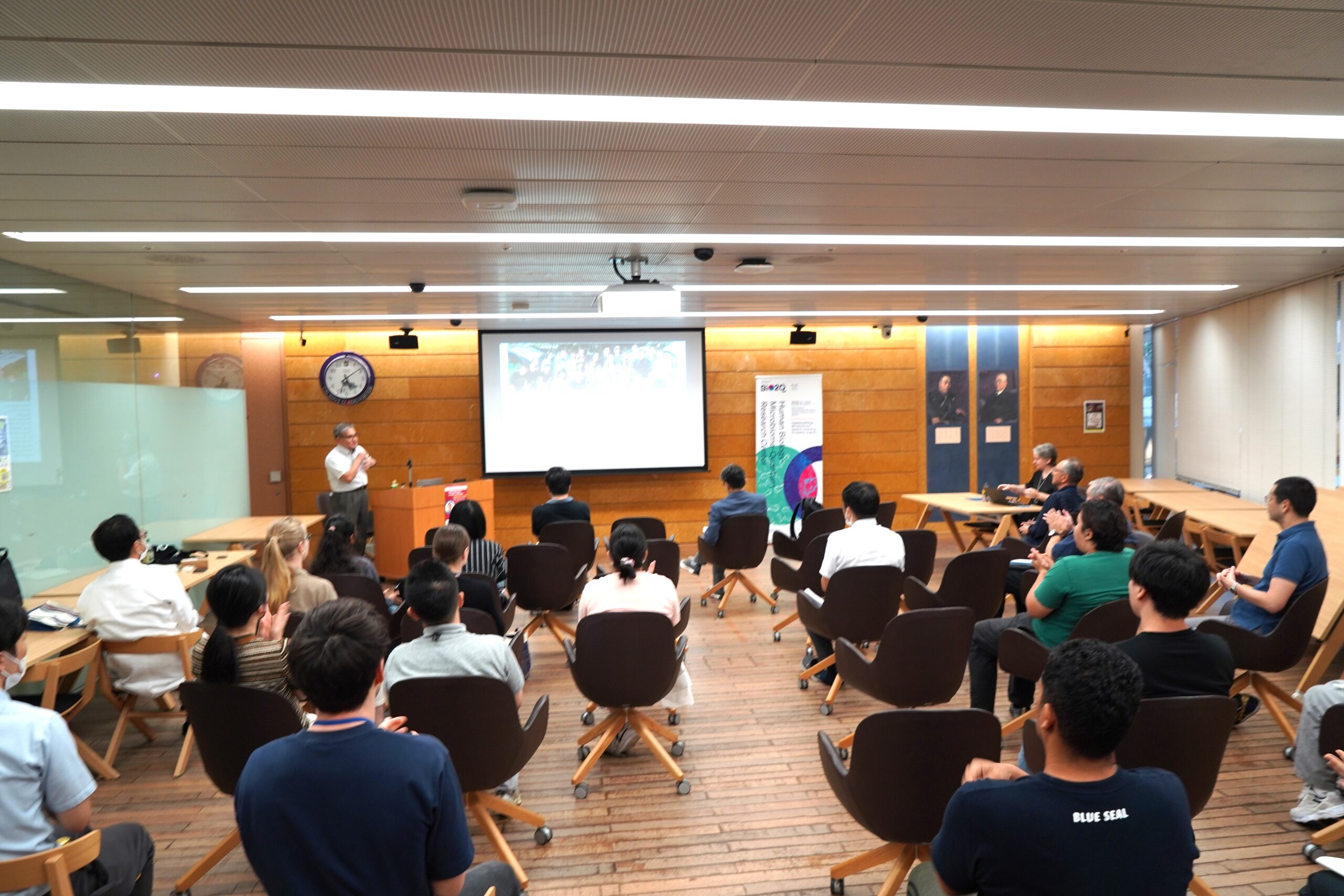
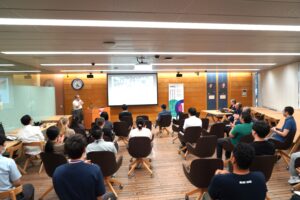
At the seminar
Credits: WPI-Bio2Q
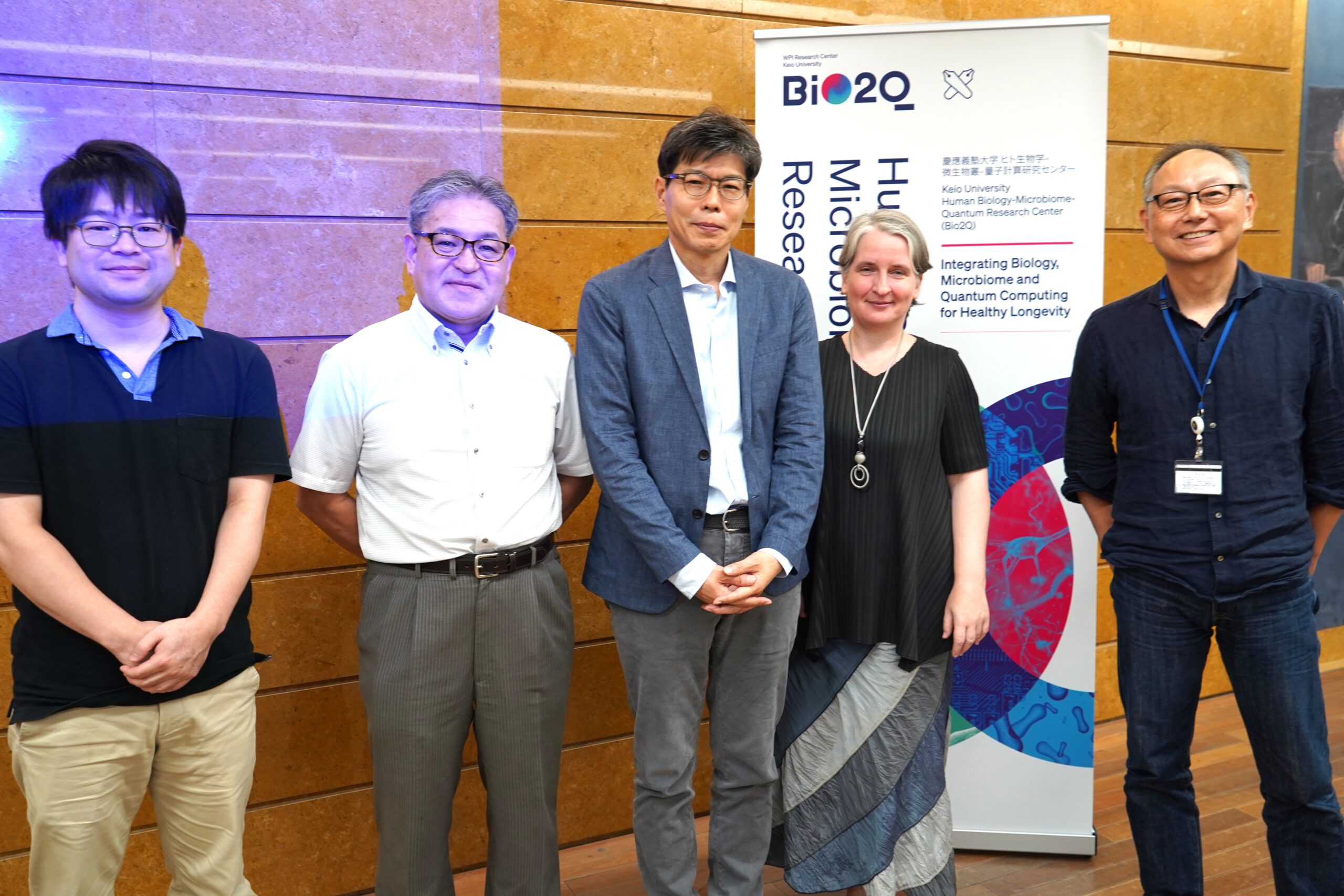
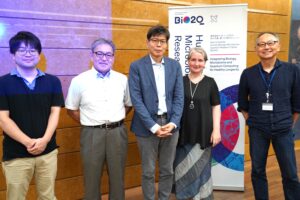
Credits: WPI-Bio2Q
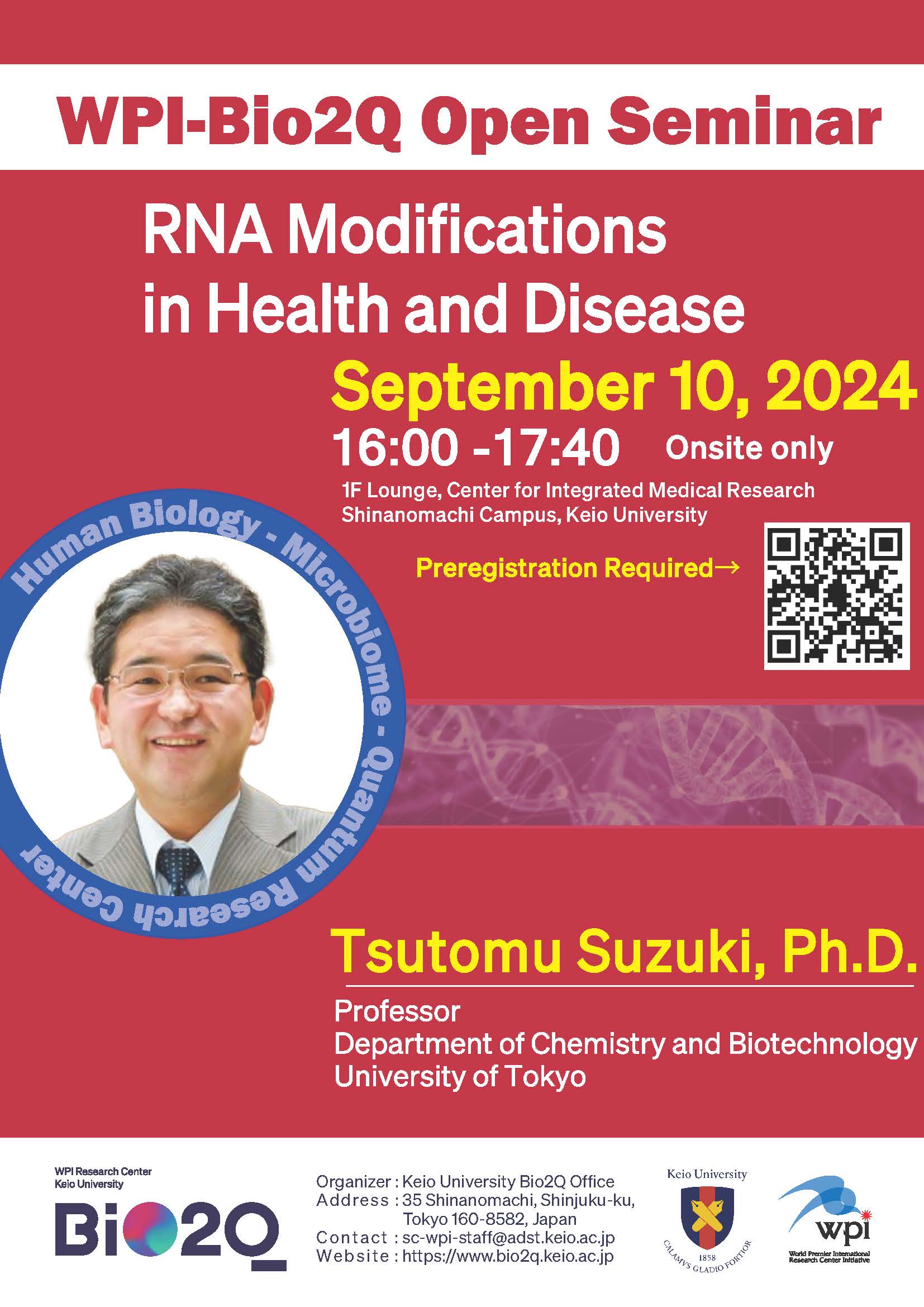
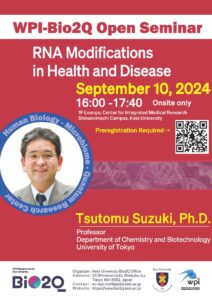
Poster
Credits: WPI-Bio2Q
Keio University Human Biology-Microbiome-Quantum Research Center (WPI-Bio2Q) held an open seminar as follows:
| Date & Time | Tuesday, September 10, 2024, 16:00 -17:30 |
|---|---|
| Venue | 1F Lounge, Center for Integrated Medical Research, Shinanomachi Campus, Keio University (Onsite only) |
| Title | RNA Modifications in Health and Disease |
| Speaker | Tsutomu Suzuki, Ph.D. Professor, Department of Chemistry and Biotechnology, University of Tokyo |
| Language | English |
Abstract
RNA molecules frequently undergo post-transcriptional modifications, which are essential for their proper function. To date, about 150 different types of chemical modifications have been identified in various RNA molecules across all domains of life. There are still a number of novel modifications to be discovered. RNA modifications appear to confer chemical diversities to simple RNA molecules basically composed of four letters, to acquire a greater variety of biological functions. These modifications play critical roles in stability and functions of RNA molecules. The physiological importance of RNA modification has been demonstrated by human diseases caused by aberrant RNA modification. We reported a severe reduction in the frequency of tRNA modifications in mitochondrial disease patients, like MELAS and MERRF. These findings provided the first evidence of RNA modification disorder. We have termed “RNA modopathy” as a new category of human diseases.
Queuosine (Q), a tRNA modification characterized by a 7-deazaguanosine with a bulky side chain, is widely present in both bacteria and eukaryotes. Unique to this modification, the free base of Q, known as queuine, is incorporated through a base replacement reaction, converting guanine (G) to Q. Eukaryotes, including humans, cannot synthesize queuine and must obtain it as a dietary nutrient from gut microbiota or dietary sources. In humans and other vertebrates, Q can be further modified by glycosylation, forming either galactosyl-queuosine (galQ) or mannosyl-queuosine (manQ). The function of these glycosylated Q modifications remained unclear for nearly half a century after their discovery. Recently, we identified two glycosyltransferases responsible for the formation of galQ and manQ and elucidated the biosynthesis, functional roles in protein synthesis, and physiological significance of these glycosylated Q tRNA modifications.
SHARE




More Bio2Q News
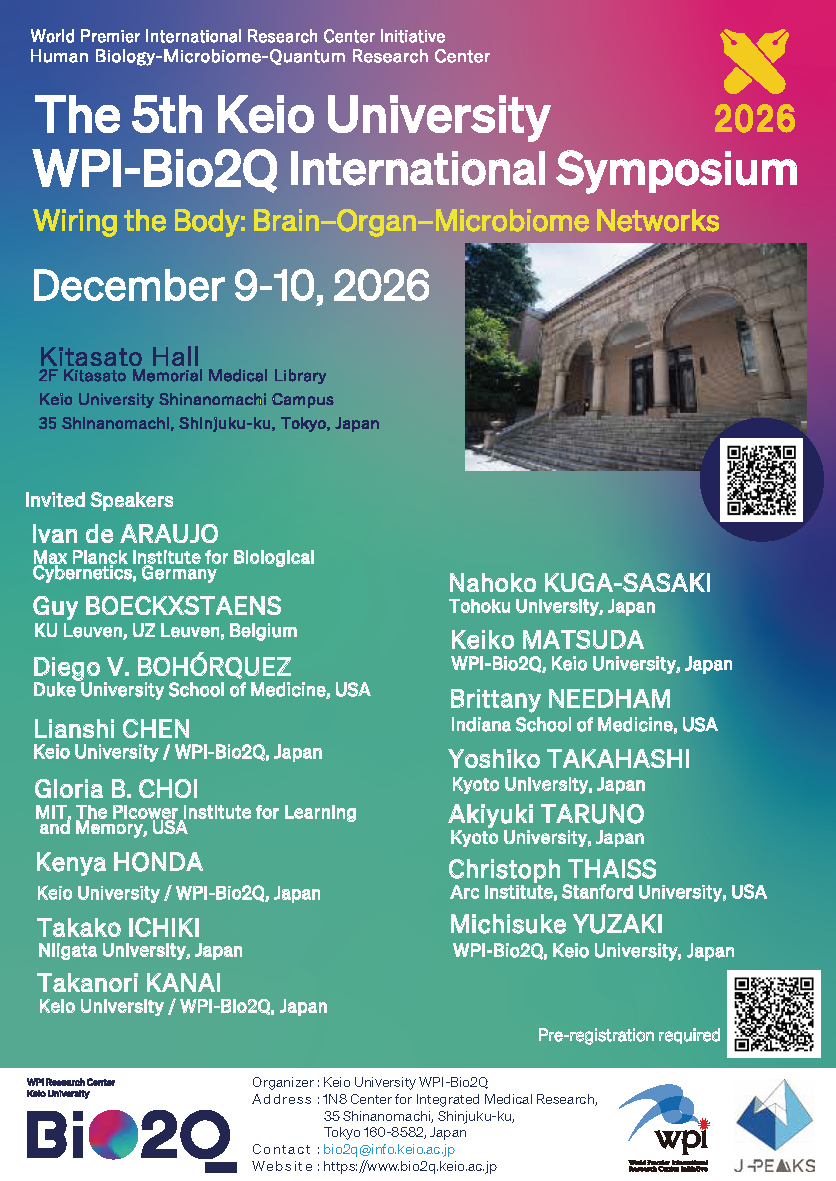
Call for Abstracts: The 5th Keio University WPI-Bio2Q International Symposium Po...
We are pleased to announce the call for poster abstracts for the 5th Keio University WPI-Bio2Q International Symposium, to be held on Wednes...
【Seminar Report】WPI-Bio2Q Open Seminar: Nicolas Manel, PhD
Keio University Human Biology-Microbiome-Quantum Research Center (WPI-Bio2Q) held a seminar as follows. Date:17:00 -18:00, September 14, ...
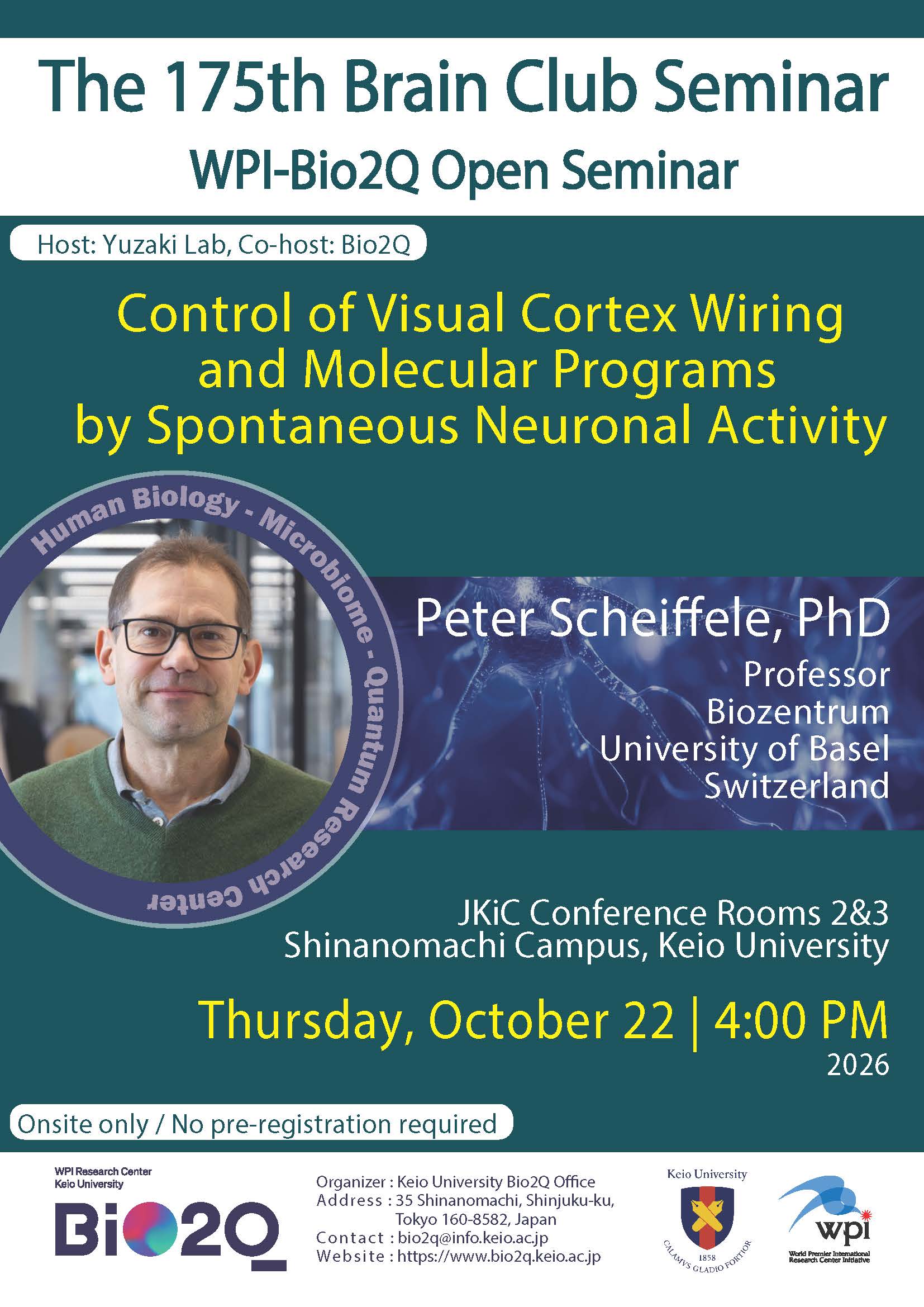
【10/22 Seminar】The 175th Brain Club Seminar (WPI-Bio2Q Open Seminar)
Keio University Human Biology-Microbiome-Quantum Research Center (WPI-Bio2Q) will hold a seminar as follows. This is an event for faculty, ...

【9/16 Seminar】 WPI-Bio2Q Open Seminar: Yue Yin(for Keio Members)
Keio University Human Biology-Microbiome-Quantum Research Center (WPI-Bio2Q) will hold a seminar as follows. This event is only for faculty...
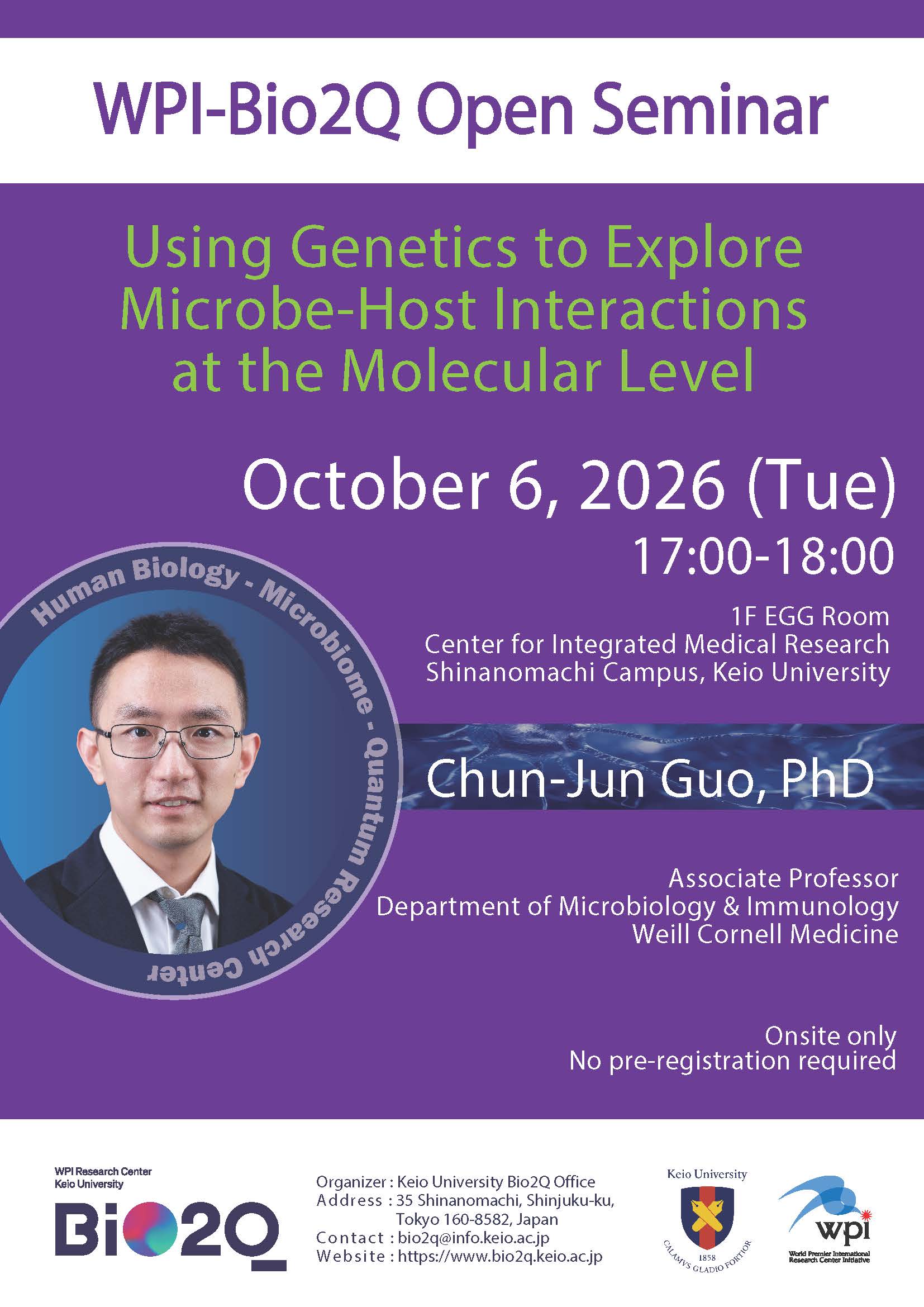
【10/6 Seminar】Bio2Q Open Seminar: Chun-Jun Guo, PhD
Keio University Human Biology-Microbiome-Quantum Research Center (WPI-Bio2Q) will hold a seminar as follows. This is an event for faculty, ...
